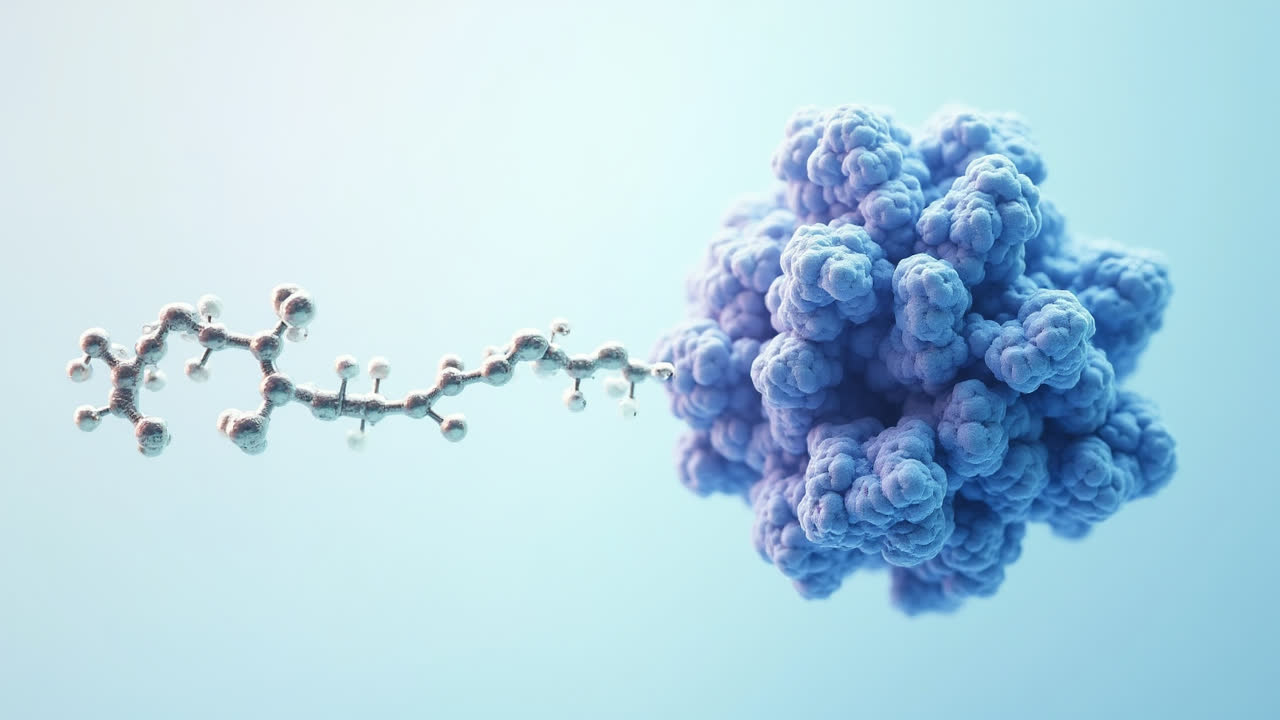
What Really Happens During a Heart Attack: Complete Guide
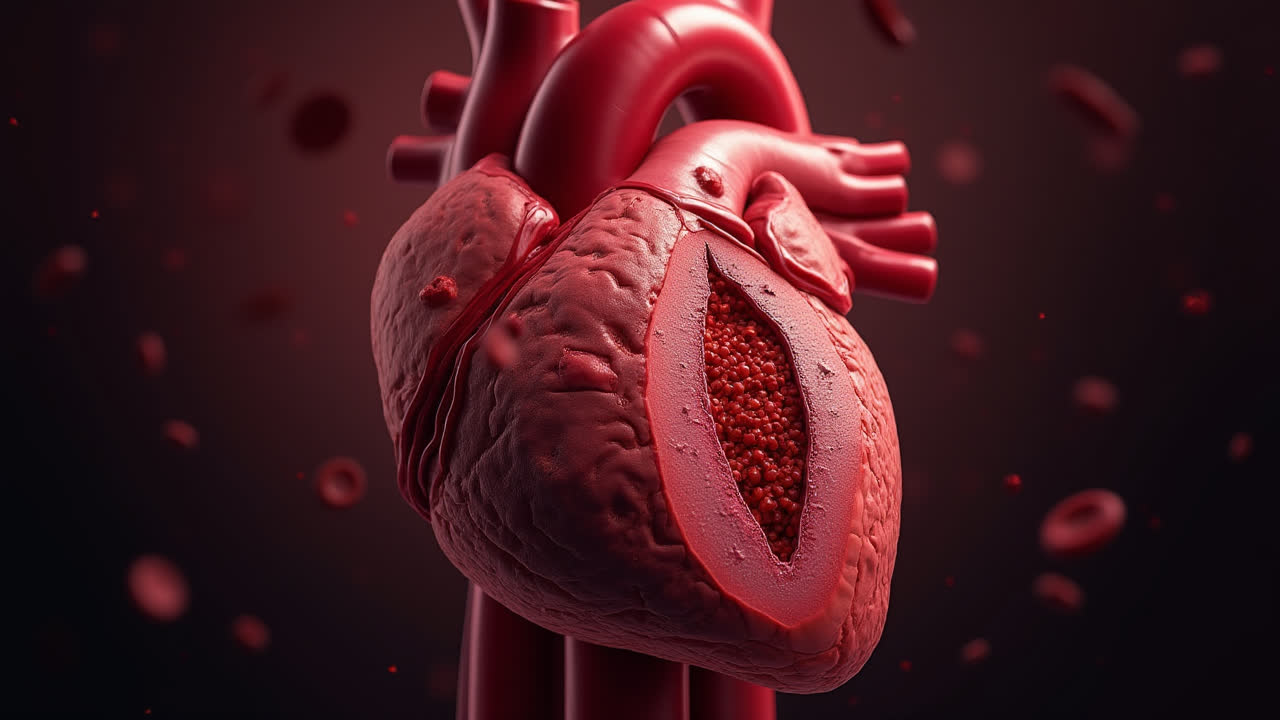
What Really Happens During a Heart Attack: A Complete Guide
Have you ever wondered what exactly happens inside your body during a heart attack? Let me walk you through this terrifying yet fascinating medical emergency that affects thousands of people every day. As someone who has witnessed family members go through this experience, I can tell you that understanding the process can be both empowering and life-saving.
When we talk about a heart attack, we're essentially describing a scenario where your heart's oxygen supply is suddenly cut off. It's like trying to run a car without fuel – eventually, the engine seizes up. Your heart needs a constant flow of oxygen-rich blood to keep pumping, and when that flow gets blocked, trouble starts brewing fast.
The Silent Build-Up: How Plaques Develop
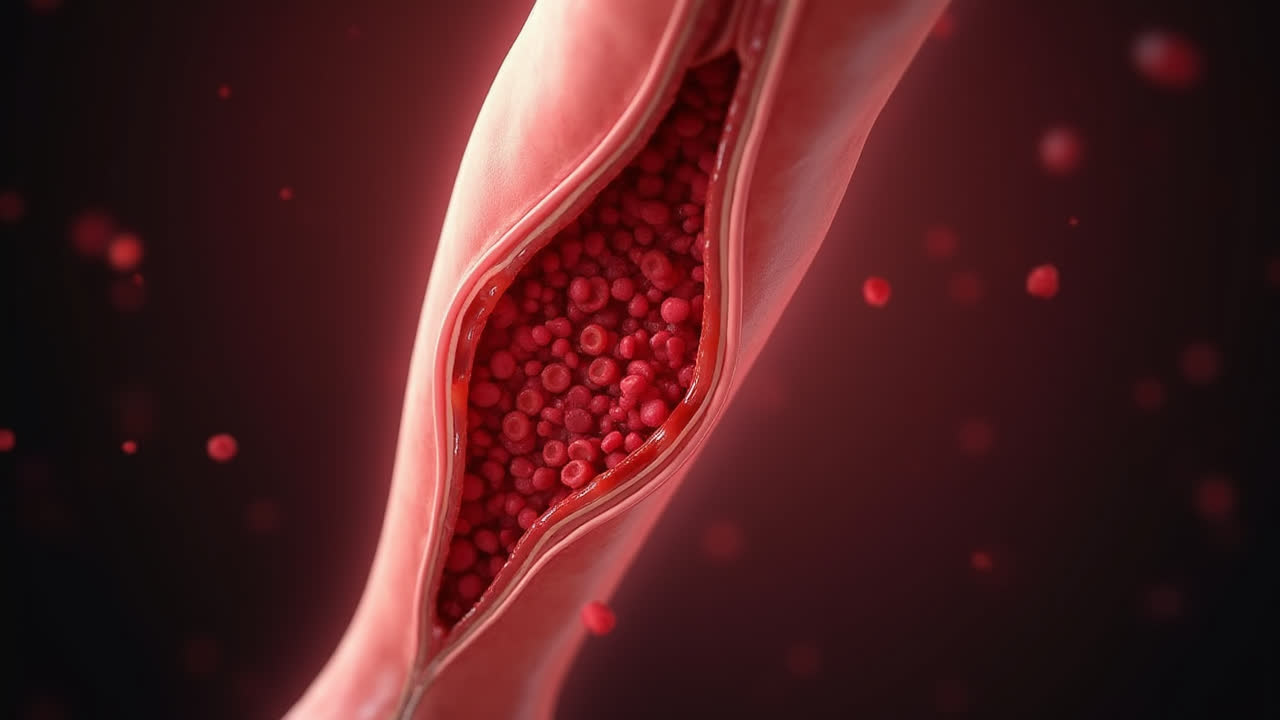
You know what's really scary? Most heart attacks don't just happen out of the blue. They're often the result of years, sometimes decades, of plaque buildup in your coronary arteries. I like to think of it as a water pipe getting clogged with mineral deposits over time.
These plaques are a nasty cocktail of cholesterol, fatty substances, calcium, and other cellular debris. They stick to the inner walls of your blood vessels like gunk in an old pipe. For the longest time, you might not even know they're there. That's because your body is pretty clever – other arteries often step up to compensate, almost like detour routes when a highway is under construction.
The Moment Everything Goes Wrong
But here's where things get dramatic. Sometimes these plaques, which have a fibrous cap covering them, can suddenly rupture. Think of it like a pimple popping – except in this case, it's happening inside your arteries. When this happens, all that fatty gunk gets exposed.
Your body, in its wisdom, immediately sends platelets rushing to the scene to patch things up. Unfortunately, this creates an even bigger problem. These platelets clump together, forming a blood clot that can completely block the artery. It's like calling in reinforcements that accidentally make the problem worse.
When Your Heart Cries for Help: Recognizing Symptoms
As your heart starts running out of oxygen, your body goes into panic mode. You might experience:
- Severe chest pain that feels like a heavy weight or vice grip
- Profuse sweating – think nervous breakdown levels
- Weakness and dizziness that make you feel like a wet noodle
- Pain that travels to your shoulders, arms, jaw, or neck
- Increased heart rate as your body desperately tries to pump more blood
People often describe the chest pain as crushing or squeezing. It's not your typical ache – this is the kind of pain that makes you stop whatever you're doing and pay attention immediately.
The Race Against Time
Here's the brutal truth: when heart muscle cells don't get oxygen, they start dying. And unfortunately, they don't come back to life like plants after rain. Every minute counts because once these cells are gone, they're gone forever.
If treatment doesn't come fast enough, large sections of your heart muscle can die. This weakens your heart's overall function and can lead to serious complications. In severe cases, the heart can stop beating altogether, cutting off blood flow to your brain. Without oxygen, brain cells start dying within 3-5 minutes. It's terrifying, isn't it?
Heart Attack vs. Cardiac Arrest: Understanding the Difference
| Aspect | Heart Attack | Cardiac Arrest |
|---|---|---|
| Definition | Blockage in blood flow to heart muscle | Sudden loss of heart function |
| Cause | Blocked coronary artery | Electrical malfunction in heart |
| Consciousness | Usually remains conscious | Immediate loss of consciousness |
| Breathing | Can still breathe normally | Stops breathing within seconds |
| Heart rhythm | Heart continues beating | Heart stops pumping effectively |
| Time sensitivity | Minutes to hours matter | Seconds matter critically |
| Survival without help | Possible, though risky | Death within minutes without CPR |
The Aftermath: Living with a Damaged Heart
Even if you receive prompt treatment and survive a heart attack, your heart will never be quite the same. It's like having a car that's been in an accident – it might run again, but there's always some lasting damage.
The dead muscle tissue gets replaced by scar tissue, which doesn't contract like healthy heart muscle. This means your heart has to work harder to pump the same amount of blood. Doctors often compare it to having fewer workers in a factory – the remaining workers have to pick up the slack.
Why Modern Lifestyles Increase Risk
Here's something that really gets me thinking: our modern lifestyle is basically a recipe for heart attacks. We sit more than our ancestors ever did, eat foods they wouldn't recognize, and stress about things they couldn't even imagine.
Risk factors like obesity, high cholesterol, diabetes, and smoking don't just exist in isolation. They're like a perfect storm when they come together. And the scary part? Some people have no idea they're walking around with time bombs in their chests until it's too late.
Prevention: Your Best Defense
The good news – and trust me, we all need some good news after this – is that many heart attacks are preventable. Small changes can make a huge difference:
- Regular exercise doesn't have to mean running marathons
- A Mediterranean-style diet can be surprisingly delicious
- Managing stress through meditation or simple breathing exercises
- Regular checkups to catch problems early
- Knowing your family history and taking it seriously
Future Directions in Heart Attack Treatment
Medical science is making incredible strides in treating heart attacks. From new clot-busting drugs to minimally invasive procedures, doctors are getting better at saving lives and preserving heart function. Some researchers are even exploring ways to regenerate heart muscle, which would be a game-changer.
But the best treatment? Prevention. Because no matter how advanced our medical technology becomes, a heart attack is still a life-altering event that's better avoided than treated.
Frequently Asked Questions
How long does a heart attack last?
A heart attack can last anywhere from a few minutes to several hours. The pain might come in waves, sometimes lasting up to 20 minutes per episode. However, the damage to heart muscle continues until blood flow is restored, which is why immediate medical attention is crucial.
Can you have a heart attack without chest pain?
Yes, some people, especially women, elderly individuals, and diabetics, may experience "silent" heart attacks. Symptoms might include jaw pain, back pain, nausea, extreme fatigue, or shortness of breath instead of the classic chest pain.
Is heart attack damage permanent?
Unfortunately, yes. Once heart muscle cells die from lack of oxygen, they cannot regenerate. The damaged tissue is replaced by scar tissue. However, with proper treatment and lifestyle changes, many people can lead full, active lives even after suffering heart damage.
Final Thoughts: Knowledge is Power
Understanding what happens during a heart attack isn't meant to scare you – though I'll admit, the details can be pretty frightening. It's about empowering you with knowledge that could save your life or someone else's.
Your heart is an amazing organ that beats over 100,000 times every day. It deserves your attention and care. Whether you've experienced a heart attack yourself, known someone who has, or simply want to prevent one, remember that small actions today can prevent big problems tomorrow. Stay heart-healthy, stay informed, and most importantly, don't ignore the warning signs your body gives you.