Deep Vein Thrombosis: Causes, Symptoms, Prevention and Treatment
Understanding Deep Vein Thrombosis: The Silent Threat
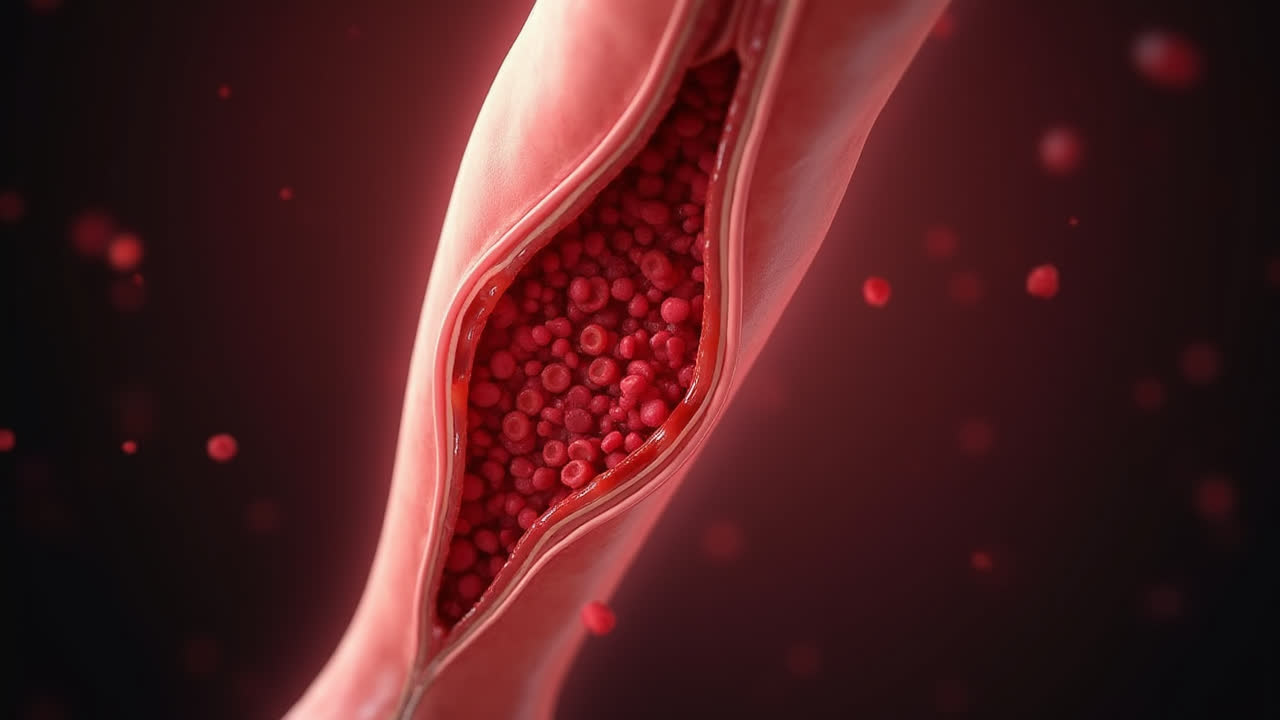
Deep vein thrombosis (DVT) is a medical condition characterized by the formation of blood clots in the deep veins of your body. While these clots can develop in various parts of your body, they most commonly occur in the deep veins of your lower limbs. What makes DVT particularly concerning is its tendency to show few or no early warning signs, earning it the reputation of a "silent threat."
I've seen many patients who were completely unaware they had DVT until serious complications arose. The statistics are sobering: more than 100,000 people are affected by DVT annually, with individuals over 40 years of age facing a higher risk. When left untreated, these blood clots can break loose from their original site, travel through your bloodstream, and create potentially life-threatening blockages in other organs.
Think of your veins as highways for blood circulation. When a blood clot forms, it's like a major traffic jam that prevents normal blood flow. This blockage not only affects the area around the clot but can have ripple effects throughout your circulatory system. DVT isn't just about the initial clot formation—it's about the potential cascade of health problems that can follow.
The insidious nature of DVT makes understanding its causes, symptoms, and prevention methods absolutely crucial. Being informed about this condition could quite literally save your life or the life of someone you love. In the following sections, we'll delve deeper into recognizing warning signs and understanding the various factors that contribute to this condition.
Recognizing the Warning Signs: DVT Symptoms
Identifying DVT early can be challenging since many people experience minimal or no symptoms. However, recognizing the warning signs when they do appear is crucial for timely medical intervention. Symptoms can manifest either due to the condition itself or as complications of the disease.
When DVT occurs in your leg, which is the most common site, you might experience several noticeable symptoms. These include cramping or heavy pain that affects either both legs or just the affected leg. The area might feel tender to touch, particularly along the path of the vein. You might also notice warmth, swelling, and enlargement of the leg, sometimes with visibly prominent blood vessels beneath the skin. I once had a patient who initially dismissed her leg swelling as simply being tired from standing all day—a dangerous misconception that nearly led to serious complications.
In more severe cases, DVT can lead to a serious complication called pulmonary embolism (PE), which occurs when a blood clot breaks free and travels to the lungs. This is a medical emergency with distinctive symptoms. You might experience continuous or periodic chest pain that worsens when breathing or coughing. Your heartbeat might become irregular (cardiac arrhythmias), and you might feel dizzy or faint. Some patients report noticeable skin color changes or cough up blood—immediate signs that medical attention is urgently needed.
It's worth emphasizing that symptoms can vary significantly from person to person. Some individuals might experience all the classic signs, while others might have just one or two subtle indicators. Never dismiss persistent leg pain, swelling, or warmth, especially if you have risk factors for DVT. When in doubt, consult with a healthcare professional—it's always better to be cautious than to ignore potential warning signs of this serious condition.
What Causes Deep Vein Thrombosis: Comprehensive Risk Factors
Understanding what causes blood clots to form in deep veins is essential for prevention and early intervention. DVT develops due to a complex interplay of various factors that affect blood flow, vessel wall integrity, and clotting tendencies. Let's explore the primary causes and risk factors in detail.
Physical activity paradoxically presents both protective effects and potential risks. Athletes who engage in endurance events like marathons are, surprisingly, at increased risk of developing DVT. This occurs because long-distance running depletes energy reserves while causing dehydration, creating ideal conditions for blood clot formation. On the flip side, prolonged immobility represents another significant risk factor. Whether due to long-haul flights, extended bed rest after surgery, or limited mobility during recovery, reduced movement slows blood circulation and increases clotting risk. Your blood essentially pools in the veins, particularly in the lower limbs, making clot formation more likely.
Medical history plays a crucial role in determining DVT risk. Individuals with a previous history of DVT, pulmonary embolism, or other types of blood clots face significantly higher chances of recurrence. Major surgeries, particularly those involving the legs, abdomen, or hip, can damage veins and trigger the clotting mechanism. I've worked with numerous patients whose DVT developed following orthopedic procedures—a reminder of how important preventive measures are in these situations.
Nutritional and metabolic factors contribute substantially to DVT risk. Research has linked vitamin D deficiency to increased clot formation, with people living in cooler climates or those with inadequate dietary intake facing higher risks. Obesity places additional pressure on veins, particularly in the lower extremities, impeding normal blood flow and creating conditions favorable for clot development. For overweight women taking oral contraceptives, this risk is compounded, essentially doubling their chances of developing DVT.
Hormonal influences represent another significant category of risk factors. Women with elevated estrogen levels—whether due to pregnancy, menopause, hormone replacement therapy, or oral contraceptives—face heightened DVT risk. Similarly, men with high testosterone levels may also experience increased clotting tendencies. Pregnancy introduces multiple risk factors: the additional weight carried, hormonal changes, and altered blood flow patterns all contribute to elevated DVT risk. This risk is further amplified in mothers who are older or overweight.
Certain health conditions predispose individuals to DVT development. Cancer patients face increased clotting risks due to tumor growth causing tissue damage and releasing chemicals that trigger the clotting cascade. Liver cancer and leukemia are particularly associated with elevated blood clot formation. Bowel diseases, which often cause chronic dehydration, similarly increase DVT risk. Even premature birth has been linked to higher DVT incidence, though researchers haven't yet fully elucidated the mechanisms behind this association.
Lifestyle choices significantly impact DVT risk profiles. Smoking introduces harmful chemicals into the bloodstream that damage blood vessels and increase clotting tendencies, affecting both heart and lung function. Family history also plays a role, suggesting genetic factors influence individual susceptibility to DVT development. While I've covered many major risk factors, it's important to note that DVT can sometimes develop in individuals with no apparent risk factors—a reminder that vigilance regarding symptoms remains important for everyone.
Comparison: DVT Risk Factors vs. Preventive Measures
| Risk Factor | How It Increases Risk | Preventive Measure | Effectiveness |
|---|---|---|---|
| Prolonged Immobility | Slows blood circulation, allowing clots to form | Regular movement, leg exercises during travel | High |
| Surgery (especially leg, hip, abdomen) | Damages veins, triggers clotting mechanisms | Early mobilization, compression stockings, anticoagulants | Very High |
| Obesity | Increases pressure on veins, impairs circulation | Weight management, regular exercise | Moderate |
| Hormonal Contraceptives | Increases estrogen levels, enhances clotting factors | Alternative birth control methods, low-estrogen options | Moderate |
| Smoking | Damages blood vessels, increases clot formation | Smoking cessation | High |
| Vitamin D Deficiency | Alters clotting mechanisms | Vitamin D supplementation, sun exposure | Low to Moderate |
| Previous DVT History | Indicates predisposition to clotting | Long-term anticoagulation therapy, regular monitoring | Very High |
| Dehydration | Increases blood viscosity, slows circulation | Adequate fluid intake, especially during activity | Moderate |
Diagnosing Deep Vein Thrombosis: Advanced Detection Methods
Accurately diagnosing DVT is crucial for implementing appropriate treatment and preventing serious complications. Healthcare providers employ various diagnostic tools and techniques to confirm the presence of blood clots in deep veins. These methods range from blood tests to imaging studies, each with specific advantages and limitations.
The D-dimer test represents a valuable initial screening tool. This blood test detects fragments of blood clots circulating in your bloodstream. Elevated D-dimer levels suggest active clot formation or breakdown somewhere in your body. While a negative D-dimer test can effectively rule out DVT in many cases, a positive result isn't conclusive proof since other conditions can also elevate these levels. I've seen many cases where the D-dimer test served as an important first step, prompting further investigation that ultimately confirmed DVT diagnoses.
Doppler ultrasound scanning has revolutionized DVT diagnosis by providing a non-invasive, highly effective way to visualize blood flow in veins. This technique uses sound waves to assess circulation speed, readily identifying areas where blood flow has slowed or stopped due to clot obstruction. The procedure is painless and carries no radiation risk, making it the preferred initial imaging method for suspected DVT. Ultrasound technology has become increasingly sophisticated, allowing healthcare providers to detect even small clots that might otherwise go unnoticed.
In cases where ultrasound results are inconclusive or when more detailed imaging is needed, venography might be employed. This procedure involves injecting a contrast dye into a foot vein, which then travels up through the deep vein system. If a clot is present, the dye's path becomes obstructed—a phenomenon clearly visible on X-ray imaging. While venography was once considered the gold standard for DVT diagnosis, it's now typically reserved for complex cases due to its invasive nature and the availability of excellent non-invasive alternatives.
Diagnostic approaches continue to evolve, with magnetic resonance imaging (MRI) and computed tomography (CT) venography offering additional options for complex cases or situations where conventional methods are contraindicated. The choice of diagnostic tool depends on various factors, including the patient's condition, suspected location of the clot, and available medical resources. Whatever the method, early and accurate diagnosis remains the cornerstone of effective DVT management.
Prevention and Treatment: Comprehensive Management Strategies
Managing DVT effectively requires a multi-faceted approach that combines medical interventions with lifestyle modifications. Whether you're looking to prevent initial clot formation or manage an existing condition, understanding these strategies is essential for optimal outcomes.
Anticoagulant medications form the cornerstone of DVT treatment. These "blood thinners" don't actually thin your blood but instead reduce its ability to clot. Heparin, typically administered by injection, provides immediate anticoagulant effects and is often used in acute situations. Warfarin, taken orally, offers longer-term anticoagulation but requires regular monitoring of blood clotting parameters. Newer direct oral anticoagulants (DOACs) like rivaroxaban, apixaban, and dabigatran have revolutionized treatment by offering effective anticoagulation with fewer monitoring requirements and dietary restrictions. I've seen firsthand how these medications have transformed DVT management, allowing patients to maintain active lifestyles while effectively preventing clot progression and recurrence.
Compression stockings represent a simple yet highly effective intervention for both prevention and treatment. These specialized garments apply controlled pressure to your legs, promoting better blood flow and reducing swelling. For individuals with DVT, compression therapy helps prevent post-thrombotic syndrome—a chronic condition characterized by persistent pain, swelling, and skin changes. For those at risk, compression stockings can significantly reduce the likelihood of initial clot formation, particularly during periods of immobility.
Lifestyle modifications play a crucial role in comprehensive DVT management. Quitting smoking eliminates a major risk factor by improving blood vessel health and reducing clotting tendencies. Similarly, moderating alcohol consumption supports overall cardiovascular health. Maintaining a healthy weight reduces pressure on veins, particularly in the lower extremities, facilitating proper blood flow. Regular exercise—especially activities that engage the calf muscles like walking—promotes circulation and helps prevent blood stagnation.
For individuals undergoing surgery or experiencing prolonged immobility, prophylactic measures become particularly important. These might include preventive doses of anticoagulants, early mobilization following procedures, and mechanical compression devices during extended bed rest. In high-risk situations, healthcare providers might insert a temporary filter into the inferior vena cava (the large vein carrying blood from the lower body to the heart) to catch any clots that break loose before they can reach the lungs.
Nutritional strategies complement medical interventions in DVT management. Ensuring adequate vitamin D intake—whether through diet, supplements, or sun exposure—addresses a potential risk factor. Staying properly hydrated helps maintain appropriate blood viscosity, reducing clotting risk. Some evidence suggests that foods rich in natural anticoagulants (like garlic, ginger, and omega-3 fatty acids) might provide additional benefits, though these should complement rather than replace prescribed medications.
The management approach must be individualized based on each person's specific risk factors, overall health status, and personal circumstances. What works optimally for one individual might require modification for another. Regular communication with healthcare providers ensures that prevention and treatment strategies remain appropriate as circumstances evolve.
Frequently Asked Questions About Deep Vein Thrombosis
How long does it take to recover from DVT?
Recovery from DVT varies significantly depending on the severity of the clot, your overall health, and how quickly treatment begins. Most people start feeling symptom relief within days of starting anticoagulant therapy. Complete dissolution of the clot typically takes 3-6 months, though larger clots may take longer. Even after the clot dissolves, you may need to continue anticoagulant therapy for several months or longer to prevent recurrence. Some individuals experience post-thrombotic syndrome with long-term symptoms despite successful treatment of the initial clot. Regular follow-up with your healthcare provider is essential throughout the recovery process.
Can you fly if you have DVT or a history of DVT?
If you have an active DVT, most medical professionals recommend avoiding air travel until the acute phase has passed and your treatment is stabilized—typically for at least 2-4 weeks. For individuals with a history of DVT who are no longer in the acute phase, flying is generally considered safe with proper precautions. These include wearing properly fitted compression stockings, staying well-hydrated, avoiding alcohol during the flight, performing regular leg exercises, and walking around the cabin when permitted. If you have a history of DVT, consult with your healthcare provider before planning air travel. They may recommend adjusting your anticoagulant regimen or taking additional preventive measures based on your specific risk profile and the flight duration.
What exercises are safe and beneficial for someone with DVT?
During the acute phase of DVT, vigorous exercise is typically discouraged to prevent the risk of dislodging the clot. However, gentle movement is important for recovery. Safe exercises during this phase include ankle pumps, ankle circles, and gentle walking as recommended by your healthcare provider. As you recover, gradually increasing walking duration and intensity provides excellent circulation benefits. Swimming is often recommended once initial treatment is established, as it provides cardiovascular benefits without placing stress on the affected limb. Stationary cycling can also be appropriate as recovery progresses. Always consult with your healthcare provider before beginning or modifying an exercise program with DVT, as recommendations vary based on clot location, treatment status, and individual risk factors. Avoid activities involving straining, heavy lifting, or high-impact movements until cleared by your physician.
Conclusion: Taking Control of Your Vascular Health
Deep vein thrombosis represents a significant health concern that affects hundreds of thousands of people annually. By understanding the risk factors, recognizing symptoms early, and implementing appropriate preventive measures, you can substantially reduce your risk of developing this potentially dangerous condition.
Remember that DVT doesn't discriminate—it can affect individuals of all ages and backgrounds, though certain factors increase vulnerability. Being proactive about your vascular health means staying informed, maintaining open communication with healthcare providers, and making lifestyle choices that support optimal circulation.
If you experience symptoms suggestive of DVT—particularly leg pain, swelling, warmth, or tenderness—seek medical attention promptly. Early intervention significantly improves outcomes and reduces the risk of serious complications like pulmonary embolism. With proper management, most individuals with DVT recover successfully and can maintain active, healthy lifestyles.
Take charge of your vascular wellness today by implementing the prevention strategies discussed throughout this article. Your veins—and your overall health—will thank you for it.