Vitamin B vs B12 Comparison: Complete Guide

Introduction to Vitamin B and B12
There's often considerable confusion surrounding the difference between Vitamin B and Vitamin B12. Are they the same thing? If not, how exactly do they differ? If you've ever wondered about these questions, you're not alone. Many people use these terms interchangeably without realizing they refer to distinctly different nutritional components.
The primary distinction is actually quite straightforward: Vitamin B refers to a complex of eight water-soluble vitamins that play vital roles in cell metabolism, while Vitamin B12 is just one specific member of this larger family. Understanding this fundamental difference is essential for making informed decisions about your nutritional needs and supplement choices.
Have you ever checked a supplement label and wondered why there are so many different B vitamins listed? That's because each member of the B complex has unique functions in maintaining your health. In this comprehensive guide, we'll explore the relationship between Vitamin B and B12, clarify their distinct purposes in the body, and help you understand when you might need to focus on specific B vitamins rather than the entire complex.
What is Vitamin B Complex?
When we talk about Vitamin B, we're actually referring to a group of eight water-soluble vitamins collectively known as the B complex. These essential nutrients work together but have individual roles in keeping your body functioning optimally. Unlike fat-soluble vitamins that can be stored in your body's tissues, water-soluble B vitamins need to be replenished regularly through your diet.
The complete B vitamin family includes:
- Vitamin B1 (Thiamine): Supports energy metabolism and nerve function
- Vitamin B2 (Riboflavin): Important for energy production, cell function, and metabolism
- Vitamin B3 (Niacin): Essential for DNA repair and cellular energy production
- Vitamin B5 (Pantothenic Acid): Needed for fatty acid synthesis and energy generation
- Vitamin B6 (Pyridoxine): Critical for protein metabolism and cognitive development
- Vitamin B7 (Biotin): Supports carbohydrate and fat metabolism
- Vitamin B9 (Folate): Vital for DNA synthesis and repair
- Vitamin B12 (Cobalamin): Necessary for nerve function and DNA production
Although these vitamins share similar names and often occur together in the same foods, they are chemically distinct compounds with unique structures and functions. Think of the B complex as a nutritional team where each member has specific responsibilities yet works harmoniously with others to maintain your overall health.
Most B vitamins serve as cofactors or coenzymes in various metabolic processes, particularly those involved in extracting energy from the foods you eat. Without adequate B vitamins, these metabolic pathways would falter, leading to energy deficits and potentially serious health consequences.
What is Vitamin B12 (Cobalamin)?
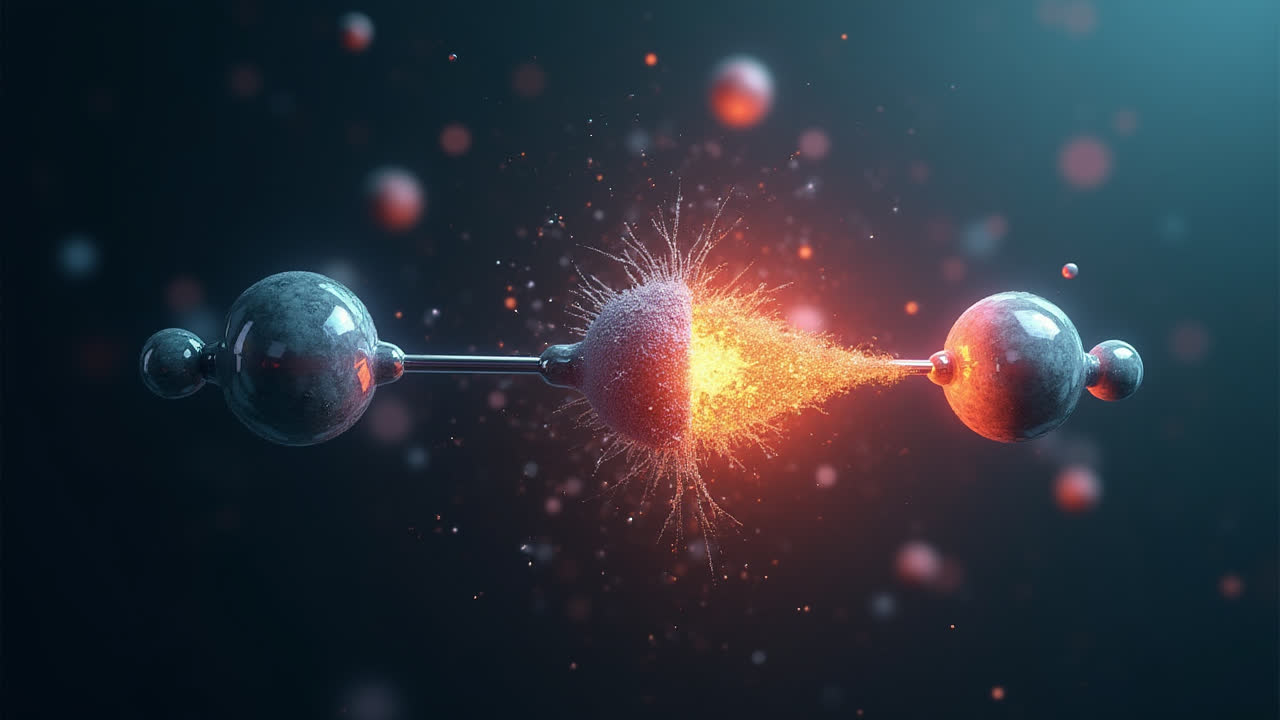
Among all the B vitamins, Vitamin B12 stands out for several remarkable characteristics. Also known as cobalamin, B12 is the largest and most structurally complex of all vitamins. What makes it truly unique is that it contains the mineral cobalt, making it the only vitamin with a metal element in its structure.
The molecular structure of B12 is built around a corrin ring with cobalt at its center. This distinctive architecture is crucial for the vitamin's biological functions. Depending on which molecule attaches to the sixth coordination site of the corrin ring, B12 can exist in several forms, including cyanocobalamin (with a cyano group), hydroxocobalamin (with a hydroxyl group), methylcobalamin (with a methyl group), or adenosylcobalamin (with a 5'-deoxyadenosyl group).
Vitamin B12 plays several critical roles in your body:
- Red blood cell formation: B12 is essential for the development and maturation of red blood cells. Without it, the body produces larger but fewer red blood cells, leading to a type of anemia.
- Neurological function: It maintains the health of nerve cells and helps form the protective covering of nerves called the myelin sheath.
- DNA synthesis: B12 is involved in the metabolism of every cell in the human body, particularly affecting DNA synthesis and regulation.
- Energy production: Like other B vitamins, B12 helps convert food into glucose, providing energy for the body.
Interestingly, unlike most nutrients, Vitamin B12 cannot be produced by plants or animals. Only certain bacteria and archaea possess the enzymes needed for B12 synthesis. Animals obtain B12 by consuming foods that contain these microorganisms or by having symbiotic gut bacteria that produce it. This unique characteristic explains why B12 is predominantly found in animal products and why vegetarians and vegans often require supplementation.
Key Differences Between Vitamin B and B12
To clearly understand how Vitamin B and B12 relate to each other, let's examine their key differences across several important categories:
| Comparison Factor | Vitamin B Complex | Vitamin B12 (Cobalamin) |
|---|---|---|
| Classification | A group of eight water-soluble vitamins (B1, B2, B3, B5, B6, B7, B9, B12) | A single specific vitamin within the B complex group |
| Chemical Structure | Each B vitamin has its own unique chemical structure | Built around a corrin ring with cobalt at its center; the only vitamin containing a metal element |
| Primary Functions | Various roles in cell metabolism, energy production, and nervous system function | Red blood cell formation, neurological function, DNA synthesis |
| Food Sources | Whole grains, legumes, nuts, seeds, fruits, vegetables, meat, eggs, dairy | Primarily animal products: meat, fish, eggs, dairy; rarely found in plant foods |
| Deficiency Symptoms | Varies by specific B vitamin (e.g., beriberi from B1 deficiency, pellagra from B3 deficiency) | Megaloblastic anemia, fatigue, neurological issues, memory problems |
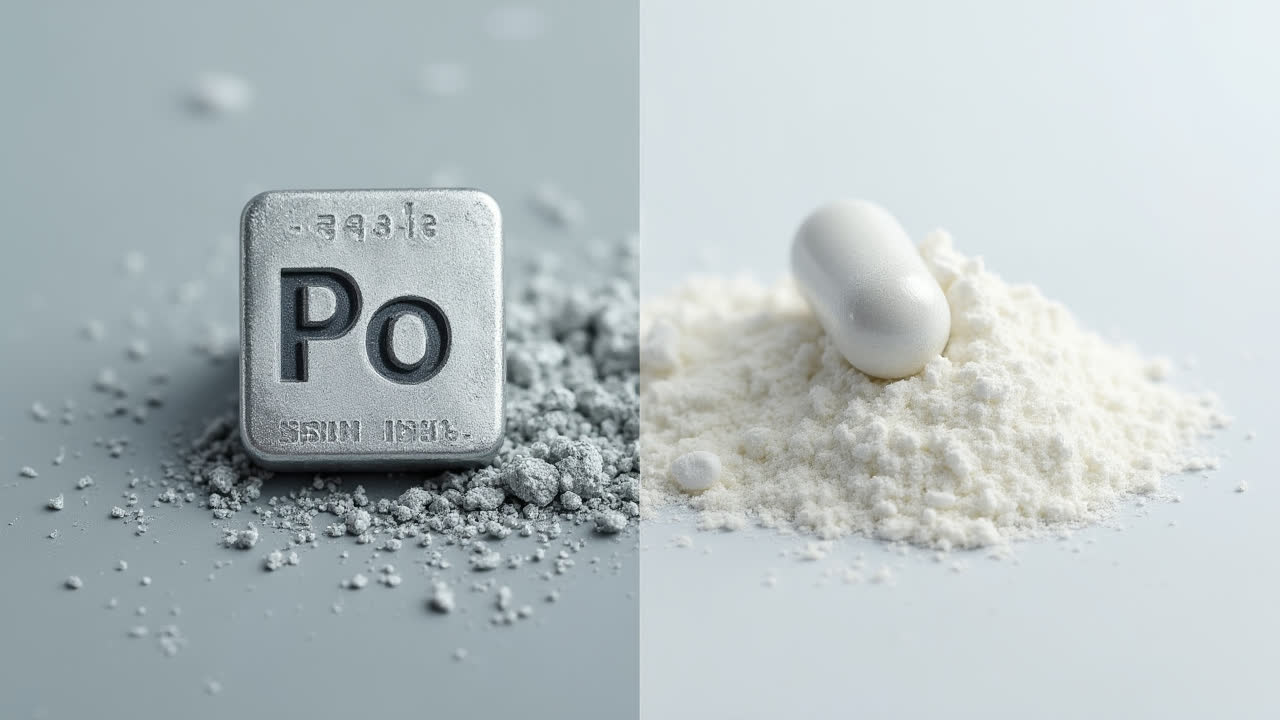
| Supplement Forms | Available as complete B-complex or individual B vitamins | Available as cyanocobalamin, methylcobalamin, hydroxocobalamin, or adenosylcobalamin |
| Storage in Body | Limited storage; most need regular replenishment | Can be stored in the liver for 3-5 years |
| Recommended Daily Intake | Varies for each B vitamin | 2.4 mcg for adults (2.6 mcg for pregnant women, 2.8 mcg for lactating women) |
Sources of Vitamin B and B12
The sources of B vitamins and specifically B12 differ significantly, which explains why certain dietary patterns may lead to deficiencies in particular B vitamins. Understanding where these nutrients come from can help you make informed food choices.
Vitamin B Complex Sources
Most B vitamins are widely distributed throughout the food supply. Rich sources include:
- Legumes (beans, lentils, peas)
- Whole grains (brown rice, oats, whole wheat)
- Vegetables, especially dark leafy greens
- Fruits, particularly citrus fruits and bananas
- Nuts and seeds
- Meat, poultry, and fish
- Eggs and dairy products
- Nutritional yeast and brewer's yeast
It's worth noting that food processing can significantly reduce B vitamin content. For instance, refined grains lose much of their B vitamin content when the germ and bran are removed. This is why many processed grain products are "enriched" with B vitamins to replace what was lost during processing.
Vitamin B12 Sources
Unlike other B vitamins, B12 is primarily found in animal products and is rarely present in plant foods unless they're fortified. Good sources include:
- Meat, especially organ meats like liver
- Fish and shellfish
- Eggs
- Dairy products
- Fortified plant milks
- Fortified nutritional yeast
- Fortified breakfast cereals
This limited distribution of natural B12 sources creates nutritional challenges for vegetarians and especially vegans. Without careful planning or supplementation, these groups may develop B12 deficiencies over time. The body can store B12 in the liver for several years, so deficiency symptoms may take time to appear, making them easy to overlook until they become severe.
Recommended Intake and Supplements
The recommended daily intake varies for each B vitamin, reflecting their different roles in the body and the amounts needed to prevent deficiency. For most adults, the dietary reference intakes (DRIs) are:
- B1 (Thiamine): 1.1-1.2 mg
- B2 (Riboflavin): 1.1-1.3 mg
- B3 (Niacin): 14-16 mg
- B5 (Pantothenic Acid): 5 mg
- B6 (Pyridoxine): 1.3-1.7 mg
- B7 (Biotin): 30 mcg
- B9 (Folate): 400 mcg
- B12 (Cobalamin): 2.4 mcg
These requirements may increase during pregnancy, lactation, or under certain health conditions. For Vitamin B12 specifically, the recommended intake increases to 2.6 mcg during pregnancy and 2.8 mcg during lactation.
When it comes to supplements, you'll find two main approaches:
B Complex Supplements
These contain all eight B vitamins in a single formulation. B complex supplements are useful when you want to ensure adequate intake of all B vitamins or when multiple B vitamin deficiencies are suspected. They're often recommended for people with conditions that affect nutrient absorption, those recovering from illness, or individuals following restricted diets.
Individual B Vitamin Supplements
These target specific B vitamins and are prescribed when particular deficiencies are identified. For example, B12 supplements are commonly recommended for vegans, older adults with reduced absorption capacity, or people with conditions like pernicious anemia that affect B12 utilization.
Vitamin B12 supplements come in several forms, including:
- Oral tablets and capsules
- Sublingual (under-the-tongue) tablets or drops
- Nasal sprays
- Injections (typically for severe deficiency or absorption issues)
The form of B12 in supplements also varies, with cyanocobalamin being the most common due to its stability and lower cost. However, methylcobalamin and adenosylcobalamin are the active forms used by the body and may be more effective for some individuals, particularly those with certain genetic variations that affect B12 metabolism.
Deficiencies and Side Effects
Both overall B vitamin deficiencies and specific B12 deficiency can cause significant health problems, though the symptoms and consequences differ.
B Vitamin Complex Deficiencies
Deficiencies in specific B vitamins can lead to distinct conditions:
- B1 (Thiamine) deficiency: Causes beriberi, characterized by muscle weakness, nerve damage, and heart problems
- B2 (Riboflavin) deficiency: Results in ariboflavinosis, with symptoms including sore throat, mouth lesions, and skin disorders
- B3 (Niacin) deficiency: Leads to pellagra, marked by dermatitis, diarrhea, dementia, and in severe cases, death
- B6 (Pyridoxine) deficiency: Associated with microcytic anemia, seizures, depression, and confusion
- B9 (Folate) deficiency: Causes megaloblastic anemia and neural tube defects in developing fetuses
B vitamin deficiencies are more common in people with alcohol use disorder, malabsorption conditions like celiac disease or Crohn's disease, and those following highly restrictive diets. They can also occur as side effects of certain medications.
Vitamin B12 Deficiency
B12 deficiency develops gradually and may go unnoticed for years because the liver stores significant amounts of this vitamin. When symptoms do appear, they often include:
- Megaloblastic anemia (large, immature red blood cells)
- Fatigue and weakness
- Pale or jaundiced skin
- Numbness and tingling in hands and feet
- Poor balance and coordination
- Memory loss and cognitive difficulties
- Mood changes and depression
If left untreated, B12 deficiency can cause permanent nerve damage and neurological problems. Groups at high risk for B12 deficiency include older adults (due to reduced stomach acid production), people with pernicious anemia or other autoimmune conditions affecting the stomach, individuals who have had gastrointestinal surgery, and those following strict vegetarian or vegan diets without supplementation.
Side Effects of Excess Intake
While B vitamins are generally considered safe even in high doses because excess amounts are typically excreted in urine, some side effects can occur with very high intake:
- High doses of niacin (B3) can cause flushing, itching, and liver damage
- Excessive B6 intake over time may lead to nerve damage
- Very high folate intake can mask B12 deficiency symptoms while allowing neurological damage to progress
B12 specifically has no known toxicity, and even large doses are considered safe. However, high B12 levels in the blood can sometimes indicate underlying health issues like liver disease, certain types of leukemia, or kidney disease, so unexplained elevated levels should be investigated.
Frequently Asked Questions About Vitamin B and B12
Can I get enough Vitamin B12 from a vegetarian or vegan diet?
It's challenging to get adequate B12 from a strictly vegetarian or vegan diet without supplementation. While some plant foods like nutritional yeast, certain mushrooms, and fermented foods contain small amounts of B12, these sources are generally not reliable enough to meet daily needs. Vegans should use B12-fortified foods like plant milks, breakfast cereals, and nutritional yeast, or take a B12 supplement to prevent deficiency. Regular blood testing is recommended to ensure B12 levels remain adequate.
How do I know if I'm deficient in Vitamin B12 or other B vitamins?
Common symptoms of B vitamin deficiencies include fatigue, weakness, anemia, digestive issues, skin rashes, cracks at the corners of the mouth, and neurological symptoms like tingling in the extremities. B12 deficiency specifically may cause memory problems, difficulty balancing, and numbness or tingling in hands and feet. However, symptoms can be subtle and develop slowly. The most accurate way to determine if you have a deficiency is through blood tests that measure levels of specific B vitamins and related markers like homocysteine or methylmalonic acid for B12 status.
Are there any interactions between B vitamins and medications?
Yes, several medications can interact with B vitamins. Metformin, a common diabetes medication, can reduce B12 absorption when used long-term. Proton pump inhibitors and H2 blockers (used for acid reflux) decrease stomach acid production, which can impair B12 absorption. Some anticonvulsants affect folate levels. Additionally, certain antibiotics can temporarily reduce gut bacteria that contribute to B vitamin production. If you're taking any medication regularly, consult with your healthcare provider about potential B vitamin interactions and whether supplementation might be necessary.
Conclusion: The Importance of Understanding B Vitamins
The relationship between Vitamin B and Vitamin B12 illustrates an important principle in nutrition: broad categories often contain specific nutrients with unique and essential functions. When we understand that Vitamin B12 is just one of eight distinct B vitamins—each with its own chemical structure, food sources, and biological roles—we can make more informed decisions about our nutritional needs.
This knowledge becomes particularly relevant when addressing potential deficiencies. Rather than simply reaching for a generic "Vitamin B" supplement, recognizing the specific B vitamin you might be lacking allows for more targeted intervention. For instance, a vegan with low B12 levels would benefit more from a dedicated B12 supplement than from a general multivitamin with minimal B12 content.
Similarly, understanding the different food sources of various B vitamins helps in planning a balanced diet. While most B vitamins are widely distributed in both plant and animal foods, B12's limited presence in plant sources makes it a nutrient of special concern for those following plant-based diets.
The unique characteristics of each B vitamin also explain why their deficiencies present with such diverse symptoms, from the skin problems of pellagra (B3 deficiency) to the neurological impacts of B12 deficiency. This diversity underscores the importance of considering each B vitamin as a distinct nutritional entity with its own significance for health.
As our understanding of nutrition continues to evolve, so too does our appreciation for the complex relationships between nutrients. The B vitamin family exemplifies this complexity, with each member playing vital and often interconnected roles in maintaining our health and wellbeing. By recognizing both the commonalities and the differences among these essential nutrients, we can optimize our nutrition and safeguard against deficiencies that might otherwise impact our health.