Unilineal vs Cognatic Descent: Understanding Kinship Systems
Unilineal vs Cognatic Descent: Understanding Kinship Systems
When I first encountered these terms in my anthropology class, I honestly thought they were just fancy words for "family tree." Boy, was I wrong! Understanding the difference between unilineal and cognatic descent is crucial for grasping how different cultures organize family relationships, inheritance, and social structures. Let me break it down for you in plain English.
You know, it's fascinating how our society today is more likely to use cognatic descent, where we happily claim both our mother's and father's relatives at family reunions (awkward second-cousin introductions included). But many traditional societies – and even some modern communities – still follow unilineal descent patterns that might seem quite foreign to us. We're talking about systems where you might inherit from only your mother's family, never your father's, or vice versa!
What is Unilineal Descent?
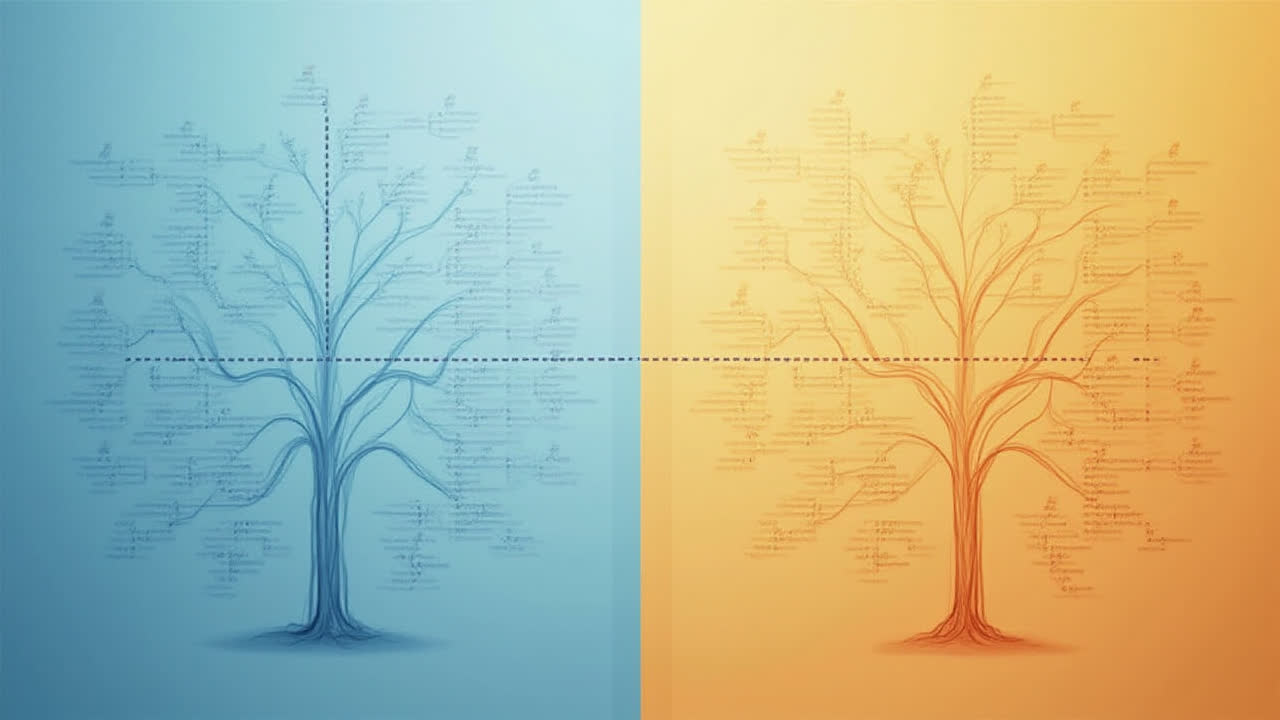
Picture this: you're drawing your family tree, but here's the catch – you can only draw one line upward. That's essentially unilineal descent in a nutshell. This system traces kinship through a single gender line, either your mother's family or your father's family, but never both. It's like choosing between chocolate or vanilla – you don't get the luxury of a swirl!
The most common types are patrilineal (father's line) and matrilineal (mother's line). In patrilineal societies, children inherit their father's surname, property, and family allegiances. This is why historically (and still in many cultures), women often adopted their husband's name and family connections. In matrilineal societies – which are less common but equally valid – inheritance and family identity pass through the mother's line.
I once heard someone describe it as following a single thread through the tapestry of family history. You might wonder, "What about all those other relatives?" Well, that's where it gets interesting. Unilineal societies have terms like clan and lineage that help organize these broader family connections without losing track of that main thread.
Understanding Cognatic Descent
Now, if unilineal descent is like choosing one flavor, cognatic descent is like ordering the sampler platter at your favorite restaurant. This system recognizes kinship through both parents' ancestral lines to some degree. It's more inclusive – think of it as the "why not both?" approach to family relationships.
Bilateral descent, the most common form in modern Western societies, treats both sides equally. Every family gathering becomes a potential reunion of relatives from both sides. Sometimes I joke that bilateral descent is responsible for those enormous Thanksgiving dinners where you need a flowchart to remember how everyone's related!
Ambilineal descent is the interesting cousin in this family. Here, children get to choose which side they'll align with, usually when they become adults. It's like being offered two club memberships and getting to pick one. Some Native American tribes use this system, allowing individuals to strategically position themselves within their broader community.
Key Differences: A Detailed Comparison
| Feature | Unilineal Descent | Cognatic Descent |
|---|---|---|
| Ancestry Tracing | Through single parent's line only | Through both parents' lines to some degree |
| Main Types | Patrilineal, Matrilineal | Bilateral, Ambilineal |
| Inheritance Pattern | Only through selected line | Can inherit from both sides |
| Family Relationships | Limited to single ancestry line | Includes both parental sides |
| Prevalence | Common in traditional societies | Common in modern societies |
| Flexibility | More rigid structure | More flexible and adaptable |
| Social Complexity | Simpler, clearer divisions | More complex, overlapping roles |
| Property Rights | Limited to specific line | Can include multiple sources |
Why These Differences Matter
You might think, "Okay, so what? Who cares which system people use?" Well, here's the thing – these systems profoundly affect how societies function. From who gets grandma's china set to who takes care of elderly relatives, these descent patterns shape our most fundamental social structures.
In unilineal societies, inheritance paths are crystal clear but can sometimes feel restrictive. I remember reading about a woman from a traditionally patrilineal society who couldn't inherit her father's business despite being the most qualified child, simply because the line had to pass through males. On the flip side, unilineal systems can create stronger bonds within specific family groups and provide clearer social roles.
Cognatic systems, while more inclusive and adaptable, can sometimes create confusion or conflict. When both sides have equal claim, decisions about caregiving or inheritance can become complex. But hey, flexibility often comes with complexity, right? It's the price we pay for keeping family connections broader and more inclusive.
Real-World Examples and Cultural Context
Let's put this in context with some real examples. Many Middle Eastern societies traditionally follow patrilineal descent, which influences everything from marriage customs to business partnerships. In these cultures, a man's sons are expected to continue his lineage, while daughters join their husband's family line upon marriage.
Contrast this with the Minangkabau people of Indonesia, who follow a matrilineal system. Here, property passes through the female line, and women are central to family decision-making. The house belongs to the woman's family, and newly married couples often live with the wife's mother initially.
Most Western societies operate on bilateral descent, which is why we equally acknowledge "mom's side" and "dad's side" at family gatherings. This system has evolved alongside our modern values of gender equality and nuclear family structures. Though sometimes I think it just means twice as many birthday cards to remember sending!
How Modern Society Blends These Systems
Here's something interesting: even within cognatic societies, we often see remnants of unilineal thinking. Surnames in many Western cultures still follow patrilineal patterns (though this is changing). And let's be honest – in some families, one side tends to dominate social gatherings more than the other, creating an unofficial bias despite the bilateral system.
Globalization and cultural mixing are creating fascinating hybrid systems. I've seen families where they follow patrilineal naming but bilateral inheritance, or matrilineal land ownership but patrilineal business succession. These blends show how human societies adapt these fundamental systems to meet modern needs while respecting traditional values.
The key takeaway? Neither system is inherently better or worse – they're different tools for organizing society, each with its own advantages and challenges. Understanding these differences helps us appreciate cultural diversity and avoid making assumptions about how "family" works in different contexts.
Frequently Asked Questions
Can a society change from one descent system to another?
Yes, societies can transition between descent systems, often due to cultural assimilation, modernization, or historical events. For example, many indigenous communities have shifted from unilineal to bilateral systems through western influence. However, such changes typically occur gradually over generations and may create periods of social adjustment as people adapt to new family structures and inheritance patterns.
How do modern laws accommodate different descent systems?
Many countries with diverse populations have legal frameworks that accommodate different descent systems. For instance, some nations allow customary law to govern inheritance among indigenous peoples who follow traditional descent patterns, while national laws may apply to the broader population. These parallel legal systems help preserve cultural identity while ensuring basic rights and protections for all citizens.
Do descent systems affect surname traditions?
Absolutely! Patrilineal societies typically pass surnames through the father's line, while matrilineal societies might use mother's names or have no fixed surnames at all. In bilateral descent systems, naming practices vary widely – from hyphenated surnames to choosing either parent's name. Some cultures even change the naming system by generation, alternating between parents' surnames.
References:
- http://courses.lumenlearning.com/culturalanthropology/chapter/descent-
- https://www2.palomar.edu/anthro/kinship/glossary.htm
- http://umanitoba.ca/faculties/arts/anthropology/tutor/descent/unilinea
- https://commons.wikimedia.org/w/index.php?curid=15866006
- https://commons.wikimedia.org/w/index.php?curid=33392132


Related Posts