Turkey vs Chicken: 8 Critical Differences You Should Know
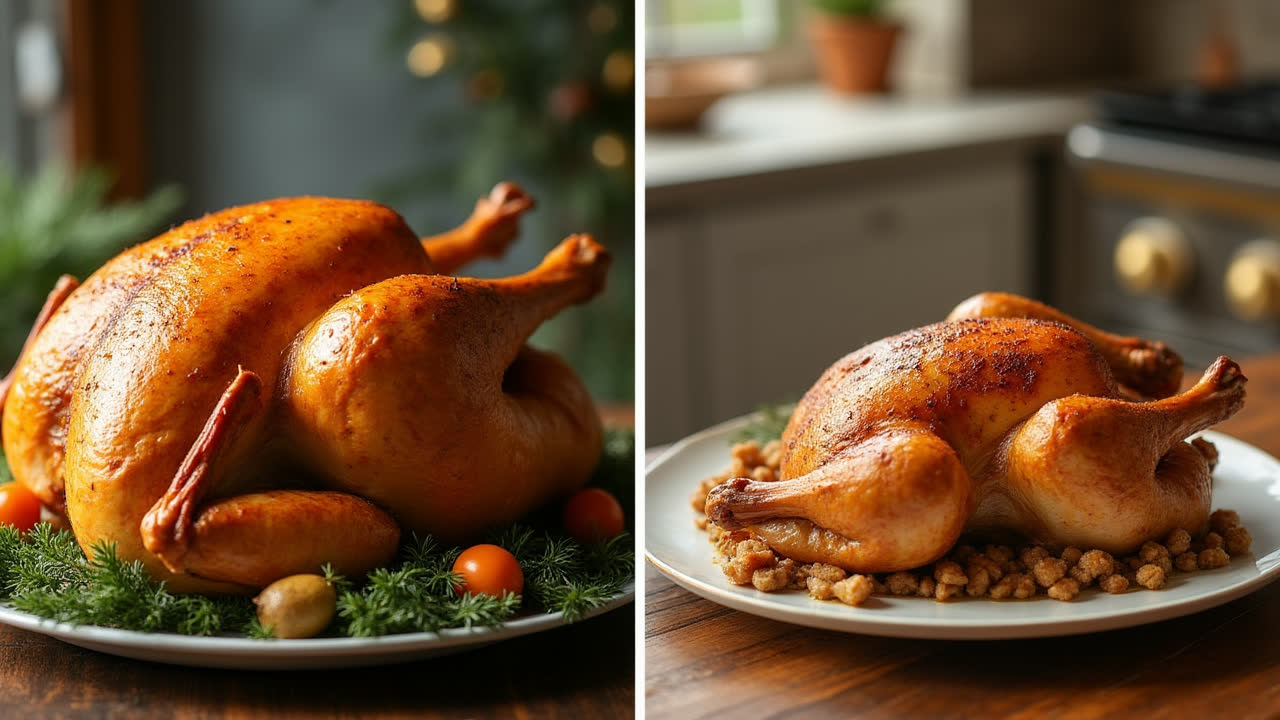
When it comes to poultry options, turkey and chicken are two of the most popular choices that find their way to our dinner tables. Both are excellent sources of lean protein and can be prepared in countless delicious ways. But how well do you really know the differences between these two birds? Is one healthier than the other? Does one taste better? And how should you adjust your cooking techniques depending on which bird you're preparing?
As someone who's spent years experimenting with different poultry recipes (and suffered through my fair share of dry turkey disasters!), I've learned that understanding the unique characteristics of each bird can make all the difference in your cooking results. The main difference between turkey and chicken is their size - turkey is substantially larger, requiring more seasoning, longer cooking times, and different preparation techniques to achieve perfect results.
Let's dive deeper into these differences and discover which bird might be the better choice for your next meal. Whether you're planning a holiday feast or just a weeknight dinner, this guide will help you make an informed decision between turkey and chicken.
What Is Turkey? Origin and Characteristics
Turkey is a large bird belonging to the family Phasianidae and order Galliformes. Native to the Americas, these impressive birds have been domesticated from their wild ancestors and are now raised worldwide for their meat. A turkey's appearance is quite distinctive, featuring dark colored plumage with a featherless head and neck that can change color depending on the bird's mood and the breeding season.
One of the most striking things about turkeys is their size. An average adult turkey can weigh anywhere from 15 to 30 pounds, making them substantially larger than chickens. This size difference isn't just cosmetic—it has significant implications for how we cook and consume turkey meat. I remember my first time roasting a whole turkey; I was shocked by how much space it took up in my oven compared to the chickens I was used to!
In terms of cultural significance, turkey holds a special place in North American traditions. It's the centerpiece of Thanksgiving dinners and is often featured in Christmas celebrations too. There's something about a beautifully roasted turkey that signals a special occasion—perhaps it's the extra effort and time that goes into preparing such a large bird, or maybe it's just the impressive presentation it makes on a dining table surrounded by family and friends.
The taste of turkey meat is distinctive as well. It has a richer, slightly darker flavor profile compared to chicken, especially in the dark meat portions. This unique taste makes it particularly well-suited to special occasion meals where you want something a bit more memorable than everyday poultry. And while turkey was once primarily a holiday food, many people now enjoy ground turkey and turkey cuts year-round as a leaner alternative to other meats.
What Is Chicken? Origin and Characteristics
Chicken (Gallus gallus domesticus) is perhaps the most ubiquitous poultry in the world. These birds are descendants of the red junglefowl and have been domesticated for thousands of years, making them one of humanity's oldest animal companions. Unlike the larger turkey, chickens are more compact birds known for their colorful plumage and distinctive feathered necks and heads with prominent combs.
What makes chicken truly remarkable is its versatility and global presence. Virtually every cuisine in the world has signature chicken dishes, from French coq au vin to Indian butter chicken, Chinese kung pao chicken to Southern fried chicken. I've traveled extensively, and I'm always amazed how this humble bird appears on menus everywhere, each culture putting its unique spin on preparation methods.
Chickens are dual-purpose birds, valued both for their meat and egg production. This productive efficiency has made them the most common type of poultry worldwide. The meat itself has a milder flavor than turkey, which many find more versatile and adaptable to different seasonings and cooking styles. Chicken breasts, in particular, are prized for their lean protein content and ability to take on the flavors of whatever they're cooked with.
Unlike turkey, which often signals a special occasion, chicken is the workhorse of everyday meals. It's the go-to protein for quick weeknight dinners, meal prep, and budget-conscious cooking. The smaller size of chickens makes them much more manageable for routine cooking—you can roast a whole chicken in about an hour, compared to several hours for a turkey. This convenience factor shouldn't be underestimated when comparing these two birds!
Turkey vs Chicken: Comprehensive Comparison
Now that we have a basic understanding of both turkey and chicken individually, let's put them head-to-head across various categories to better understand their differences and similarities. This detailed comparison will help you choose the right bird for your specific cooking needs and dietary preferences.
| Comparison Factor | Turkey | Chicken |
|---|---|---|
| Size | Larger; typically 15-30 pounds | Smaller; typically 3-7 pounds |
| Taste Profile | Richer, darker flavor | Milder, more neutral flavor |
| Calorie Content | Lower calorie content | Higher calorie content |
| Fat Content | Less fat overall | More fat, especially in dark meat |
| Cholesterol | Lower cholesterol levels | Higher cholesterol levels |
| Common Cooking Methods | Primarily roasting and baking | Versatile: baking, frying, grilling, boiling |
| Cooking Time | Longer (15-20 minutes per pound) | Shorter (20-30 minutes total for parts) |
| Cultural Significance | Traditional for Thanksgiving and Christmas | Everyday protein, no specific holiday ties |
Nutritional Differences Between Turkey and Chicken
When it comes to making health-conscious food choices, understanding the nutritional profile of different meats is essential. Both turkey and chicken are considered healthy protein sources, but there are some notable differences worth considering. I've always been nutrition-minded in my cooking, so these distinctions have guided many of my poultry decisions over the years.
Turkey generally comes out ahead in the nutrition department, particularly when comparing white meat portions. Turkey breast contains fewer calories and less fat than chicken breast, making it a slightly better option for those closely watching their caloric intake. For example, a 3-ounce serving of skinless turkey breast provides about 125 calories and 2 grams of fat, while the same amount of skinless chicken breast contains roughly 140 calories and 3 grams of fat. These differences might seem small, but they can add up over time if you consume poultry regularly.
Beyond just calories and fat, turkey also has a slight edge when it comes to cholesterol content. This makes turkey potentially beneficial for those managing heart health concerns or following cholesterol-restricted diets. Additionally, turkey provides more iron and zinc per serving than chicken, contributing to its reputation as a nutritionally superior option in some respects.
However, the nutritional story isn't quite so simple. The differences between dark meat portions of both birds are less pronounced, and overall, both poultry options offer excellent protein quality with all essential amino acids. Both are good sources of B vitamins, particularly niacin and B6, which are important for energy metabolism and nervous system function.
It's worth noting that preparation methods can significantly impact the nutritional profile of both meats. A fried chicken breast will have a vastly different nutritional profile than a roasted turkey breast, regardless of the inherent differences between the two birds. The healthiest way to prepare either poultry type is by baking, grilling, or roasting with minimal added fats.
Cooking Considerations: Turkey vs Chicken
The differences between turkey and chicken become most apparent when you're actually in the kitchen preparing them. As someone who hosts both weeknight dinners and holiday gatherings, I've learned that each bird requires its own approach to achieve the best results. Let's look at some key cooking considerations that might influence your choice between these two poultry options.
Size is perhaps the most obvious difference that affects cooking. A whole turkey requires significantly more oven space than a chicken, which might be a practical limitation depending on your kitchen setup. The larger size of turkey also means longer cooking times—typically about 15-20 minutes per pound for turkey versus 20-30 minutes total for chicken parts. This time difference can be substantial when you're planning a meal schedule. I once miscalculated turkey cooking time for a Thanksgiving dinner and ended up serving at 9 PM instead of the planned 6 PM!
Seasoning requirements differ as well. Turkey's larger size and slightly more robust flavor mean it generally needs more aggressive seasoning to ensure the flavor penetrates throughout the meat. Many cooks turn to brining for turkey, a technique that's less commonly used for chicken. The larger surface area of turkey also means more seasoning is needed overall—a consideration that affects both your recipe planning and your spice cabinet inventory.
Another important cooking consideration is the challenge of keeping the meat moist. Turkey, particularly the breast meat, is notoriously prone to drying out during cooking. This is partly because of the greater size disparity between the breast and leg portions in turkey compared to chicken. The legs require longer cooking to reach a safe temperature, by which time the breast can become overcooked. This challenge requires special techniques like tenting with foil, basting, or even cooking the bird upside down for part of the roasting time.
Versatility in cooking methods is another area where these birds differ. While both can be roasted whole, chicken lends itself to a much wider variety of cooking methods. You can easily grill, fry, sauté, or poach chicken parts, while turkey is most commonly roasted or baked. Ground turkey has become more popular for everyday cooking, but even in this form, it often requires more careful handling than ground chicken to prevent it from becoming dry.
Everyday Uses vs Special Occasions
The role these two poultry types play in our culinary traditions differs significantly. Chicken has earned its place as the everyday protein workhorse in many households, while turkey often signals a special occasion or holiday meal. This distinction stems from both practical considerations and cultural traditions that have evolved over generations.
Chicken's smaller size makes it perfectly suited for regular meal preparation. You can purchase chicken in various convenient forms—whole birds, specific parts like breasts or thighs, or ground—allowing for tremendous flexibility in meal planning. The quicker cooking time of chicken also aligns well with busy weeknight schedules. I personally rely on chicken for at least two or three meals each week, preparing it in different ways to keep meals interesting without requiring excessive time in the kitchen.
On the other hand, turkey has long been associated with celebration and abundance. The larger size of a whole turkey naturally lends itself to feeding a crowd, making it ideal for gatherings like Thanksgiving, Christmas, or other family reunions. There's something undeniably impressive about presenting a golden-brown roasted turkey as the centerpiece of a special meal. This tradition has deep cultural roots in North America and continues to symbolize togetherness and sharing.
That said, the lines between everyday and special occasion poultry are blurring somewhat. Turkey parts and ground turkey have become more readily available, allowing this traditionally special-occasion meat to make inroads into everyday cooking. Many health-conscious cooks now regularly substitute ground turkey for beef in recipes like burgers, meatballs, and tacos. Similarly, turkey breast cutlets can be prepared quickly for weeknight meals. Meanwhile, a beautifully roasted chicken can certainly take center stage at a dinner party or Sunday family meal.
Conclusion: Choosing Between Turkey and Chicken
After examining the various differences between turkey and chicken, it becomes clear that both birds have their unique strengths and ideal uses. The main difference between turkey and chicken is that turkey is bigger than chicken and needs more seasoning, more brine, and a longer cooking time. However, the distinctions go far beyond just size.
Turkey offers a richer flavor profile and slightly better nutritional stats, making it an excellent choice for special occasions and health-conscious cooking. Its distinctive taste creates memorable meals, while its lower fat and calorie content appeals to those watching their intake. However, turkey requires more time, space, and careful attention during cooking to prevent it from drying out.
Chicken, with its milder flavor and greater versatility, remains the more practical choice for everyday meals. Its quicker cooking time, wider range of suitable preparation methods, and generally more forgiving nature make it the go-to poultry for busy cooks. The familiar taste of chicken also makes it a crowd-pleaser that works well with countless flavor profiles from around the world.
Ultimately, both turkey and chicken deserve a place in your culinary repertoire. Rather than viewing them as competitors, consider them complementary options that serve different purposes in your meal planning. By understanding the unique characteristics of each, you can make informed choices about which bird best suits your specific needs for any given meal or occasion.
So next time you're planning a menu—whether for a Tuesday night dinner or a holiday feast—you'll know exactly which bird to choose and how to make the most of its particular qualities. And isn't that what good cooking is all about? Understanding your ingredients and letting their natural characteristics shine through in the finished dish.
Frequently Asked Questions
Is turkey healthier than chicken?
Yes, turkey is generally considered slightly healthier than chicken. Turkey contains fewer calories, less fat, and lower cholesterol per serving compared to chicken. It also provides more iron and zinc. However, the nutritional differences are relatively small, and both poultry options offer excellent lean protein. The preparation method has a much more significant impact on the overall healthiness of the dish than the choice between turkey and chicken. Both can be part of a nutritious diet when prepared with minimal added fats and paired with healthy sides.
Can I substitute turkey for chicken in recipes?
Yes, you can substitute turkey for chicken in most recipes, but some adjustments may be necessary. Since turkey has a leaner profile and different flavor, you might need to add more moisture (through oils, broths, or sauces) and adjust cooking times. Turkey parts typically require slightly longer cooking than equivalent chicken parts. Ground turkey works well as a substitute for ground chicken but may benefit from additional seasoning due to its milder flavor. For best results, look for recipes specifically designed for turkey rather than making direct substitutions, especially for dishes where the poultry is the star ingredient.
Why does turkey meat dry out more easily than chicken?
Turkey meat dries out more easily than chicken primarily because of its leanness and the greater size disparity between different parts of the bird. Turkey breast has very little fat and a large surface area relative to its volume, making it prone to moisture loss during cooking. Additionally, the significant size difference between turkey breast and legs creates a cooking challenge—by the time the dark meat reaches a safe temperature, the breast meat has often overcooked and dried out. This issue is less pronounced in chickens where the size difference between parts is smaller. To prevent dry turkey, techniques like brining, basting, cooking at lower temperatures, and resting the meat properly are essential.