10 Must-Visit Destinations in Sri Lanka: The Pearl of the Indian Ocean
The Magic of Sri Lanka: An Island Paradise
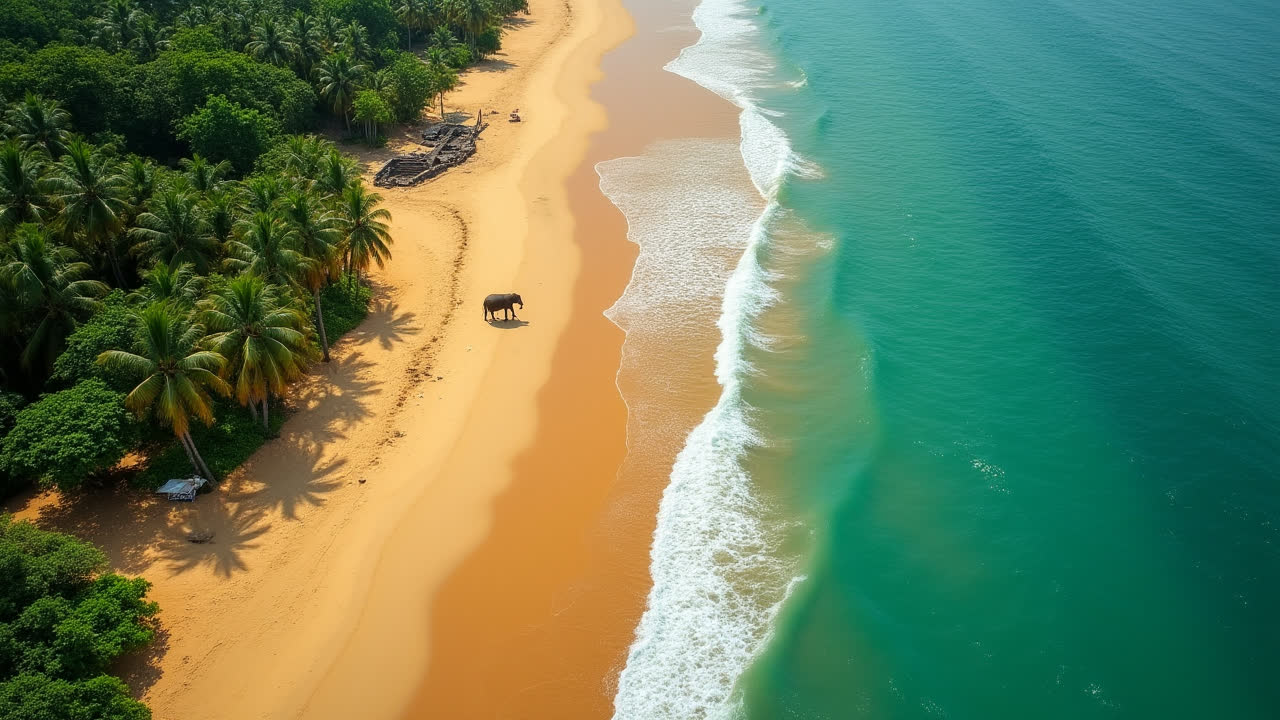
Sri Lanka, the teardrop-shaped island nation in South Asia, has emerged as one of the most sought-after travel destinations in recent years. With its magnificent historical sites, diverse landscapes, and warm hospitality, this island paradise offers something special for every type of traveler. What makes Sri Lanka truly unique is its remarkable diversity packed into such a compact area – you can explore ancient ruins in the morning and relax on pristine beaches by afternoon, all within a few hours' drive.
The island nation boasts a history spanning over 2,500 years, with influences from various cultures shaping its identity. From the colonial architecture left by the Portuguese, Dutch, and British to the ancient Buddhist temples and ruins of past kingdoms, Sri Lanka's cultural tapestry is incredibly rich. Have you ever wondered what it would be like to walk through ruins that have stood for over a millennium? In Sri Lanka, you can do just that while experiencing the country's natural beauty and wildlife in the same journey.
The island's geographic diversity is equally impressive – lush rainforests, misty mountains, golden beaches, and arid plains all exist within this relatively small landmass. This variety of ecosystems has blessed Sri Lanka with incredible biodiversity, making it a hotspot for nature enthusiasts and wildlife photographers. I've personally been amazed at how quickly the landscapes change as you travel through different regions of the country – from the cool, tea-covered highlands to the warm, palm-fringed coastlines.
1. Temple of the Tooth: Sri Lanka's Most Sacred Buddhist Shrine
Located in the picturesque city of Kandy, the Temple of the Tooth (Sri Dalada Maligawa) stands as the most sacred Buddhist site in Sri Lanka. This UNESCO World Heritage Site houses the relic of the tooth of Buddha, making it a place of profound religious significance. The temple complex, with its stunning architecture and ornate decorations, offers visitors a glimpse into Sri Lanka's deep Buddhist heritage and royal history.
The temple's significance extends beyond its religious importance – historically, it was believed that whoever possessed the sacred tooth relic held the governance of the country. This belief made the temple a symbol of political power throughout Sri Lankan history. The temple's location in Kandy, the last capital of the ancient kings of Sri Lanka, further enhances its historical importance. Walking through the temple's chambers, with their intricately carved wooden pillars and gold-plated roofs, feels like stepping back in time to the era of Sri Lankan royalty.
One of the most spectacular events associated with the Temple of the Tooth is the annual Esala Perahera (Festival of the Tooth), a grand procession featuring elaborately decorated elephants, traditional dancers, drummers, and fire-performers. This ten-day festival, usually held in July or August, draws thousands of visitors and is considered one of Asia's most colorful religious pageants. I remember being completely mesmerized by the rhythmic sounds of the traditional drums and the sight of majestic elephants adorned with glittering cloths during my visit – it's truly a cultural experience like no other.
2. Sigiriya: The Majestic Lion Rock Fortress
Rising dramatically from the central plains of Sri Lanka, Sigiriya (Lion Rock) is perhaps the country's most iconic attraction. This ancient rock fortress, dating back to the 5th century CE, combines natural splendor with remarkable human ingenuity. The massive column of rock, nearly 200 meters high, features the ruins of an ancient palace complex built by King Kasyapa, complete with gardens, pools, and frescoes. The site is now recognized as a UNESCO World Heritage Site and stands as a testament to the advanced engineering and artistic achievements of ancient Sri Lanka.
The journey to the summit of Sigiriya is an adventure in itself. Visitors climb a series of staircases, passing through the massive stone lion paws that give the rock its name, before reaching the palace ruins at the top. Along the way, you'll encounter the famous Sigiriya frescoes – ancient paintings of beautiful maidens that have remarkably survived for over 1,500 years. These colorful artworks, sheltered in a small pocket of the rock face, showcase the artistic sophistication of the ancient Sri Lankan civilization.
The panoramic views from the top of Sigiriya are simply breathtaking – lush forests, distant mountains, and water gardens stretch out in all directions. The water gardens at the base of the rock are equally impressive, featuring symmetrical pools, fountains, and channels that still function during the rainy season, demonstrating the advanced hydraulic technology of the time. Climbing Sigiriya early in the morning, when the mist still clings to the surrounding forests and the heat is less intense, is an experience that will stay with you forever. Sometimes I still dream about that view – it's that spectacular!
3. Sinharaja Forest Reserve: Sri Lanka's Last Virgin Rainforest
As Sri Lanka's last viable area of primary tropical rainforest, the Sinharaja Forest Reserve represents a biodiversity hotspot of global significance. This UNESCO World Heritage Site and Biosphere Reserve spans approximately 18,900 acres and is home to an astonishing variety of flora and fauna, many of which are endemic to Sri Lanka. The name "Sinharaja" translates to "Lion Kingdom," reflecting the legendary belief that the Sinhalese people originated from the union of a princess and a lion.
Walking through Sinharaja is like stepping into a living laboratory of evolution. The dense forest canopy, reaching heights of up to 45 meters, creates a mysterious, shadowy world teeming with life. Over 60% of the trees found here are endemic, and many are considered rare. The forest is bordered by several rivers and streams, including the Koskulana River to the north and the Gin River to the south, which contribute to its lush, verdant ecosystem. The constant sound of water droplets falling from leaves creates a soothing natural soundtrack as you explore the forest trails.
For wildlife enthusiasts, Sinharaja offers incredible opportunities for bird watching, with over 160 bird species recorded within its boundaries. The famous mixed-species feeding flocks, containing 12 or more species, represent one of the most complex bird socialization systems in the world. Additionally, the forest is home to leopards, purple-faced langurs, barking deer, and a multitude of butterfly species. During my trek through Sinharaja, our guide pointed out tiny frogs no bigger than my fingernail and vibrant birds I'd never seen before – it was like discovering a hidden world that few get to experience firsthand. The biodiversity is truly mind-blowing, especially when you consider how small this forest remnant actually is.
4. Adam's Peak: The Sacred Mountain of Sri Lanka
Adam's Peak (Sri Pada) stands as one of Sri Lanka's most revered natural landmarks, a mountain whose peak bears a footprint-shaped impression that holds religious significance for multiple faiths. Rising to 2,243 meters, this conical mountain attracts thousands of pilgrims and adventurous travelers each year. Buddhists believe the footprint belongs to Lord Buddha, Hindus attribute it to Lord Shiva, Muslims and Christians consider it to be Adam's first step after being exiled from the Garden of Eden. This remarkable multi-faith reverence makes the mountain a powerful symbol of religious harmony.
The pilgrimage to Adam's Peak traditionally takes place during the dry season from December to May. Most climbers begin their ascent in the darkness of night, climbing by the light of the path's illuminations, with the goal of reaching the summit for sunrise. The climb involves ascending approximately 5,500 steps, a challenging but deeply rewarding journey. The path winds through lush forests and tea plantations before the final steep climb to the peak. The mountain is also known as "Butterfly Mountain" due to the seasonal migrations of thousands of butterflies that end their journey at its summit.
The view from the summit at dawn is nothing short of magical – as the sun rises, the mountain casts a perfectly triangular shadow across the landscape below, a phenomenon that seems almost supernatural in its geometric precision. The surrounding mountains emerge from the morning mist one by one, creating a scene of otherworldly beauty. The sense of accomplishment mixed with the spiritual atmosphere at the summit creates an experience that transcends mere sightseeing. I'll never forget sitting at the top, exhausted from the climb but completely entranced by the spectacle unfolding before me as the first rays of sunlight painted the sky in shades of gold and pink.
5. Yala National Park: Wildlife Wonders of Sri Lanka
Yala National Park, located in the southeastern region of Sri Lanka, stands as the country's most visited wildlife sanctuary and the second largest national park. Covering approximately 979 square kilometers, Yala comprises five blocks, only two of which are currently open to the public. The park's landscape is diverse, featuring everything from open parkland and dense jungle to rocky outcrops and sandy beaches. This variety of habitats supports an impressive array of wildlife, making Yala a must-visit destination for nature lovers.
The park is renowned for having one of the highest leopard densities in the world, offering visitors some of the best chances to spot these elusive big cats in the wild. Sri Lankan elephants roam in herds throughout the park, while sloth bears, water buffalo, and crocodiles add to the excitement of safari drives. Bird enthusiasts will be delighted by the over 215 bird species recorded in the park, including six endemic species of Sri Lanka. The park's wetlands attract numerous aquatic birds, including painted storks, herons, and the rare black-necked stork.
Beyond its wildlife, Yala also contains important cultural sites. The ancient monastic settlement of Sithulpawwa, dating back to the 2nd century BCE, stands within the park boundaries. This rock temple served as an important center for Buddhist learning and meditation. The ruins of Magul Maha Viharaya, built in the 1st century BCE, can also be found within Yala, adding historical interest to the natural experience. My early morning safari through Yala remains one of my most thrilling travel experiences – the anticipation of spotting wildlife in their natural habitat, the skilled guides who could identify animal tracks in the dust, and the heart-stopping moment when we rounded a corner to find a leopard lounging on a rock just meters from our jeep.
Comparing Sri Lanka's Beaches vs. Mountain Regions
| Feature | Coastal Regions | Mountain Regions |
|---|---|---|
| Average Temperature | 27-30°C year-round | 15-20°C with cooler nights |
| Best Time to Visit | Nov-Apr (west/south), May-Sep (east) | Jan-Mar for clear views, Jun-Aug for lush scenery |
| Main Activities | Swimming, surfing, snorkeling, whale watching | Hiking, tea plantation tours, wildlife spotting |
| Signature Landscapes | Golden sand beaches, palm trees, coral reefs | Tea plantations, misty peaks, waterfalls |
| Accommodation Types | Beach resorts, boutique hotels, surf lodges | Colonial tea bungalows, mountain lodges, homestays |
| Local Cuisine Focus | Seafood, coconut-based curries, fresh tropical fruits | Warming curries, tea, vegetable dishes |
| Cultural Experiences | Fishing villages, stilt fishermen, coastal temples | Tea factories, ancient temples, mountain villages |
| Accessibility | Easy access from major cities | Winding roads, longer travel times, some remote areas |
5 More Must-Visit Destinations in Sri Lanka
While the above-mentioned sites represent some of Sri Lanka's most famous attractions, the island nation offers many more treasures waiting to be discovered. Here are five additional destinations that showcase the diversity and beauty of this remarkable country:
6. Galle Fort
Built by the Portuguese and later fortified by the Dutch in the 16th century, Galle Fort stands as a remarkable example of European colonial architecture blended with South Asian traditions. This UNESCO World Heritage Site encompasses an entire walled city, complete with narrow cobblestone streets, colonial buildings, boutique shops, and trendy cafes. Walking along the massive ramparts as the sun sets over the Indian Ocean is an experience not to be missed. The fort has withstood the test of time – it even survived the devastating 2004 tsunami relatively unscathed, protecting the residents within its walls.
7. Ella
Nestled in the misty highlands of Sri Lanka, the small town of Ella has become a favorite stop for travelers seeking natural beauty and a laid-back atmosphere. Surrounded by tea plantations and set against a backdrop of dramatic mountains, Ella offers spectacular hiking opportunities, including the famous Ella Rock and Little Adam's Peak. The nine-arch bridge, a colonial-era railway viaduct, stands as one of the most photographed spots in Sri Lanka. I still remember sipping freshly brewed Ceylon tea at a small café while watching the clouds drift through the Ella Gap – a perfect moment of tranquility in this mountain paradise.
8. Polonnaruwa
The ancient city of Polonnaruwa serves as a testament to the advanced civilization of medieval Sri Lanka. This UNESCO World Heritage Site was the second capital of the island after the fall of Anuradhapura, flourishing between the 10th and 13th centuries CE. The well-preserved ruins include impressive stone temples, massive dagobas (stupas), intricate statues, and an ancient irrigation system that demonstrates the engineering prowess of ancient Sri Lankans. The famous Gal Vihara features four massive Buddha statues carved from a single granite wall, displaying the exceptional craftsmanship of the period.
9. Mirissa
For those seeking the perfect beach experience, Mirissa offers a slice of tropical paradise along Sri Lanka's southern coast. This crescent-shaped beach with golden sand and swaying palm trees provides an ideal setting for relaxation and water activities. Mirissa has gained fame as one of the best places in the world for blue whale watching, with boat tours operating during the season from November to April. The beach town maintains a perfect balance between development and natural beauty, with enough restaurants and accommodations to ensure comfort without overwhelming its laid-back charm.
10. Horton Plains National Park
High in Sri Lanka's central highlands lies Horton Plains National Park, a protected area known for its exceptional biodiversity and stunning vistas. The park's most famous attraction is "World's End," a sheer cliff with a drop of about 880 meters that offers breathtaking panoramic views of the surrounding landscape. The park also features Baker's Falls, a picturesque waterfall surrounded by forest, and provides habitat for numerous endemic species including the purple-faced langur and the Sri Lankan sambar deer. The unique ecosystem of montane grasslands and cloud forests creates an otherworldly landscape unlike anywhere else in Sri Lanka.
Frequently Asked Questions About Traveling in Sri Lanka
What is the best time of year to visit Sri Lanka?
Sri Lanka experiences two monsoon seasons affecting different parts of the island, making it a year-round destination. For the western and southern coasts and hill country, December to March is ideal with sunny, dry weather. The eastern coast is best from April/May to September. If you're planning to visit multiple regions, January and February offer the best overall weather conditions across the island. I'd recommend avoiding the southwest monsoon (May to September) if beaches are your primary interest.
How many days do you need to explore Sri Lanka properly?
While you could hit the major highlights in 7-10 days, a trip of 14-21 days would allow for a more comprehensive experience of Sri Lanka's diverse attractions. With two weeks, you can comfortably explore the Cultural Triangle (Anuradhapura, Polonnaruwa, Sigiriya), hill country (Kandy, Nuwara Eliya, Ella), wildlife parks, and beach areas without feeling rushed. If you only have one week, focus on either the cultural sites or the beaches/wildlife depending on your interests rather than trying to see everything.
Is Sri Lanka safe for tourists?
Sri Lanka is generally considered a safe destination for tourists, with low rates of violent crime against visitors. As with any travel destination, normal precautions should be taken regarding personal belongings and awareness of surroundings. Road safety can be a concern, so choosing reputable transportation providers is advisable. The political situation has stabilized in recent years, though it's always good practice to check current travel advisories before visiting. During my trips to Sri Lanka, I've always found the locals to be incredibly welcoming and helpful to tourists.
Sri Lanka: A World of Wonders in One Small Island
From ancient cities and sacred temples to misty mountains and pristine beaches, Sri Lanka offers an incredible diversity of experiences within its compact borders. The island's rich cultural heritage, stunning natural landscapes, and abundant wildlife make it a destination that rewards travelers seeking authentic experiences. Whether you're climbing the stone steps of Sigiriya, watching elephants roam in Yala, or simply enjoying the warm hospitality of the Sri Lankan people, this island paradise is sure to capture your heart.
What makes Sri Lanka truly special is how accessible these diverse experiences are – you can be exploring ancient ruins in the morning and relaxing on a tropical beach by afternoon. The country's relatively small size belies the enormous cultural and natural wealth it contains. As tourism in Sri Lanka continues to develop, now is the perfect time to discover this gem of the Indian Ocean before the secret gets out. Have you started planning your Sri Lankan adventure yet? Trust me – it's a journey you won't regret taking.