Sunflower Oil vs Safflower Oil: Ultimate Comparison Guide
What Is Sunflower Oil?
Sunflower oil is a pale yellow fatty oil pressed from the seeds of the sunflower plant (Helianthus spp.). Contrary to what many might think, a sunflower isn't a single flower but rather a cluster of hundreds of tiny flowers grouped together. The oil is typically extracted through steam extraction methods, creating a versatile cooking oil that's become a kitchen staple worldwide.
What makes sunflower oil stand out in the crowded field of cooking oils? For starters, it boasts an impressive smoke point of around 450°F (232°C), making it excellent for high-heat cooking methods like frying and baking. Have you ever had oil start smoking in your pan? That's when it reaches its smoke point and begins to break down, potentially creating harmful compounds. With sunflower oil's high smoke point, you have more flexibility in your cooking.
Another notable feature is its vitamin E content. Sunflower oil contains more vitamin E than many other vegetable oils. This fat-soluble antioxidant helps protect your cells from damage and supports immune function. Just one tablespoon of sunflower oil can provide about 5.6 mg of vitamin E, which is approximately 37% of the recommended daily intake. That's quite impressive for just a spoonful of oil!
Sunflower oil comes in three main varieties, each with a different fatty acid profile:
- Linoleic sunflower oil: The traditional form, containing about 65% polyunsaturated fatty acids, primarily omega-6 linoleic acid. It's lower in saturated fats compared to many animal-based oils.
- High oleic sunflower oil: Rich in monounsaturated fatty acids (similar to olive oil), this variety was developed through selective breeding. It's more stable for high-heat cooking and has been associated with lower cholesterol and triglyceride levels.
- Mid-oleic sunflower oil: Sometimes marketed as "NuSun," this variety strikes a balance between the other two types. It has lower saturated fat levels than linoleic sunflower oil and higher oleic acid content.
What Is Safflower Oil?
Safflower oil is derived from the seeds of the safflower plant (Carthamus tinctorius), which has been cultivated for thousands of years. Originally grown for its colorful petals used in fabric dyes and medicinal purposes, the safflower plant now serves primarily as an oil source. Each globular flower head contains between 15-20 seeds, which are pressed to extract this nearly colorless and flavorless oil.
I remember the first time I cooked with safflower oil—I was surprised by how little flavor it imparted to my stir-fry. This neutral quality makes it an excellent choice when you don't want your oil to alter the taste of your dish. The oil's high smoke point of approximately 510°F (265°C) also makes it incredibly versatile for various cooking methods, particularly high-heat techniques like deep-frying and searing.
Nutritionally, safflower oil shares many similarities with sunflower oil. However, it typically contains even lower levels of saturated fats (around 7.5% compared to sunflower oil's approximately 10%). It's also rich in antioxidants that help keep the oil fresh for longer periods, reducing the likelihood of rancidity—a common issue with some polyunsaturated oils when stored improperly.
Like its sunny counterpart, safflower oil comes in different varieties based on fatty acid composition:
- Linoleic safflower oil: This traditional variety is high in polyunsaturated fatty acids, particularly omega-6 linoleic acid. It's often used in cold applications like salad dressings.
- Oleic safflower oil: Developed through selective breeding, this type is rich in monounsaturated fatty acids, making it more heat-stable and potentially more beneficial for heart health.
An interesting fact about safflower that not many people know: its cultivation dates back over 4,000 years, with evidence of its use found in ancient Egyptian tombs. The plant was so valued historically that it earned the nickname "false saffron" because its petals were sometimes used as a (much cheaper) substitute for the expensive spice saffron. Talk about an oil with a rich history!
Nutritional Comparison: Breaking Down The Oils
When choosing between sunflower and safflower oils, understanding their nutritional profiles can help you make the best decision for your health goals. Both oils contain minimal amounts of saturated fats compared to animal-based alternatives like butter or lard, making them heart-healthier options. But there are some notable differences worth exploring.
Let's talk fatty acids—the building blocks of all oils. Both sunflower and safflower oils contain predominantly unsaturated fats, which are generally considered beneficial for heart health when they replace saturated fats in the diet. However, the specific types and proportions of these unsaturated fats vary between the oils and even between different varieties of the same oil.
| Characteristic | Sunflower Oil | Safflower Oil |
|---|---|---|
| Source Plant | Helianthus spp. (sunflower) | Carthamus tinctorius (safflower) |
| Appearance | Pale yellow | Light yellow to nearly colorless |
| Flavor Profile | Mild, slightly nutty | Very neutral, almost flavorless |
| Smoke Point | 450°F (232°C) | 510°F (265°C) |
| Saturated Fatty Acids | ~10% | ~7.5% |
| Monounsaturated Fatty Acids | 45.4% (linoleic variety) 83.7% (high oleic variety) |
75.2% (high oleic variety) 14.4% (linoleic variety) |
| Polyunsaturated Fatty Acids | 40.1% (linoleic variety) 3.8% (high oleic variety) |
12.8% (high oleic variety) 75% (linoleic variety) |
| Vitamin E Content | Higher (5.6 mg per tablespoon) | Moderate (4.6 mg per tablespoon) |
Standard linoleic sunflower oil is rich in omega-6 polyunsaturated fats, while high oleic varieties contain primarily monounsaturated fats. Similarly, safflower oil comes in both high-linoleic and high-oleic varieties. The oleic varieties of both oils are more stable when heated, making them better choices for high-heat cooking methods.
From a micronutrient perspective, both oils provide vitamin E, though sunflower oil typically offers slightly more. This antioxidant vitamin helps protect cells from oxidative damage and supports immune function. Neither oil contains significant amounts of other vitamins or minerals—which is typical of refined oils—but their fatty acid profiles can make them valuable additions to a balanced diet.
Cooking Properties and Culinary Uses
The way an oil behaves in the kitchen can be just as important as its nutritional profile. Both sunflower and safflower oils are prized for their versatility and high smoke points, but they have subtle differences that might make one more suitable for specific culinary applications.
Sunflower oil shines in many cooking methods due to its moderate flavor and high heat tolerance. Its slightly nutty taste can complement baked goods, making it excellent for muffins, quick breads, and cakes. I've found that sunflower oil works beautifully in homemade mayonnaise and salad dressings, where its subtle flavor adds a pleasant dimension without overwhelming other ingredients.
For high-heat cooking like stir-frying or deep-frying, both oils perform admirably, but safflower oil's higher smoke point gives it a slight edge. When I'm making crispy fried chicken or tempura vegetables, I often reach for safflower oil. Its exceptionally neutral flavor also makes it my go-to for dishes where I want other ingredients to shine without any interference from the cooking medium.
Here's a quick breakdown of ideal uses for each oil:
- Sunflower Oil:
- Baking (cakes, muffins, quick breads)
- Sautéing and medium-heat stir-frying
- Homemade salad dressings and mayonnaise
- Pan-frying and shallow-frying
- Safflower Oil:
- Deep-frying and high-heat searing
- Stir-frying at very high temperatures
- Dishes where a completely neutral flavor is desired
- Commercial mayonnaise production
One important note: while both oils are suitable for many cooking methods, their polyunsaturated nature (particularly in the linoleic varieties) makes them susceptible to oxidation when exposed to heat, light, and air for extended periods. To maintain freshness, I always store these oils in dark bottles away from heat sources and try to use them within a few months of opening. The high-oleic varieties of both oils offer better stability and longer shelf life due to their higher monounsaturated fat content.
Health Benefits and Considerations
Both sunflower and safflower oils have earned reputations as heart-healthy alternatives to more saturated fat-rich options. Their benefits extend beyond just cardiovascular health, though it's important to understand the nuances of how these oils might affect overall wellness.
The cardiovascular benefits of these oils largely stem from their unsaturated fat content. When used to replace saturated fats in the diet, both oils may help reduce LDL ("bad") cholesterol levels. The high-oleic varieties, in particular, have shown promising results in improving cholesterol profiles without lowering beneficial HDL cholesterol. A diet rich in monounsaturated fats, like those found in high-oleic sunflower and safflower oils, has been associated with reduced inflammation and lower risk of heart disease.
Beyond heart health, the vitamin E content in these oils—particularly sunflower oil—offers antioxidant protection that may help reduce cellular damage from free radicals. This might translate to improved skin health, enhanced immune function, and potential anti-aging benefits. I've noticed that adding these oils to my diet has helped with dry skin issues, especially during harsh winter months.
However, there are some considerations worth noting. The standard linoleic varieties of both oils are high in omega-6 fatty acids. While these are essential fatty acids that we need in our diet, the typical Western diet already contains an abundance of omega-6 fats relative to omega-3 fats. Some research suggests that consuming too many omega-6 fats without balancing them with omega-3s might contribute to inflammation. For this reason, it might be wise to choose the high-oleic varieties of these oils for everyday cooking, especially if you don't regularly consume omega-3-rich foods like fatty fish, flaxseeds, or walnuts.
Another consideration is how these oils are processed. Cold-pressed, unrefined versions retain more nutrients but have lower smoke points and shorter shelf lives. Refined versions lose some nutritional value but gain stability and higher smoke points. When possible, I try to choose cold-pressed oils for cold applications like salad dressings and refined versions for high-heat cooking.
"Let food be thy medicine and medicine be thy food," Hippocrates supposedly said. While no single oil is a miracle food, thoughtfully incorporating heart-healthy options like sunflower and safflower oils into a balanced diet can be one small step toward better health.
Making the Right Choice for Your Kitchen
So, how do you decide between sunflower and safflower oil for your pantry? The answer depends on your cooking style, health priorities, and even taste preferences. Let me share some practical advice that might help you make this decision.
If versatility is your primary concern, sunflower oil might have a slight edge. Its moderately high smoke point combined with a pleasant, mild flavor makes it suitable for everything from baking to medium-heat sautéing. The high-oleic variety, in particular, offers a good balance of heat stability and heart-healthy monounsaturated fats, similar to olive oil but with a more neutral flavor profile.
For those who frequently use high-heat cooking methods like deep-frying, stir-frying at very high temperatures, or searing, safflower oil's exceptionally high smoke point makes it the better choice. Its nearly flavorless character also means it won't interfere with the taste of your carefully seasoned dishes.
From a health perspective, both oils have their merits, but the specific variety matters more than the type of oil itself. High-oleic versions of either oil offer better stability and potentially more heart-healthy benefits than their linoleic counterparts. If you're concerned about maintaining a healthy omega-6 to omega-3 ratio, the high-oleic varieties would be preferable for everyday use.
Budget-conscious cooks might find sunflower oil more economical, as it's typically less expensive than safflower oil. However, prices can vary by region and brand, so it's worth comparing options available in your local stores.
My personal approach? I keep both oils in my kitchen but use them for different purposes. High-oleic sunflower oil is my go-to for general cooking and baking, while I reserve safflower oil specifically for high-heat applications where I want absolutely no added flavor. This way, I get the best of both worlds and can choose the right oil for each culinary creation.
Remember, whichever oil you choose, proper storage is crucial for maintaining freshness and preventing rancidity. Store your oils in a cool, dark place (not next to the stove!), and consider refrigerating them if you don't use them frequently. A quality oil that's gone rancid can ruin a dish, regardless of its original nutritional value or culinary properties.
Frequently Asked Questions
Can I substitute safflower oil for sunflower oil in recipes?
Yes, safflower oil can generally be substituted for sunflower oil in most recipes at a 1:1 ratio. Both oils have similar properties, though safflower oil has a slightly higher smoke point and a more neutral flavor. This substitution works especially well in high-heat cooking methods and in recipes where you don't want the oil to contribute much flavor. In baking, you might notice a very subtle difference in taste, as sunflower oil has a slightly nuttier profile, but the texture and moisture of your baked goods should remain consistent.
Which oil is better for heart health, sunflower or safflower?
Both high-oleic sunflower and safflower oils can be beneficial for heart health when used as part of a balanced diet. The high-oleic varieties of either oil are rich in monounsaturated fats, which may help reduce LDL (bad) cholesterol while maintaining HDL (good) cholesterol levels. Safflower oil typically contains slightly less saturated fat than sunflower oil (7.5% vs. 10%), which might give it a minor edge. However, the difference is relatively small, and both oils are considerably lower in saturated fat than coconut oil, palm oil, or animal fats. The key is choosing high-oleic versions of either oil for the best heart health benefits.
How can I tell if my sunflower or safflower oil has gone rancid?
Rancid oil has a distinctive unpleasant smell often described as paint-like, fishy, or reminiscent of old crayons. Fresh sunflower and safflower oils should have a mild, neutral, or slightly nutty aroma. If your oil smells off or has a sharp, sour odor, it has likely gone rancid. You might also notice a change in color or taste—rancid oil often develops a bitter flavor. To prevent rancidity, store your oils in tightly sealed containers away from heat, light, and air. High-oleic varieties have better shelf stability than linoleic versions. If you don't use these oils frequently, consider refrigerating them to extend their freshness, though they may become cloudy when cold (this is normal and doesn't affect quality).
Conclusion
In the great debate of sunflower oil versus safflower oil, there's no definitive winner—both offer impressive nutritional profiles and versatility in the kitchen. Your best choice depends on your specific cooking needs, health goals, and even subtle taste preferences.
Sunflower oil provides a slightly nuttier flavor profile with excellent vitamin E content, making it a solid all-around choice for most kitchen tasks. Safflower oil counters with an ultra-neutral taste, marginally higher smoke point, and slightly lower saturated fat content, giving it an edge for high-heat cooking and applications where flavor neutrality is paramount.
For health-conscious cooks, the high-oleic varieties of either oil offer the best combination of culinary performance and heart-healthy benefits. These versions provide stability during cooking while delivering a fatty acid profile similar to olive oil.
What's most important is incorporating these oils as part of a balanced diet rich in diverse nutrients. Neither oil is a miracle food on its own, but both can be valuable components of a healthy eating pattern when used thoughtfully and stored properly.
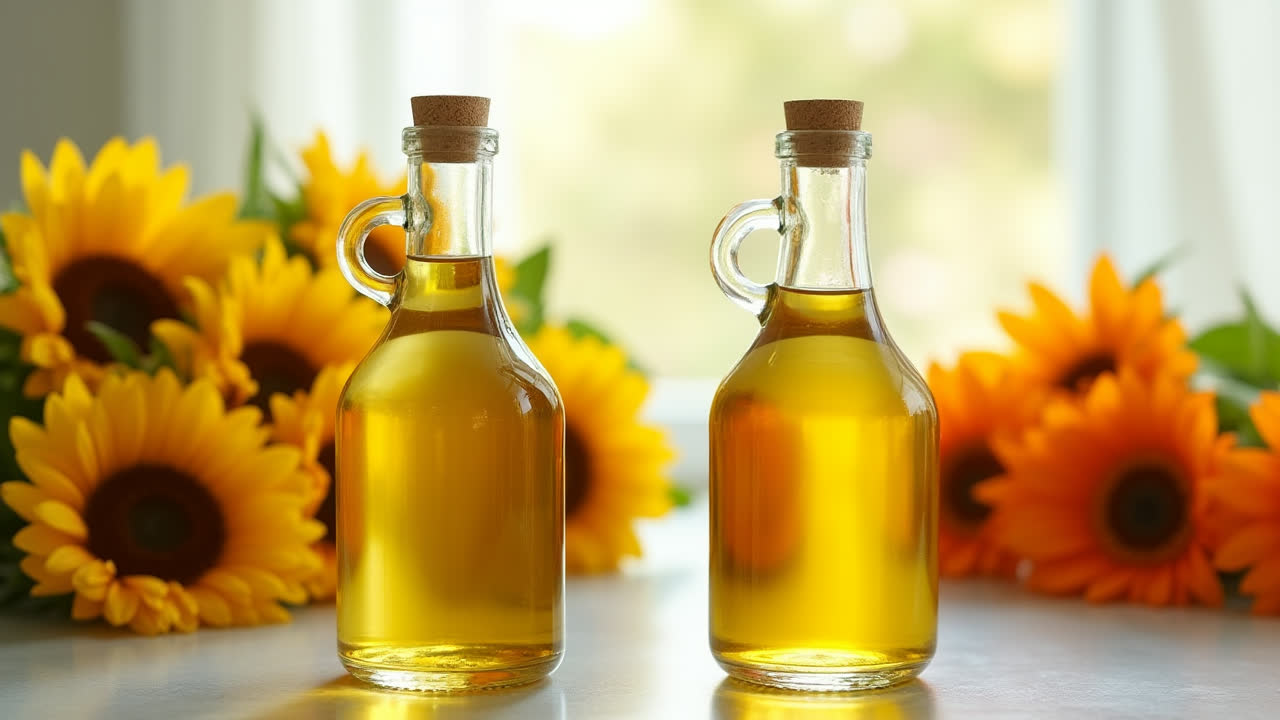
So, whether you reach for the sunshine-bright bottle of sunflower oil or the golden gleam of safflower oil, you're making a solid choice for your kitchen arsenal. And remember, there's no rule saying you can't keep both on hand, using each for what it does best. After all, culinary versatility is the true secret ingredient in any well-equipped kitchen.