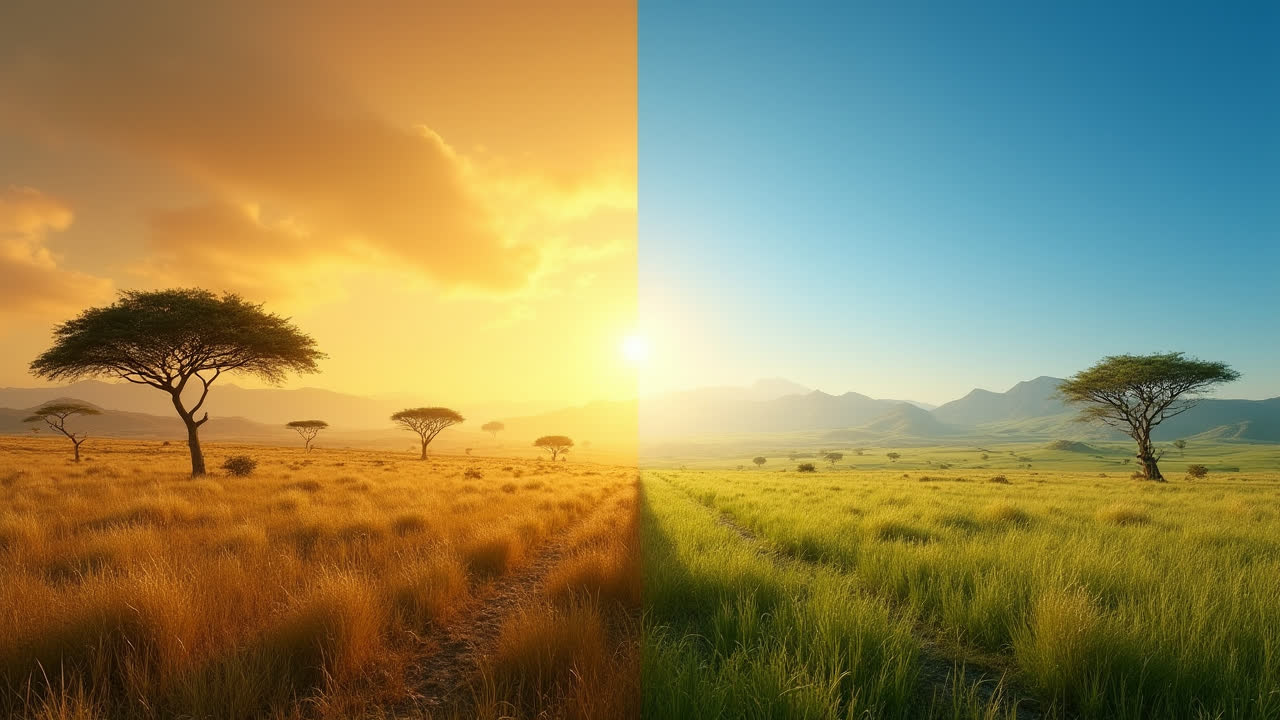
Sodic vs Saline Soil: Understanding the Critical Differences
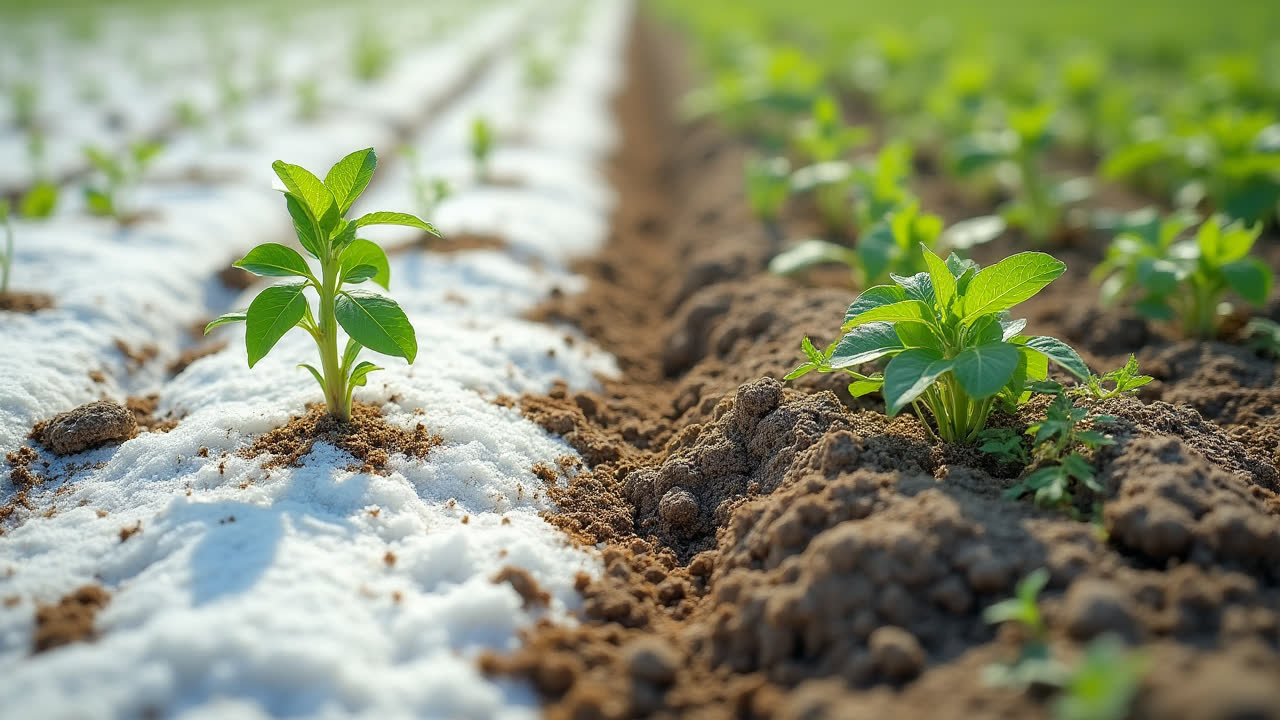
When it comes to agricultural productivity and plant health, the type of soil plays a crucial role. Among the various soil classifications, sodic soil and saline soil represent two problematic conditions that significantly impact crop yield and soil management practices. But what exactly makes these soil types different from each other, and why should farmers and gardeners care?
Soil, as the foundation of terrestrial ecosystems, consists of minerals, organic matter, water, air, and living organisms. The chemical composition and physical structure of soil determine its fertility and suitability for plant growth. Understanding the differences between sodic and saline soil is essential for implementing effective soil management strategies and improving agricultural output.
What Is Soil and Why Does Its Composition Matter?
Soil is a complex, porous medium that forms the uppermost layer of the Earth's crust. It develops through the weathering of rocks and minerals over long periods, combined with the decomposition of organic matter. The resulting material supports plant growth and provides habitat for countless microorganisms, making it a vital natural resource.
The composition of soil directly affects its ability to supply nutrients, retain water, and support plant roots. When the balance of minerals and salts in soil becomes disrupted, problems like sodicity and salinity can develop. These conditions alter the soil's physical and chemical properties, potentially turning fertile land into areas where crops struggle to grow.
Soil scientists classify soil based on various characteristics, including texture, structure, pH level, and salt content. The proportion of sand, silt, and clay particles determines soil texture, while the arrangement of these particles defines soil structure. Both texture and structure influence how water, air, and nutrients move through the soil, which in turn affects plant growth. When excessive amounts of specific salts accumulate in the soil, they create distinct challenges that require specialized management approaches.
Understanding Sodic Soil: Composition and Characteristics
Sodic soil is characterized by an excessive concentration of exchangeable sodium ions attached to clay particles. This occurs when sodium ions leached through the soil remain bound to clay particles, displacing other beneficial cations like calcium and magnesium. The defining feature of sodic soil is its high exchangeable sodium percentage (ESP), typically greater than 15%.
One of the most noticeable properties of sodic soil is its high pH level, usually above 8.5. This alkaline environment affects nutrient availability and can lead to deficiencies in plants. The excessive sodium weakens the bonds between soil particles, causing them to disperse when wet. This dispersion destroys soil structure and creates dense, hard layers that restrict root growth and water infiltration.
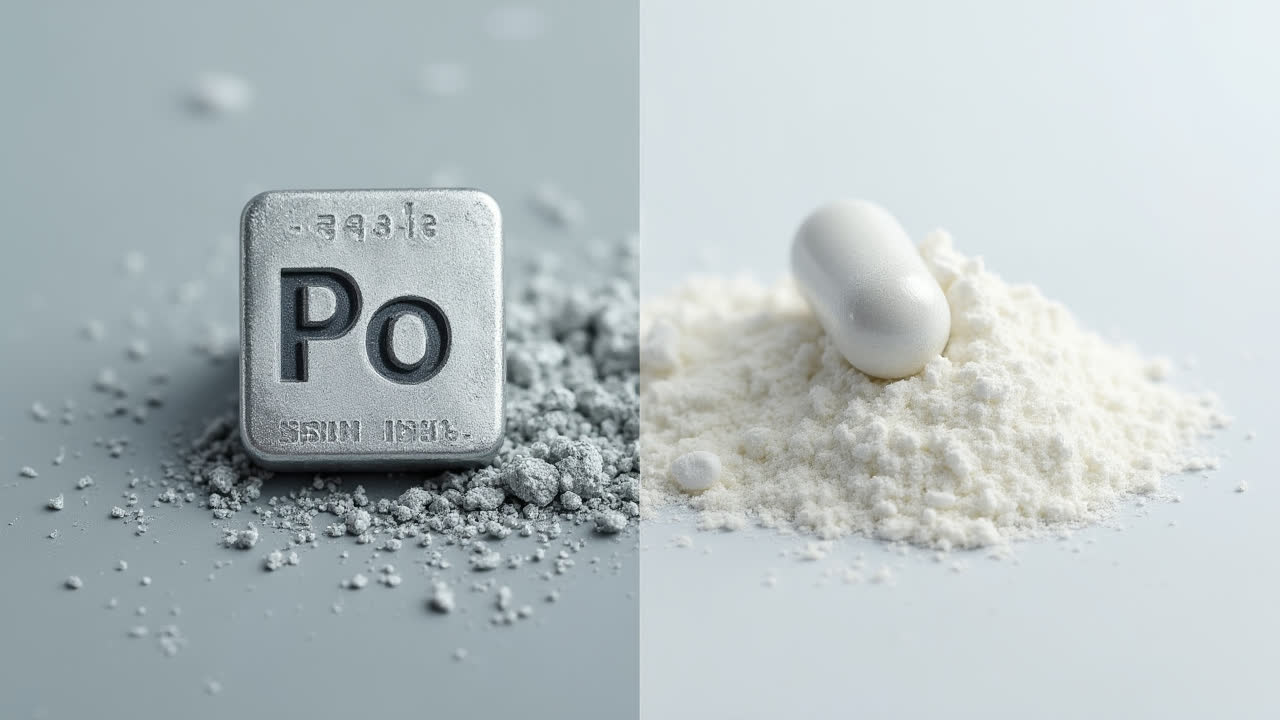
Visual indicators of sodic soil include a dense, columnar or prismatic subsoil structure, surface crusting, and poor vegetation growth. During dry periods, a white or gray powder might appear on the soil surface due to sodium carbonate deposits. In wet conditions, sodic soils often become waterlogged because of their poor drainage capabilities.
The impact of sodicity extends beyond just plant growth. When rainwater falls on sodic soil, the dispersed clay particles can be carried away more easily, increasing the risk of soil erosion. Over time, this erosion can form gullies and tunnels in the landscape, further degrading the land's agricultural potential and environmental value.
Exploring Saline Soil: Formation and Properties
Saline soil develops when soluble salts accumulate in the soil at levels that impair plant growth. These salts primarily include compounds of calcium, magnesium, sodium, potassium, chlorides, sulfates, and bicarbonates. Unlike sodic soil, which has predominantly sodium ions attached to clay particles, saline soil contains various dissolved salts in the soil solution.
The process of salinization typically occurs in areas with high evaporation rates and insufficient rainfall to leach salts away. It can be exacerbated by improper irrigation practices, where salt-laden water is applied to crops and then evaporates, leaving salts behind in the soil. Rising groundwater can also bring dissolved salts to the root zone in discharge areas with poor drainage.
Saline soils generally maintain good soil structure because the high concentration of calcium and magnesium salts helps to maintain soil aggregation. However, the electrical conductivity (EC) of the soil solution exceeds 4 dS/m (decisiemens per meter), which indicates problematic levels of salinity for most crops.
The presence of excess salts in the soil solution creates a physiological drought condition for plants. Even when there appears to be adequate soil moisture, plants struggle to extract water because the high salt concentration in the soil solution reduces the water potential gradient between the soil and plant roots. This makes it more difficult for plants to absorb water, leading to drought-like symptoms even in moist soil.
Comparison: Sodic Soil vs Saline Soil
| Characteristic | Sodic Soil | Saline Soil |
|---|---|---|
| Primary Salt Type | Exchangeable sodium salts bound to clay | Various soluble salts in soil solution |
| Formation Process | Sodium ions remain bound to clay particles | Accumulation of dissolved salts due to evaporation |
| pH Level | Greater than 8.5 (highly alkaline) | Usually less than 8.5 |
| Soil Structure | Poor, dispersed, with hard subsoil | Generally good, with stable aggregates |
| Water Infiltration | Very slow due to dispersed clay | Moderate to good |
| Plant Stress Mechanism | Toxicity, poor soil structure, high pH | Osmotic stress, reduced water availability |
| Visual Indicators | Surface crusting, columnar structure | White salt crusts, stunted plants |
| Reclamation Approach | Application of calcium amendments (gypsum) | Leaching with good quality water, drainage |
Impact on Plant Growth and Agriculture
Both sodic and saline soils create challenging environments for plant growth, but they do so through different mechanisms. In sodic soils, the high concentration of sodium disrupts soil structure, limiting root penetration and restricting water infiltration. The high pH also makes many nutrients less available to plants. These physical and chemical constraints combine to severely reduce plant growth and crop yields.
Saline soils, on the other hand, primarily affect plants through osmotic stress. The high concentration of salts in the soil solution makes it harder for plants to extract water, essentially creating drought-like conditions even when soil moisture appears adequate. Additionally, some salts like boron or chloride can reach toxic levels in plant tissues, causing leaf burn, stunted growth, and reduced yields.
Different plant species vary in their tolerance to sodicity and salinity. Some crops, like barley, cotton, and date palms, have relatively high salt tolerance, while others, such as beans, carrots, and most fruit trees, are highly sensitive. Understanding the specific type of soil problem—whether sodic, saline, or a combination of both—is crucial for selecting appropriate crops and implementing effective management strategies.
The economic implications of sodic and saline soils are significant. According to various estimates, soil salinity affects approximately 7% of the world's land area, reducing agricultural productivity on millions of hectares. With growing global food demand and limited arable land, reclaiming and managing these problem soils has become increasingly important for sustainable agriculture.
Soil Reclamation Methods and Management Practices
Reclaiming sodic soil typically involves adding calcium-based amendments like gypsum (calcium sulfate) to displace sodium from clay particles. The application of organic matter can also improve soil structure and microbial activity. After treatment, adequate irrigation is necessary to leach the displaced sodium below the root zone, which requires good drainage conditions.
For saline soils, the primary reclamation strategy involves leaching the excess salts with good quality irrigation water. This approach requires installing effective drainage systems to prevent the leached salts from accumulating in lower soil layers. In some cases, tolerant crops or halophytes (salt-loving plants) can be grown as part of the reclamation process, helping to extract salts from the soil.
Prevention is often more cost-effective than reclamation. Sustainable irrigation practices, like drip irrigation with appropriate water quality, can minimize salt buildup. Regular soil testing helps detect problems early, allowing for timely intervention. Crop rotation and the use of cover crops can also improve soil health and reduce salt accumulation in problematic areas.
In regions where high water tables contribute to salinization, groundwater management becomes essential. This might involve installing subsurface drainage systems or using deep-rooted vegetation to lower the water table naturally. In extreme cases, physical barriers might be constructed to prevent the lateral flow of salty groundwater into agricultural fields.
Frequently Asked Questions
How can I test my soil for sodicity or salinity at home?
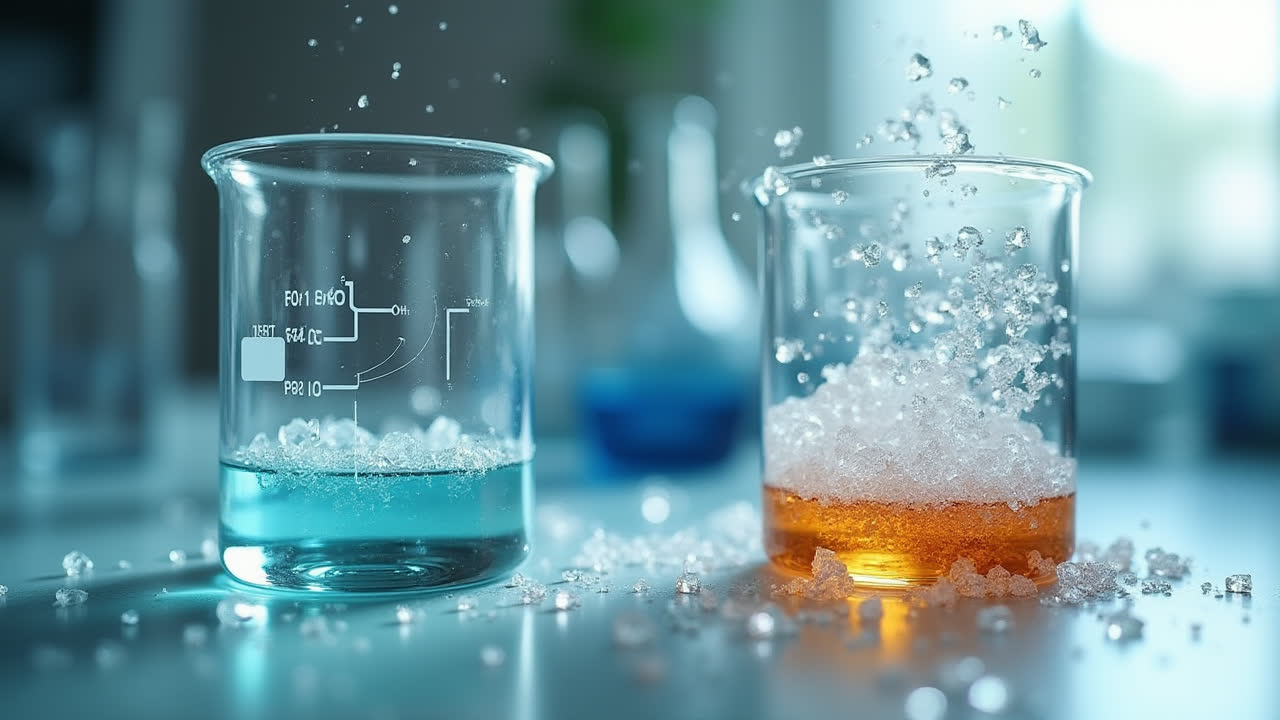
While professional soil testing provides the most accurate results, you can perform preliminary assessments at home. For salinity, you can make a soil-water slurry and measure its electrical conductivity using an EC meter available at garden stores. Visual signs like white crusts on the soil surface or poor plant growth despite adequate water and nutrients might indicate salt problems. For sodicity, observe soil structure—sodic soils often form hard crusts when dry and become sticky when wet. However, for definitive classification and specific management recommendations, sending soil samples to a professional laboratory is recommended.
Can organic farming methods help rehabilitate sodic or saline soils?
Organic farming practices can contribute significantly to the rehabilitation of problem soils. Adding compost, manure, and other organic materials improves soil structure, enhances microbial activity, and can help buffer against high pH in sodic soils. These organic inputs also increase the soil's water-holding capacity while improving drainage. For saline soils, organic matter helps improve soil aggregation and can reduce evaporation from the soil surface, slowing salt accumulation. However, for severely affected soils, organic methods alone may be insufficient, and additional interventions like calcium amendments for sodic soils or improved drainage for saline soils may be necessary.
What are the best plant species for phytoremediation of salt-affected soils?
Phytoremediation—using plants to remove or reduce soil contaminants—can be effective for salt-affected soils. Halophytes (salt-loving plants) are particularly useful as they can accumulate salts in their tissues, effectively extracting them from the soil. Some effective species include saltbush (Atriplex species), sea lavender (Limonium species), salt grass (Distichlis spicata), and certain varieties of barley and wheat grass. Deep-rooted perennial grasses like tall wheatgrass (Thinopyrum ponticum) can help lower water tables in areas where rising groundwater contributes to salinization. Additionally, some trees like Eucalyptus and Casuarina species have shown promise in reclaiming salt-affected lands because of their salt tolerance and high transpiration rates.
Conclusion: Making Informed Soil Management Decisions
Understanding the fundamental differences between sodic and saline soils is crucial for implementing effective management strategies in agriculture and land reclamation. While both soil types can severely limit plant growth and productivity, they require distinct approaches for improvement and rehabilitation.
Sodic soils, characterized by excessive exchangeable sodium and poor structure, benefit from calcium amendments and practices that improve soil aggregation. Saline soils, with their high concentration of soluble salts, require proper drainage and leaching to remove excess salts from the root zone. In some cases, soils may exhibit both sodicity and salinity, presenting even more complex management challenges.
As global climate change alters precipitation patterns and increases evaporation rates in many regions, the prevalence of salt-affected soils is likely to increase. This makes knowledge about soil salinity and sodicity even more valuable for maintaining agricultural productivity and environmental sustainability in the face of changing conditions.
By correctly identifying the specific type of salt-affected soil and applying appropriate reclamation techniques, farmers and land managers can transform degraded lands into productive areas. This not only improves agricultural output but also contributes to food security and environmental conservation on a global scale.