Savanna vs Grassland: 7 Critical Differences You Should Know
Have you ever wondered about the differences between a savanna and a grassland? While both biomes might look similar at first glance with their expansive grassy landscapes, they have distinct characteristics that set them apart. I've been fascinated by these ecosystems since my first safari trip to East Africa, where I witnessed the breathtaking beauty of the savanna firsthand.
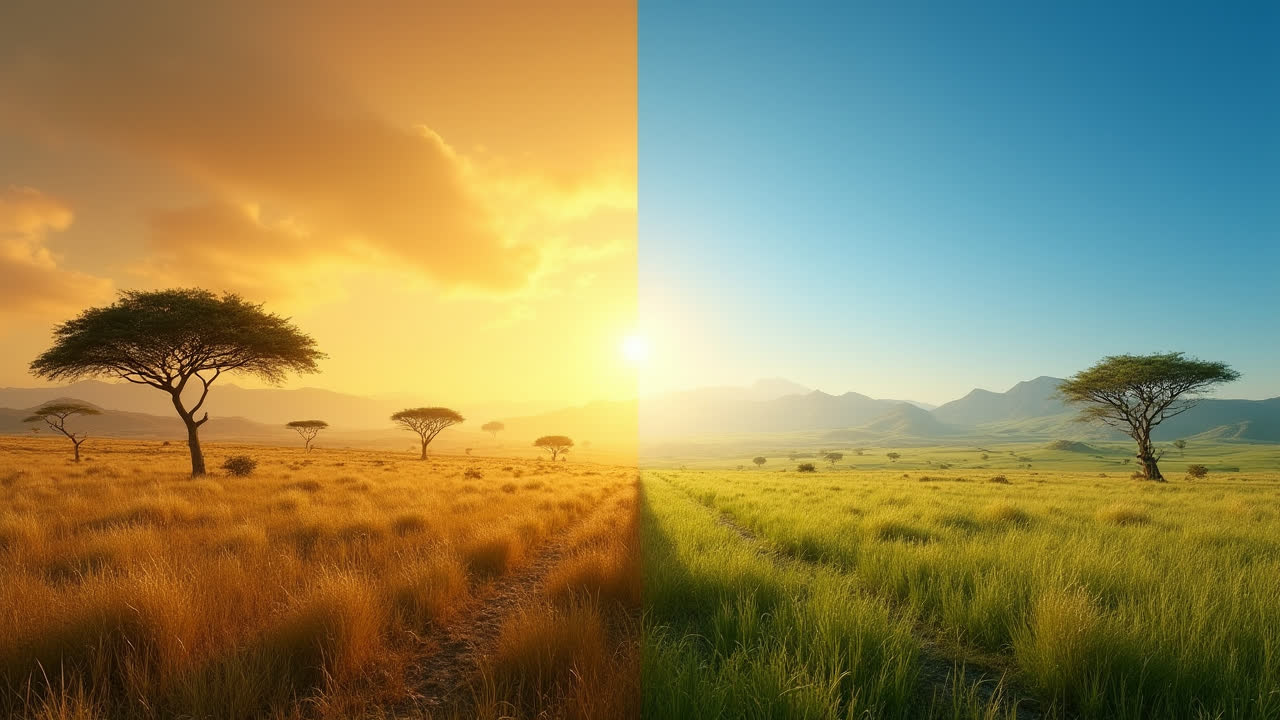
The most fundamental difference is simple yet significant: savannas have scattered trees across their landscape, while grasslands typically lack trees entirely. But that's just the beginning of how these two important ecosystems differ. Let's dive deeper into their unique characteristics and why understanding them matters for our planet's biodiversity.
Understanding Savanna Ecosystems
Savannas, often called "tropical grasslands," are fascinating transitional zones that fall between lush rainforests and arid deserts. What makes them unique? It's their distinctive mix of grasses with scattered trees that don't form a continuous canopy. During my travels through Africa's savannas, I noticed how these trees stand like sentinels across the landscape, providing crucial shade and habitat for various species.
The climate in savannas is primarily humid and tropical, with defined wet and dry seasons that create a rhythm for the entire ecosystem. The annual rainfall is enough to support some tree growth but not enough to sustain a dense forest. I remember being caught in a sudden downpour while photographing a group of elephants in the Serengeti – these dramatic weather shifts are characteristic of savanna regions.
One surprising aspect of savannas is their soil composition. Despite their lush appearance during the wet season, savanna soils aren't particularly fertile. They typically contain clay-rich layers that don't hold nutrients well. This soil quality is one reason why trees grow sparsely rather than forming dense forests. Various types of savannas exist worldwide, including shrub savannas, bush savannas, and tree savannas, each with slight variations in vegetation density and species composition.
Geographically, savannas predominantly appear north and south of tropical rainforests near the equator. The most extensive savanna systems are found in Africa – the Serengeti being perhaps the most famous example. However, you'll also find significant savanna ecosystems in India, South America, and Australia. Each region's savanna has evolved unique adaptations to its specific climate patterns and geological history.
Exploring Grassland Ecosystems
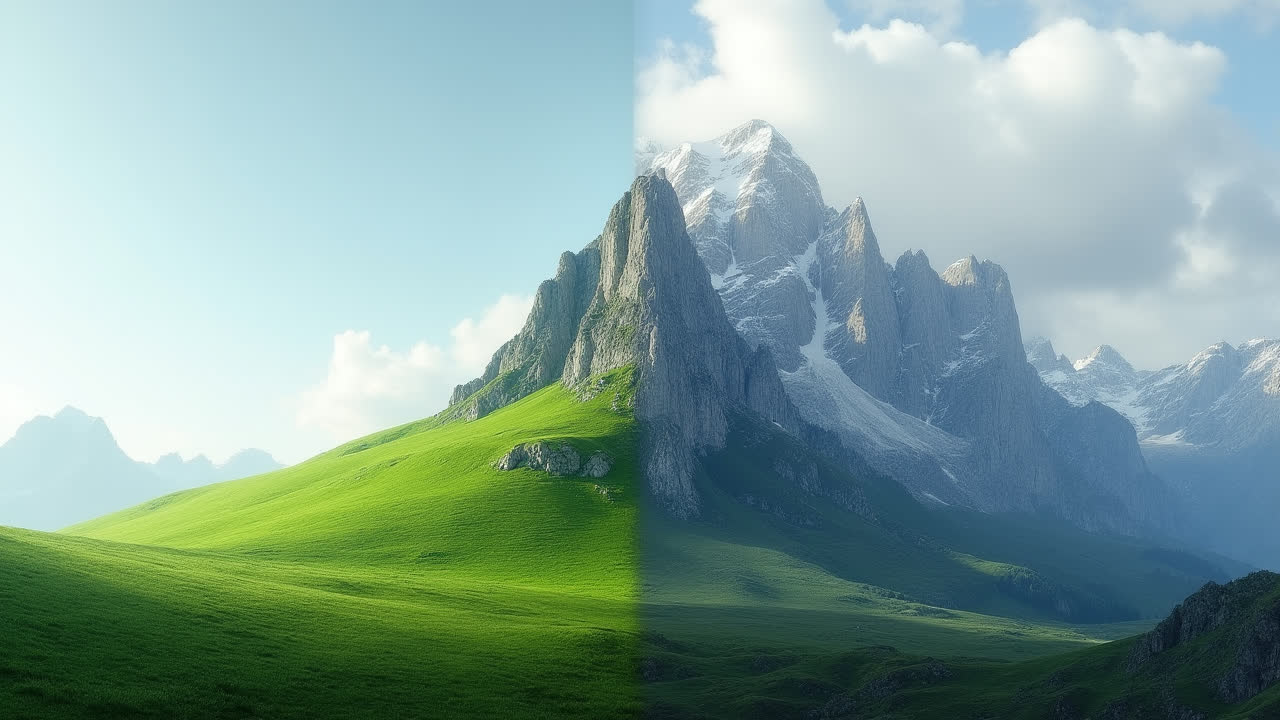
Grasslands present a starkly different picture compared to savannas, though both feature grasses as their dominant vegetation. The defining characteristic of true grasslands is the notable absence of trees. During my research trips across North American prairies, I was struck by the uninterrupted horizon – no trees breaking the endless sea of grasses swaying in the wind.
The climate in grassland regions tells an interesting story about why trees are so scarce. These areas typically receive moderate rainfall – enough to support grasses but insufficient for sustaining tree growth. What's particularly challenging for trees is the combination of seasonal drought conditions and extreme temperature fluctuations. I've experienced both blistering summer heat and bone-chilling winter conditions while studying grassland ecosystems in the American Midwest.
Interestingly, despite their relatively harsh conditions, grasslands boast remarkably fertile soils. The deep, rich, dark brown soil is one of the ecosystem's most valuable features. This fertility explains why many of the world's most productive agricultural regions were once natural grasslands. The soil owes its richness to the decomposition of grass roots and limited leaching of nutrients due to moderate rainfall.
Grasslands come in several varieties, including temperate grasslands (like the North American prairies), tropical grasslands (which overlap with savannas), flooded grasslands, montane grasslands, and even desert grasslands. Their global distribution differs significantly from savannas, with major grassland regions found across North America, Eurasia, Australia, and New Zealand. The seasonal patterns are often more extreme than in savannas, with hot summers and cold winters creating a challenging environment where only specialized plants and animals can thrive.
Key Differences Between Savanna and Grassland
While both ecosystem types might appear similar to the untrained eye, several critical factors distinguish savannas from grasslands. Understanding these differences helps us appreciate the unique ecological roles each plays and the different conservation approaches they require.
| Feature | Savanna | Grassland |
|---|---|---|
| Tree Presence | Scattered trees throughout the landscape | Generally treeless, dominated by grasses |
| Climate | Tropical with distinct wet and dry seasons | Variable climate with hot summers and cold winters |
| Soil Fertility | Less fertile, clay-rich soil | Highly fertile, dark brown soil |
| Rainfall | Moderate to high seasonal rainfall | Low to moderate rainfall |
| Geographic Distribution | Africa, India, South America, Australia | North America, Eurasia, Australia, New Zealand |
| Temperature Fluctuation | Relatively consistent throughout the year | Extreme fluctuations between seasons |
| Vegetation Density | Mixed grass and scattered woody vegetation | Dense grass coverage with minimal woody plants |
| Ecological Classification | Often classified as "tropical grassland" | Various classifications (temperate, montane, etc.) |
Ecological Importance and Conservation Challenges
Both savannas and grasslands serve crucial ecological functions that often go underappreciated. These ecosystems act as carbon sinks, help regulate water cycles, and support unique biodiversity. I've spent countless hours documenting the diverse species that call these habitats home – from the iconic African wildlife of the savannas to the specialized bird species of North American prairies.
Unfortunately, both ecosystem types face significant threats in today's world. Agricultural conversion has claimed vast areas of natural grasslands due to their fertile soils. During my drive through the American Midwest, I couldn't help but feel a sense of loss knowing that less than 1% of the original tallgrass prairie remains. Similarly, savannas face threats from unsustainable grazing practices, climate change, and inappropriate fire management regimes.
Conservation efforts for these ecosystems require different approaches. Grassland conservation typically focuses on soil management, controlled grazing, and restoration of native grass species. Savanna conservation, meanwhile, must balance tree preservation with maintaining the open structure that defines the ecosystem. Both benefit from appropriate fire management – something indigenous peoples understood for thousands of years before modern conservation science caught up.
Climate change presents unique challenges for each ecosystem type. Savannas may face changing rainfall patterns that could either promote tree growth (potentially transforming them into forests) or reduce moisture availability (pushing them toward desertification). Grasslands face similar precipitation uncertainties along with temperature changes that could alter their growing seasons and species composition.
Human Interactions with Savannas and Grasslands
Throughout human history, both savannas and grasslands have played pivotal roles in our development. Early humans evolved in African savanna environments, and many anthropologists believe these open landscapes with scattered trees provided the perfect setting for our ancestors to develop bipedalism and tool use. Meanwhile, grasslands became the cradle of agriculture, with their fertile soils supporting the cultivation of cereal crops that formed the foundation of early civilizations.
Today, these ecosystems continue to support human communities in various ways. Pastoral societies across Africa still practice traditional livestock management in savanna regions, moving their herds seasonally to follow rainfall patterns. My conversations with Maasai herders revealed deep ecological knowledge passed down through generations about sustainable use of savanna resources.
In grassland regions, modern agriculture has largely replaced natural ecosystems, but there's growing recognition of the value of maintaining native grassland elements. Movements toward regenerative agriculture and native prairie restoration seek to balance productivity with ecological sustainability. I've visited several farms in the American Midwest that are implementing these practices, showing how we might better harmonize human needs with ecosystem preservation.
Tourism represents another important human interaction with these ecosystems, particularly for savannas. The African safari industry generates crucial revenue for conservation efforts while providing economic opportunities for local communities. When managed responsibly, this type of ecotourism can create powerful incentives for habitat protection. I still remember my guide in Kenya explaining how tourism dollars had transformed his village's attitude toward wildlife conservation.
Frequently Asked Questions
Can a savanna turn into a grassland or vice versa?
Yes, these ecosystems can transition between types under certain conditions. A savanna might become more like a grassland if tree populations decline due to fire, drought, disease, or human activity. Conversely, a grassland might develop more tree cover over time if fire suppression allows woody plants to establish, or if climate changes bring increased rainfall. These transitions typically occur over decades rather than years, though climate change may accelerate these processes in some regions.
Which ecosystem supports greater biodiversity - savannas or grasslands?
Generally, savannas support greater biodiversity than grasslands due to their more complex structure. The presence of trees creates additional niches and habitat options for wildlife. African savannas, in particular, host some of the most diverse mammal communities on Earth. However, this doesn't diminish the importance of grassland biodiversity - temperate grasslands can contain extraordinary diversity of plant species, insects, and specialized birds. Each ecosystem type has evolved unique species assemblages adapted to their specific conditions.
How does fire affect savanna and grassland ecosystems differently?
Fire plays a crucial but somewhat different role in each ecosystem. In savannas, periodic fires help maintain the balance between trees and grasses by preventing woody vegetation from becoming too dense. Adult trees typically survive these fires while competing vegetation is reduced. In grasslands, fire similarly prevents woody encroachment but also stimulates new grass growth and nutrient cycling. Many grassland plants have evolved to not only tolerate fire but actually require it for seed germination or removal of accumulated dead material. Both ecosystems face challenges when natural fire regimes are disrupted by human activity.
Conclusion
The differences between savannas and grasslands go far beyond the simple presence or absence of trees. These distinct biomes represent fascinating evolutionary responses to different climate conditions, soil types, and ecological pressures. From the scattered trees and clay soils of tropical savannas to the treeless expanses and rich soils of grasslands, each ecosystem offers unique ecological services and supports specialized communities of plants and animals.
Understanding these differences isn't just academic – it's essential for developing effective conservation strategies that preserve these critically important landscapes for future generations. Whether you're planning a safari adventure or simply appreciating the complex web of ecosystems that sustain our planet, the unique characteristics of savannas and grasslands deserve our attention and protection.