Saturated vs Supersaturated Solutions: Complete Guide & Key Differences
Understanding the Difference Between Saturated and Supersaturated Solutions
Ever wondered how rocks candy forms or why salt eventually stops dissolving in water? The answer lies in the fascinating world of saturated and supersaturated solutions. These two types of solutions might sound similar, but they have distinct characteristics that every chemistry student and curious mind should understand.
What Are Saturated Solutions? The Basics You Need to Know
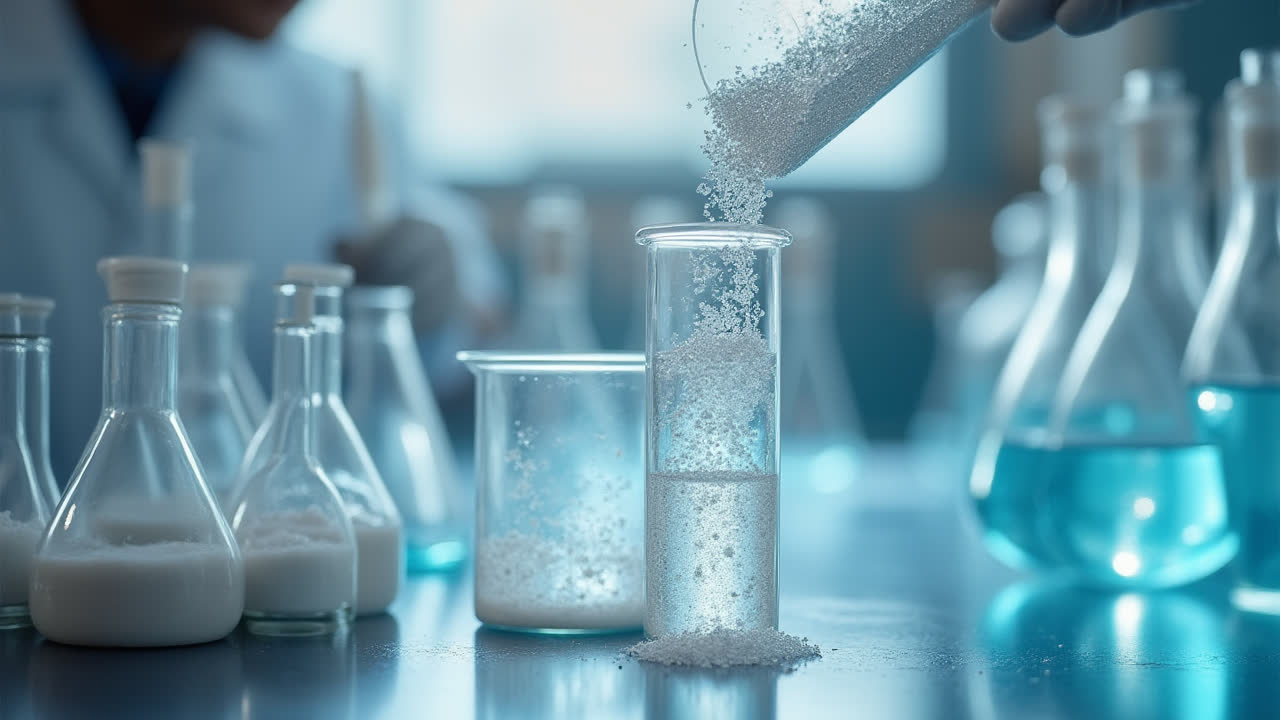
A saturated solution is essentially like a crowded elevator – it's reached its maximum capacity. In chemistry terms, it contains the maximum concentration of a solute that can be dissolved in a solvent at a specific temperature. No matter how much stirring you do, no more solute will dissolve.
Think of it like making a cup of tea. Add one, two, three teaspoons of sugar, and they all disappear into the liquid. But at some point, you'll notice sugar crystals sitting stubbornly at the bottom of your cup. Congratulations, you've just created a saturated solution! Here's what affects how much solute can dissolve:
- Temperature – The warmer the solvent, the more solute it can usually hold
- Polarity – Similar substances dissolve best (like dissolves like)
- Pressure – More pressure can force more solute into solution
- Surface area – Smaller particles dissolve faster than chunks
- Stirring – Helps solute particles spread evenly throughout the solvent
Supersaturated Solutions: When Solutions Defy the Odds
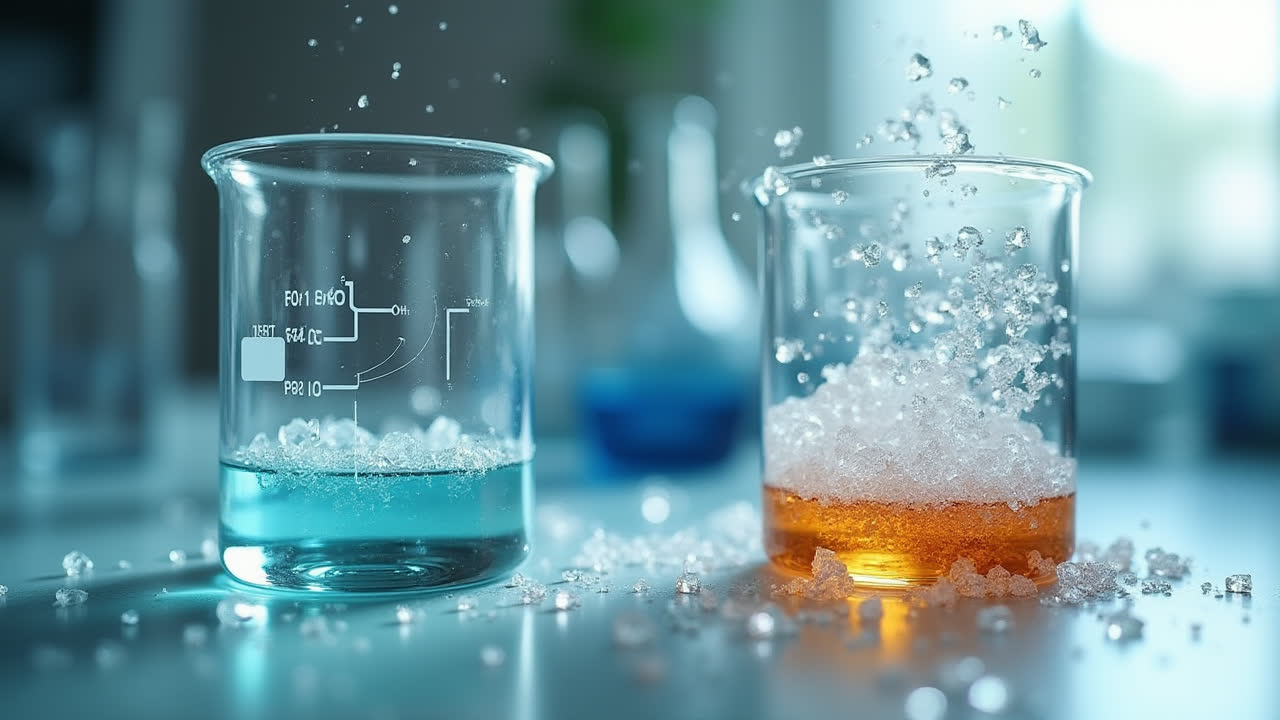
Now, let's talk about the overachiever of the solution world – the supersaturated solution. This is where chemistry gets a bit magical. A supersaturated solution contains more dissolved solute than a saturated solution would typically hold at the same temperature. It's like cramming 20 people into an elevator meant for 10 – unstable, but temporarily possible.
Creating a supersaturated solution is like performing a delicate balancing act. You start with a heated solution that can hold extra solute, then cool it down so quickly that the excess solute doesn't have time to crystallize out. This process is used in making rock candy, where sugar-saturated water slowly cools to form those beautiful crystals. The temperature manipulation tricks the solution into holding more solute than it normally would.
Have you ever noticed how crystal formations can suddenly appear in a solution? That's often a supersaturated solution finally releasing its excess solute. It's chemistry's way of saying, "Enough is enough!" This instability makes supersaturated solutions both fascinating for experiments and useful in commercial applications.
Key Differences: Saturated vs Supersaturated Solutions Compared
| Feature | Saturated Solution | Supersaturated Solution |
|---|---|---|
| Solute Amount | Maximum capacity at given temperature | Exceeds normal maximum capacity |
| Stability | Stable at constant temperature | Unstable; prone to precipitation |
| Preparation | Add solute until no more dissolves | Heat to dissolve extra solute, then cool rapidly |
| Appearance | Clear with possible residue at bottom | Initially clear, may suddenly crystallize |
| Common Uses | Industrial processes, daily solutions | Crystal formation, candy making |
| Temperature Effect | Requires warming to dissolve more | Must be cooled carefully to maintain |
| Precipitation Behavior | Immediate with excess solute | Delayed until triggered |
| Practical Example | Salt water at room temperature | Rock candy solution |
Real-World Applications: Where Chemistry Meets Everyday Life
You might be surprised to learn how often you encounter these solutions in daily life. When you add salt to cooking water or sugar to your coffee, you're working with the principles of saturated solutions. The weather itself involves supersaturation concepts – clouds form when air becomes supersaturated with water vapor!
In industry, these concepts are crucial for everything from pharmaceutical manufacturing to beverage production. Crystal growing for semiconductors, making preserves, and even some cleaning products rely on understanding solution saturation. It's amazing how a simple chemistry concept influences so many aspects of our modern world, isn't it?
I once tried making homemade candy crystals as a kid, and it taught me more about supersaturation than any textbook could. The patience required to slowly cool the sugar solution without disturbing it was a lesson in both science and self-control! These hands-on experiences really bring chemistry to life.
Making Your Own: A Simple Demonstration
Want to see the difference yourself? Here's a quick experiment you can do at home. For a saturated solution, simply add salt to warm water until no more dissolves. For supersaturation, create a very hot sugar solution, then cool it in an ice bath while stirring constantly. Be patient – the magic happens slowly!
This difference might seem subtle, but it's the foundation for understanding how solutions behave in various conditions. Whether you're a student tackling chemistry homework or just someone curious about the science behind everyday phenomena, grasping these concepts opens doors to understanding more complex chemical processes.
Remember, chemistry isn't just about memorizing formulas – it's about understanding how substances interact. And sometimes, like with supersaturated solutions, the most interesting phenomena occur when we push systems beyond their typical limits. That's where innovation and discovery often begin!
Frequently Asked Questions
Can a supersaturated solution become saturated again?
Yes, a supersaturated solution can revert to a saturated state through precipitation. This happens when the excess dissolved solute crystallizes and settles out, typically triggered by disturbance, temperature changes, or the introduction of seed crystals. The solution will then contain only the maximum amount of solute it can hold at that temperature.
How do I know if my solution is saturated or supersaturated?
In a saturated solution, you'll see excess solute at the bottom that won't dissolve even with stirring. A supersaturated solution appears clear with no visible solute, but adding a seed crystal or disturbing it can cause sudden crystallization. The key difference is that supersaturated solutions are unstable and prone to precipitation, while saturated solutions remain stable at constant conditions.
What's the easiest way to make a supersaturated solution at home?
The easiest method is to heat water and dissolve more solute than would normally dissolve at room temperature, then cool the solution rapidly without disturbing it. Sugar water works well for this - dissolve excess sugar in boiling water, then transfer to an ice bath while stirring gently. The rapid cooling prevents immediate crystallization, creating a supersaturated state.
References:
- http://study.com/academy/lesson/saturated-solution-definition-examples
- http://study.com/academy/lesson/supersaturated-solution-definition-exa
- https://en.wikipedia.org/wiki/Supersaturation
- http://chem.libretexts.org/Core/Physical_and_Theoretical_Chemistry/Equ
- https://commons.wikimedia.org/w/index.php?curid=18108173
- https://commons.wikimedia.org/w/index.php?curid=19228434