Reversible vs Irreversible Cell Injury: Complete Guide
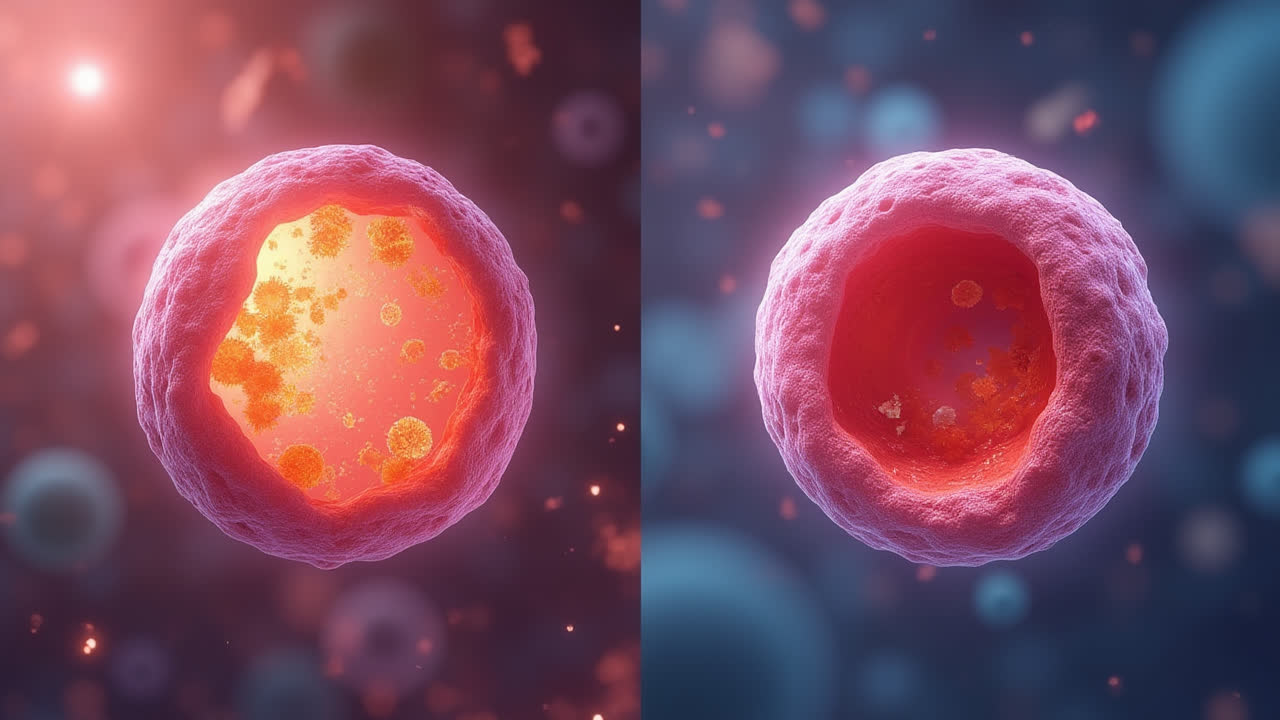
Cell injury is a fundamental concept in pathology that helps us understand how cells respond to various stressors and damaging agents. When cells face harmful stimuli, they undergo changes that can either be temporary or permanent. Understanding the distinction between reversible cell injury and irreversible cell injury is crucial not only for medical students but also for healthcare professionals dealing with various pathological conditions.
The human body consists of trillions of cells, each maintaining a delicate balance called homeostasis. When this balance is disrupted, cells may experience injury. Some cells can bounce back from this injury—returning to their normal state—while others cross a point of no return, leading to cell death. This fundamental difference forms the basis of our discussion today.
Have you ever wondered what happens at the cellular level when your finger gets pinched or when you experience a more serious trauma? The answer lies in understanding these two types of cellular injuries and their distinct characteristics.
What Is Reversible Cell Injury?
Reversible cell injury occurs when cells experience damage but haven't reached the "point of no return." These cells still maintain the capacity to recover and return to their normal functional state once the injurious stimulus is removed. Think of it as your phone overheating—once you turn it off and let it cool down, it functions normally again.
During reversible injury, cells undergo structural and functional alterations that are still compatible with survival. The cell's adaptive mechanisms kick in to counteract the damaging effects. These adaptations include cellular swelling and fatty change, which are visible under a light microscope and serve as diagnostic hallmarks of reversible injury.
I once observed this process in a laboratory setting where liver cells exposed to mild hypoxia (oxygen deprivation) showed classic signs of reversible injury. The fascinating part was watching these cells gradually return to normal once oxygen was reintroduced. It's like witnessing a microscopic resurrection!
Characteristics of Reversible Cell Injury
Reversible cell injury typically manifests through several observable changes at the cellular level. These changes represent the cell's attempts to adapt to adverse conditions while maintaining essential functions:
- Cellular Swelling - Also known as hydropic change, this is often the first sign of injury. Cells become unable to maintain ionic and fluid balance, resulting in water accumulation within the cytoplasm.
- Fatty Change - Characterized by the accumulation of lipid vacuoles in the cytoplasm, particularly in cells that metabolize fat such as liver cells (hepatocytes) and heart muscle cells (myocardial cells).
- Reduced ATP production due to mitochondrial dysfunction
- Detachment of ribosomes from endoplasmic reticulum
- Plasma membrane alterations, including blebbing and distortion of microvilli
- Chromatin clumping in the nucleus
These changes, while significant, are still compatible with recovery if the damaging stimulus is removed in time. It's worth noting that the cell's ability to recover depends largely on the type, duration, and severity of the injury, as well as the cell's own resilience and metabolic capacity.
What Is Irreversible Cell Injury?
Irreversible cell injury represents a point of no return for the affected cells. Once cells cross this threshold, they are committed to die regardless of whether the injurious stimulus is removed. Using our earlier analogy, this would be like a phone that's been completely submerged in water for hours—no amount of drying will bring it back to life.
The transition from reversible to irreversible injury typically occurs when cells can no longer maintain membrane integrity, experience severe mitochondrial damage, or suffer massive calcium influx. These events trigger a cascade of destructive processes that ultimately lead to cell death through either necrosis or apoptosis.
During my pathology rotation, I witnessed the devastating effects of prolonged ischemia on heart tissue. The cells that had been deprived of oxygen for an extended period showed clear signs of irreversible damage—a stark reminder of how critical timely intervention is in conditions like myocardial infarction.
Manifestations of Irreversible Cell Injury
Irreversible cell injury is characterized by more severe and permanent changes that ultimately result in cell death. These manifestations include:
- Necrosis - A form of cell death characterized by cell swelling, rupture, and release of cellular contents, triggering inflammation
- Apoptosis - Programmed cell death that involves cell shrinkage, chromatin condensation, and formation of apoptotic bodies
- Severe mitochondrial damage, including rupture and release of cytochrome c
- Lysosomal membrane damage and enzyme leakage
- Extensive plasma membrane damage
- Nuclear dissolution (karyolysis) or fragmentation (karyorrhexis)
Once these changes occur, the cell can no longer recover, even if the original injury is addressed. The body then initiates processes to remove the dead cells and, if possible, replace them through regeneration or repair mechanisms.
Key Differences Between Reversible and Irreversible Cell Injury
Understanding the distinctions between these two types of cell injury is crucial for diagnosing pathological conditions and determining appropriate interventions. Let's examine the key differences through a comprehensive comparison:
| Characteristic | Reversible Cell Injury | Irreversible Cell Injury |
|---|---|---|
| Recovery Potential | Can return to normal state if stimulus is removed | Cannot recover regardless of intervention |
| Duration and Severity | Short-acting and sub-lethal | Long-lasting and lethal |
| Primary Manifestations | Cellular swelling and fatty change | Necrosis and apoptosis |
| Common Causes | Mild hypoxia, metabolic derangements, mild toxin exposure | Severe ischemia, prolonged toxin exposure, viral infections, immunological reactions |
| Mitochondrial Changes | Swelling and reduced ATP production | Rupture and release of pro-apoptotic factors |
| Membrane Integrity | Maintained with minor alterations | Extensively damaged or completely disrupted |
| Cellular Response | Adaptive mechanisms attempt to restore homeostasis | Death pathways activated (necrotic or apoptotic) |
| Treatment Approach | Removal of cause and supportive measures can lead to recovery | Focus on limiting spread and managing tissue loss |
Cellular Mechanisms and Pathways
The distinction between reversible and irreversible cell injury isn't merely academic—it's rooted in specific cellular mechanisms and biochemical pathways. Understanding these processes helps explain why some injuries can be reversed while others lead inevitably to cell death.
Mechanisms of Reversible Injury
Reversible cell injury typically involves several key mechanisms that disrupt normal cellular function without causing permanent damage:
- ATP Depletion - Reduced energy production affects ion pumps, protein synthesis, and other energy-dependent processes.
- Mitochondrial Dysfunction - Altered membrane permeability and reduced oxidative phosphorylation.
- Calcium Dysregulation - Mild to moderate increases in cytosolic calcium activate various enzymes.
- Free Radical Formation - Moderate oxidative stress damages cell components but remains manageable.
- Membrane Alterations - Changes in membrane fluidity and receptor function while maintaining basic integrity.
These mechanisms represent a state of cellular stress that can be overcome if the injury is addressed promptly. The cell's intrinsic repair mechanisms can restore normal function once the damaging stimulus is removed.
Pathways to Irreversible Injury
The transition from reversible to irreversible injury involves several critical events that commit the cell to death:
- Mitochondrial Permeability Transition - Opening of mitochondrial pores leads to complete collapse of membrane potential and cessation of ATP production.
- Massive Calcium Influx - Overwhelming calcium levels activate destructive enzymes like phospholipases, proteases, and endonucleases.
- Extensive Membrane Damage - Lipid peroxidation and cytoskeletal disruption compromise membrane integrity.
- Lysosomal Rupture - Release of hydrolytic enzymes that digest cellular components.
- Activation of Death Pathways - Initiation of either necrotic processes or apoptotic cascades involving caspases.
Once these pathways are fully activated, the cell crosses the "point of no return" and is committed to die, regardless of subsequent interventions. The specific mode of death—whether necrosis or apoptosis—depends on various factors including the nature of the injury and the cell's energy status.
Clinical Significance and Implications
The concepts of reversible and irreversible cell injury have profound implications for clinical medicine, from diagnosis to treatment strategies. Understanding these processes helps clinicians interpret pathological findings and make informed decisions about patient care.
Diagnostic Applications
The hallmarks of cell injury serve as important diagnostic indicators in pathology. Cellular swelling and fatty change suggest reversible injury, while features of necrosis or apoptosis indicate irreversible damage. These findings help clinicians assess the extent of tissue damage and the potential for recovery.
For instance, in liver biopsies, the presence of steatosis (fatty change) without evidence of cell death suggests a potentially reversible condition, whereas extensive necrosis indicates more severe liver damage with poorer prognosis. Similarly, in myocardial infarction, distinguishing between reversibly injured "stunned" myocardium and irreversibly damaged necrotic tissue is crucial for predicting recovery of cardiac function.
Therapeutic Considerations
The distinction between reversible and irreversible injury directly informs treatment approaches. For reversible injuries, the focus is on removing the injurious stimulus and supporting cellular recovery. This might involve restoring oxygen supply in hypoxic conditions, neutralizing toxins, or correcting metabolic abnormalities.
In contrast, when dealing with irreversible injury, treatment strategies shift toward limiting the extent of damage, preventing complications, and promoting tissue repair. For example, in stroke management, the concept of the "ischemic penumbra"—reversibly injured tissue surrounding a core of irreversibly damaged cells—guides the use of reperfusion therapies within specific time windows.
I've seen this distinction make a real difference in emergency departments where quick decisions about thrombolytic therapy for stroke patients hinge on the understanding that some brain cells may still be in a state of reversible injury if treated promptly.
Frequently Asked Questions
What are the earliest signs of reversible cell injury that can be detected?
The earliest detectable signs of reversible cell injury include cellular swelling (hydropic change), the appearance of small, clear vacuoles in the cytoplasm, and distended segments of endoplasmic reticulum. At the ultrastructural level, early changes include plasma membrane blebbing, mitochondrial swelling, and the detachment of ribosomes from rough endoplasmic reticulum. These changes reflect the cell's compromised ability to maintain ion balance and energy production but are still compatible with recovery if the injurious stimulus is removed promptly. Modern techniques like electron microscopy and specialized staining methods allow pathologists to identify these changes before they progress to irreversible injury.
Can all cell types recover equally well from reversible injury?
No, the capacity for recovery from reversible injury varies significantly among different cell types. Cells with high regenerative capacity, such as epithelial cells of the skin, intestinal mucosa, and liver (hepatocytes), can recover relatively well from reversible injury. In contrast, permanently differentiated cells with limited or no regenerative capacity, such as neurons and cardiac muscle cells (cardiomyocytes), have much poorer recovery potential. This difference is partly explained by the varying metabolic demands, energy reserves, and repair mechanisms available to different cell types. Additionally, some cells possess more robust antioxidant systems and stress response pathways that enhance their resilience to injury. This differential recovery potential explains why certain tissues (like brain and heart) are particularly vulnerable to permanent damage from even relatively brief periods of ischemia.
How do modern treatments target the mechanisms of cell injury?
Modern treatments increasingly target specific mechanisms underlying cell injury to prevent progression from reversible to irreversible damage. Antioxidant therapies aim to neutralize reactive oxygen species and prevent oxidative damage to cellular components. Calcium channel blockers help maintain calcium homeostasis, preventing the massive calcium influx associated with irreversible injury. Mitochondrial-targeted therapies focus on preserving mitochondrial function and preventing the mitochondrial permeability transition that marks the point of no return. In ischemia-reperfusion scenarios, controlled reperfusion strategies and ischemic preconditioning techniques help minimize additional damage that can occur when blood flow is restored. Additionally, anti-inflammatory agents may be used to modulate the inflammatory response that often accompanies cell injury. These mechanism-based approaches represent a significant advance over purely symptomatic treatments and hold promise for improving outcomes in conditions ranging from stroke and myocardial infarction to toxic liver injury.
Conclusion
The distinction between reversible and irreversible cell injury represents a fundamental concept in understanding disease processes at the cellular level. Reversible injury offers hope for recovery through appropriate and timely interventions, while irreversible injury marks a point of no return, necessitating different therapeutic approaches focused on damage limitation and tissue repair.
The morphological and biochemical features that differentiate these two types of injury provide valuable diagnostic information and guide clinical decision-making. As our understanding of the molecular mechanisms underlying cell injury continues to evolve, so too will our ability to develop targeted therapies that can prevent the progression from reversible to irreversible injury.
In my years studying pathology, I've come to appreciate how this seemingly academic distinction has real-world implications for patients. The difference between cells that can be saved and those that cannot often determines the difference between recovery and permanent disability—or even life and death.
Whether you're a medical student, healthcare professional, or simply someone interested in understanding how our bodies respond to injury, recognizing the critical differences between reversible and irreversible cell injury provides essential insights into the fascinating world of cellular pathology.