Potassium vs Potassium Gluconate: 6 Essential Differences Explained
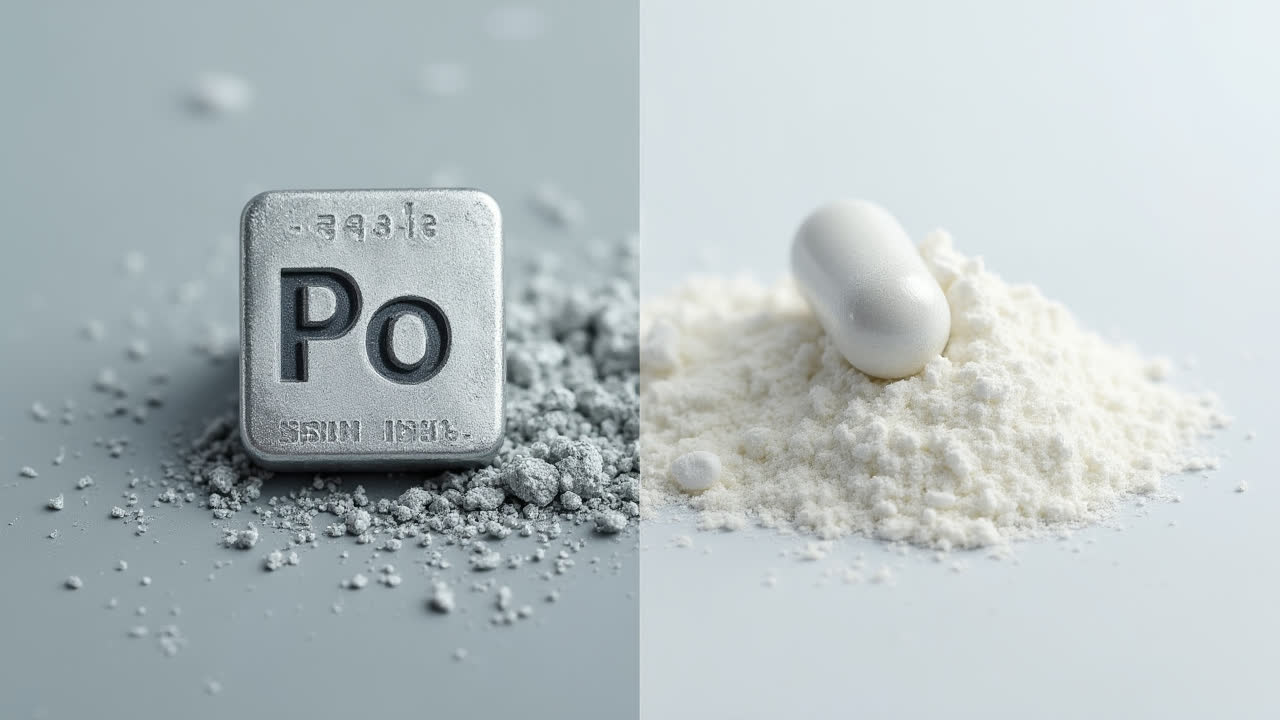
Understanding the difference between potassium and potassium gluconate can be crucial for those interested in nutrition supplements or studying chemistry. As essential elements in our bodies, these compounds play vital roles in our health, but they are structurally and functionally distinct from each other. Have you ever wondered why some supplements contain potassium gluconate rather than elemental potassium?
Potassium is an alkali metal essential for both plant and animal life, while potassium gluconate is a specific compound containing potassium. In this comprehensive guide, we'll explore their key differences, properties, and uses to help you understand which form might be better suited for different applications.
What is Potassium?
Potassium is a chemical element with the symbol K (from the Latin word 'kalium'). It's classified as an alkali metal and belongs to group 1 of the periodic table. Sir Humphry Davy first isolated potassium in 1807 through the electrolysis of molten potassium hydroxide (KOH). In its pure form, potassium appears as a soft, silvery-white metal with a remarkably low melting point of approximately 63.5°C.
As the seventh most abundant element on Earth, potassium exists widely in nature. However, because elemental potassium is highly reactive with water and oxygen, it's rarely found in its pure metallic state in nature. Instead, it's typically found in water-insoluble rocks and sediments, making direct extraction challenging. Commercial potassium compounds are often obtained through the electrolysis of certain minerals like carnallite.
At the atomic level, potassium has one electron in its outermost shell, which it readily loses to form the monovalent K+ ion. This property makes potassium highly reactive, particularly with non-metals, forming ionic bonds through electrostatic attractions. You can find solubilized K+ ions in seawater and other salty water sources.
Potassium naturally exists as three isotopes, with potassium-39 being the most abundant (comprising about 93.3% of natural potassium). The other two isotopes are potassium-41 and the radioactive potassium-40. Despite its radioactivity, potassium-40 poses minimal health risks due to its low concentration in natural potassium.
What is Potassium Gluconate?
Potassium gluconate is a specific potassium salt formed from the reaction between potassium and gluconic acid. Technically, it's the potassium salt of the conjugate base of gluconic acid. You might also see it referred to as D-gluconic acid potassium salt or potassium D-gluconate in scientific literature and on supplement labels.
This compound exists as a solid crystalline substance that appears white to yellowish-white. Unlike elemental potassium, potassium gluconate has a significantly higher melting point of approximately 175°C. Its molecular formula is C6H11KO7, indicating that each molecule contains one potassium ion bonded to a gluconate anion.
An interesting fact about potassium gluconate is that it contains about 16.69% potassium by weight. In this compound, the potassium ion (K+) forms an ionic bond with the gluconate anion, replacing the hydrogen atom from the hydroxyl group of gluconic acid. Since gluconic acid is a carboxylic acid, the K+ ion attaches to the oxygen atom of the hydroxyl group.
In supplement form, potassium gluconate is commonly sold as capsules, tablets, or bulk powder. It's generally considered to have good bioavailability, making it an effective way to supplement potassium in the diet. Additionally, potassium gluconate can function as a sequestrant, binding to metal ions in various applications including food production and pharmaceuticals.
Key Differences Between Potassium and Potassium Gluconate
Now that we've explored the basic characteristics of both substances, let's dive into their main differences. Understanding these distinctions can help you make informed decisions about which form might be more appropriate for specific needs, whether for educational purposes, industrial applications, or nutritional supplementation.
| Characteristic | Potassium | Potassium Gluconate |
|---|---|---|
| Definition | A chemical element from group 1 of the periodic table | The potassium salt of gluconic acid's conjugate base |
| Chemical Structure | Pure element (K) | Compound with formula C6H11KO7 |
| Physical Appearance | Soft, silvery-white metal | White to yellowish-white crystalline solid |
| Melting Point | Approximately 63.5°C | Approximately 175°C |
| Electron Configuration | One unpaired electron in outermost shell | No unpaired electrons (K+ ion) |
| Reactivity | Highly reactive with water and oxygen | Stable compound, less reactive |
| Primary Uses | Production of chemical compounds | Dietary supplement and sequestrant |
| Potassium Content | 100% potassium | Approximately 16.69% potassium by weight |
Biological Importance and Health Benefits
Both plants and animals require potassium for various biological functions. In plants, potassium plays a crucial role in photosynthesis, water regulation, and enzyme activation. For humans and other animals, potassium serves as the primary inorganic cation within cells, making it essential for maintaining proper fluid balance, nerve transmission, and muscle contraction.
The human body typically contains about 140g of potassium, with approximately 98% located inside cells. This high intracellular concentration creates an electrochemical gradient across cell membranes that's vital for nerve function, muscle contraction, and heart rhythm regulation. Potassium also helps maintain proper pH balance and supports proper kidney function.
Dietary potassium comes from various foods, particularly fruits like bananas and oranges, vegetables such as potatoes and spinach, legumes, and nuts. When dietary intake is insufficient, potassium supplements may be recommended. This is where potassium gluconate often enters the picture, as it's one of several forms of potassium used in dietary supplements.
Unlike elemental potassium, which would be dangerous to consume due to its violent reaction with water, potassium gluconate provides a safe, bioavailable form of potassium that the body can easily absorb and utilize. The gluconate component actually helps with absorption while reducing the potential for gastrointestinal irritation that can occur with some other potassium salts.
It's worth noting that while potassium is essential for health, excessive amounts can be toxic. The kidneys play a crucial role in regulating potassium levels, and people with kidney disorders often need to carefully monitor their potassium intake. Always consult with a healthcare provider before beginning any supplement regimen, especially with minerals like potassium that can interact with medications and medical conditions.
Frequently Asked Questions
Is potassium gluconate better absorbed than other potassium supplements?
Potassium gluconate is generally well-absorbed by the body and is often considered gentler on the digestive system compared to some other potassium salts like potassium chloride. The gluconate form provides a more stable release of potassium ions, which can reduce the likelihood of gastrointestinal discomfort. However, absorption rates can vary based on individual factors, and different forms may be recommended for specific health conditions.
Why can't we just take elemental potassium as a supplement?
Elemental potassium is a highly reactive metal that reacts violently with water, including bodily fluids. Taking pure potassium would be extremely dangerous as it would react explosively with moisture in the mouth, throat, and digestive system, potentially causing severe burns and other serious injuries. For safety and effective absorption, potassium is always provided in supplement form as a compound like potassium gluconate, potassium citrate, or potassium chloride.
How much potassium do we need daily, and can potassium gluconate supplements help reach this target?
The recommended daily intake of potassium for adults is approximately 2,500-3,000mg for women and 3,000-3,400mg for men. Potassium gluconate supplements can help bridge dietary gaps, but they typically provide relatively small amounts of potassium per dose (around 90-99mg of elemental potassium per 595mg tablet of potassium gluconate). Most healthcare professionals recommend obtaining potassium primarily from food sources like fruits, vegetables, and legumes whenever possible, reserving supplements for situations where dietary intake is insufficient or where increased potassium is medically necessary.
Conclusion
Understanding the difference between potassium and potassium gluconate provides valuable insights into both chemistry and nutrition. While potassium is an essential alkali metal element with one electron in its outermost shell, potassium gluconate is a specific compound where potassium exists as an ion (K+) bonded to a gluconate anion.
Their physical properties differ significantly, with elemental potassium being a reactive, low-melting-point metal, while potassium gluconate exists as a stable, crystalline solid with a higher melting point. In terms of applications, pure potassium is primarily used to create various chemical compounds, whereas potassium gluconate serves as a dietary supplement and sequestrant.
For those considering potassium supplementation, potassium gluconate offers a safe, bioavailable option that avoids the dangers associated with elemental potassium. However, as with any supplement, it's always advisable to consult with a healthcare professional before beginning a new regimen, especially if you have kidney issues or take medications that might interact with potassium.
The next time you see potassium gluconate listed on a supplement label, you'll have a clearer understanding of what it is and how it differs from the elemental potassium you might remember from chemistry class. This knowledge empowers you to make more informed decisions about your health and nutrition.