Phenotypic Plasticity vs Adaptation: Understanding Key Differences
Phenotypic Plasticity vs Adaptation: Understanding Key Differences
When organisms face environmental challenges, they have different mechanisms to respond and survive. Two of the most fascinating biological processes that help species thrive in changing environments are phenotypic plasticity and adaptation. While both processes enable organisms to adjust to their surroundings, they operate through fundamentally different mechanisms and timeframes. Have you ever wondered how some species can rapidly change in response to environmental conditions while others take generations to adapt?
Understanding the distinction between phenotypic plasticity and adaptation is crucial for grasping how evolution works and how organisms cope with environmental challenges. This article explores the key differences between these two biological phenomena, their evolutionary significance, and their role in species survival.
What is Phenotypic Plasticity?
Phenotypic plasticity refers to the ability of individual organisms with the same genotype to produce different phenotypes when exposed to different environmental conditions. In simpler terms, it's the capacity of a single genetic makeup to express various physical or behavioral traits depending on external factors. This remarkable flexibility allows organisms to adjust to their environment without changing their genetic code.
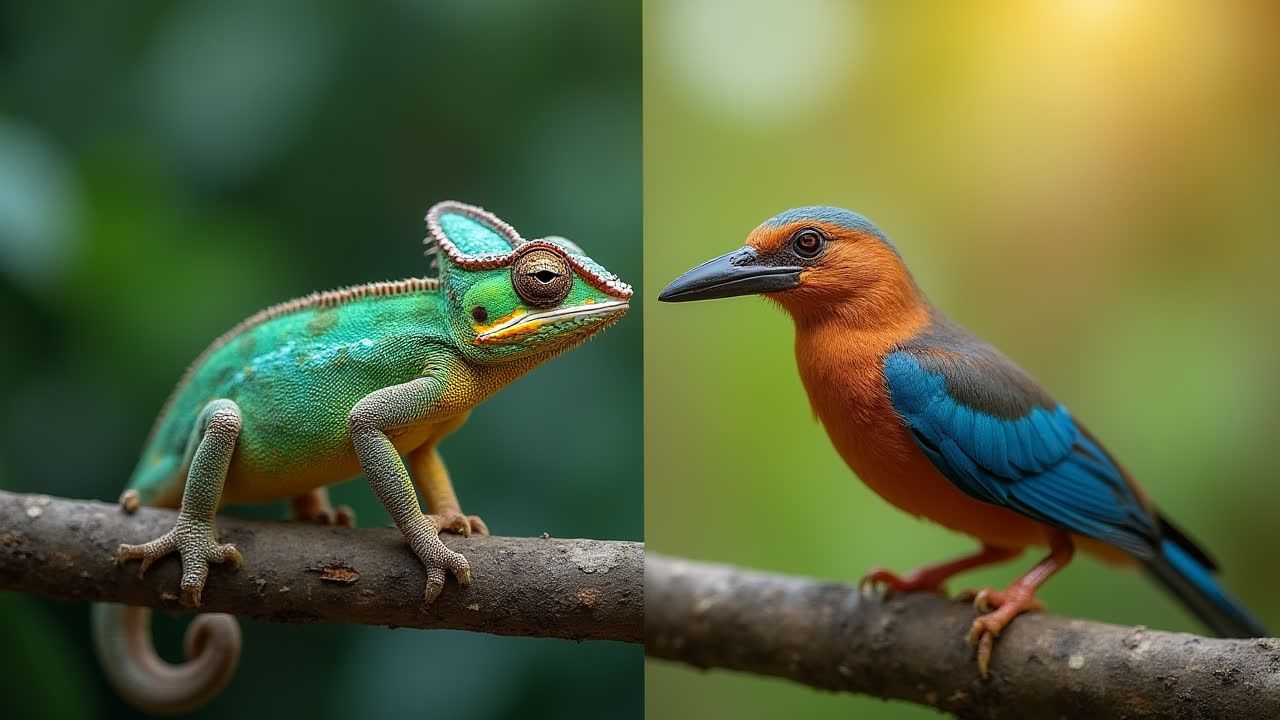
When environmental conditions change, phenotypic plasticity enables rapid responses within an individual's lifetime. For example, plants may develop different leaf shapes or sizes depending on light exposure, predator-induced changes in prey morphology might occur, or animals might change their coloration based on seasonal variations. These changes don't modify the organism's DNA but rather alter how genes are expressed.
One classic example of phenotypic plasticity is found in water fleas (Daphnia). When predators are detected in their environment, these tiny crustaceans can develop protective "helmets" and spines that make them more difficult to consume. Remarkably, these defensive structures develop only when needed, based on chemical cues in the water. The same genetic individual can produce dramatically different body forms depending on whether predators are present or absent.
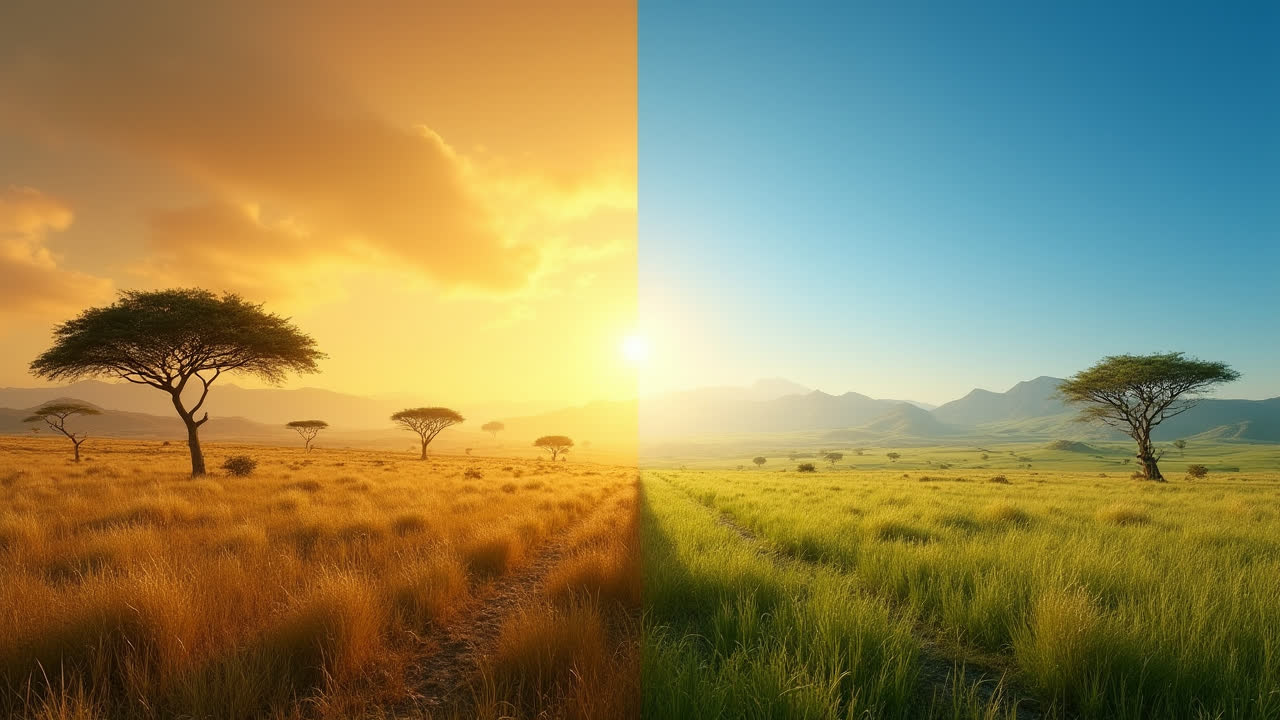
Another fascinating example occurs in some butterfly species that exhibit seasonal polyphenism. Depending on the season in which they develop, caterpillars with identical genetic makeup can produce strikingly different adult butterflies. The wet-season form might be brightly colored, while the dry-season form may be camouflaged to match brown, dry vegetation. These distinct forms arise from the same genes being expressed differently in response to environmental cues like temperature or day length.
What is Adaptation?
Adaptation, by contrast, is a dynamic evolutionary process that involves genetic changes across generations. It occurs through natural selection, where individuals with beneficial genetic traits are more likely to survive and reproduce, passing those advantageous genes to their offspring. Unlike phenotypic plasticity, adaptation involves actual changes to the genetic makeup of a population over time.
The process of adaptation typically unfolds over many generations as genetic variations that enhance survival and reproduction become more common in the population. This genetic differentiation results in organisms becoming better suited to their specific environment. It's important to note that adaptation happens at the population or species level, not within individual organisms.
A classic example of adaptation is the evolution of antibiotic resistance in bacteria. When exposed to antibiotics, most bacteria die, but those with genetic mutations that provide resistance survive and reproduce. Over generations, the bacterial population evolves as the frequency of resistance genes increases. This represents true genetic adaptation rather than phenotypic plasticity.
Another well-documented case of adaptation is the evolution of beak shapes in Darwin's finches. Different species evolved distinct beak sizes and shapes that are specialized for particular food sources available on different Galapagos islands. These adaptations occurred through natural selection over many generations as birds with beaks better suited to local food sources survived and reproduced more successfully than others.
Key Differences Between Phenotypic Plasticity and Adaptation
| Characteristic | Phenotypic Plasticity | Adaptation |
|---|---|---|
| Definition | Ability of a single genotype to produce different phenotypes in different environments | Process of genetic change by which organisms become better suited to their environment |
| Genetic Change | No change in genetic material | Involves changes in gene frequency in a population |
| Timeframe | Occurs within an individual's lifetime | Occurs over multiple generations |
| Level of Operation | Operates at the individual level | Operates at the population or species level |
| Mechanism | Gene expression changes without DNA sequence alteration | Natural selection of beneficial genetic variants |
| Reversibility | Often reversible if environmental conditions change | Generally not reversible in the short term |
| Response Speed | Relatively rapid response to environmental changes | Relatively slow, requiring multiple generations |
| Examples | Seasonal color changes, predator-induced defenses, temperature acclimation | Antibiotic resistance, peppered moth coloration, Darwin's finches |
The Evolutionary Significance of Both Processes
While phenotypic plasticity and adaptation represent different mechanisms, both play crucial roles in evolution and species survival. These processes aren't mutually exclusive—they often work together in fascinating ways to help organisms navigate changing environments. In fact, the relationship between plasticity and adaptation represents an exciting frontier in evolutionary biology research.
Phenotypic plasticity can provide an immediate survival advantage in rapidly changing environments. When conditions shift faster than genetic adaptation can occur, plasticity allows organisms to respond quickly. This immediate response can be crucial for survival, essentially buying time for genetic adaptations to emerge through natural selection. Some researchers suggest that plasticity might even facilitate adaptive evolution by allowing organisms to persist in new environments long enough for genetic adaptations to develop.
Adaptive plasticity refers to plastic responses that improve fitness in specific environments. Over time, genes that regulate these beneficial plastic responses may be favored by natural selection, potentially leading to genetic assimilation. This fascinating process occurs when traits that were once environmentally induced (plastic) become genetically fixed in a population. The boundary between plasticity and adaptation can sometimes blur in this evolutionary dance.
Interestingly, the capacity for phenotypic plasticity itself can be subject to natural selection. In highly variable environments, we might expect selection to favor genotypes with greater plasticity. Conversely, in stable environments, we might expect selection to favor specialized genotypes with reduced plasticity. This evolutionary dynamic creates a complex relationship between these two biological processes.
Real-World Applications and Importance
Understanding phenotypic plasticity and adaptation has significant implications for conservation biology, agriculture, and medicine. As climate change accelerates, scientists are increasingly interested in predicting how species will respond. Will they adapt genetically, exhibit plastic responses, or fail to cope and face extinction? The answers have profound implications for biodiversity conservation efforts.
In agriculture, insights into crop plasticity can inform breeding programs and cultivation practices. Plants with greater plasticity might better withstand variable weather conditions, while adaptive traits might be selected for drought resistance or pest tolerance. Similarly, understanding phenotypic plasticity in agricultural pests helps predict how they might respond to control measures.
The medical field also benefits from knowledge about these processes. For instance, cancer researchers study how tumor cells exhibit phenotypic plasticity to evade treatment, while evolutionary biologists examine how pathogens adapt genetically to overcome antibiotics or vaccines. These insights guide the development of treatment strategies that account for both immediate plastic responses and longer-term genetic adaptations.
Climate change presents perhaps the most urgent context for understanding these processes. As environments change more rapidly than ever before, species with sufficient plasticity might initially cope better. However, the pace of change may exceed the capacity for genetic adaptation in many organisms. Conservation strategies increasingly consider both plastic responses and adaptive potential when identifying vulnerable species and designing protection measures.
Frequently Asked Questions
Can phenotypic plasticity lead to adaptation over time?
Yes, phenotypic plasticity can potentially facilitate adaptation through a process called genetic assimilation. This occurs when traits that initially appear due to environmental triggers (plasticity) eventually become genetically fixed in a population through natural selection. If a plastic response consistently improves fitness in a particular environment, genes that control or enhance this beneficial response may be favored by selection. Over generations, the trait may become expressed even without the environmental trigger, representing a shift from plasticity to genetic adaptation.
Is phenotypic plasticity always beneficial for organisms?
Not always. While phenotypic plasticity often helps organisms cope with environmental variability, it can sometimes be maladaptive or neutral. Developing and maintaining plastic responses typically requires energy and resources that could otherwise be allocated to growth or reproduction. In stable environments, highly plastic genotypes might be at a disadvantage compared to more specialized ones. Additionally, plastic responses might occasionally be "mistakes" that don't accurately match environmental conditions, especially if environmental cues are unreliable or if the organism encounters novel conditions outside its evolutionary history.
How might climate change affect the balance between plasticity and adaptation?
Climate change presents unique challenges for organisms because of both the rate and magnitude of environmental changes. In the short term, phenotypic plasticity may be crucial for survival as it allows immediate responses to changing conditions. Species with greater plasticity might initially fare better than those with limited plastic responses. However, if environmental changes exceed the range of conditions a species has experienced historically, plastic responses may be insufficient. Traditional genetic adaptation through natural selection typically requires multiple generations, which may be too slow for many species given the rapid pace of climate change. This mismatch between the rate of environmental change and the speed of genetic adaptation raises serious concerns about extinction risks. Conservation efforts increasingly focus on identifying and protecting both species with adaptive potential and those with beneficial plastic responses.
Conclusion
Phenotypic plasticity and adaptation represent two fundamental biological processes that enable organisms to cope with environmental challenges. While phenotypic plasticity allows individual organisms to respond rapidly to environmental changes without genetic alterations, adaptation involves genetic changes in populations over generations through natural selection.
The key difference lies in their mechanisms: phenotypic plasticity involves changes in gene expression without modifying the genetic code, while adaptation changes the genetic makeup itself. Plasticity operates quickly at the individual level, while adaptation unfolds more slowly at the population level. Both processes play crucial and complementary roles in evolution and species survival.
As we face unprecedented environmental changes due to human activities, understanding these processes becomes increasingly important. The interplay between phenotypic plasticity and genetic adaptation will largely determine which species thrive, which survive by the skin of their teeth, and which face extinction in our rapidly changing world. This knowledge not only deepens our understanding of evolution but also guides conservation efforts, agricultural practices, and medical interventions in our complex and dynamic biosphere.