Peptide vs Protein: Understanding the Key Differences and Similarities
What Are Peptides? Definition and Basic Structure
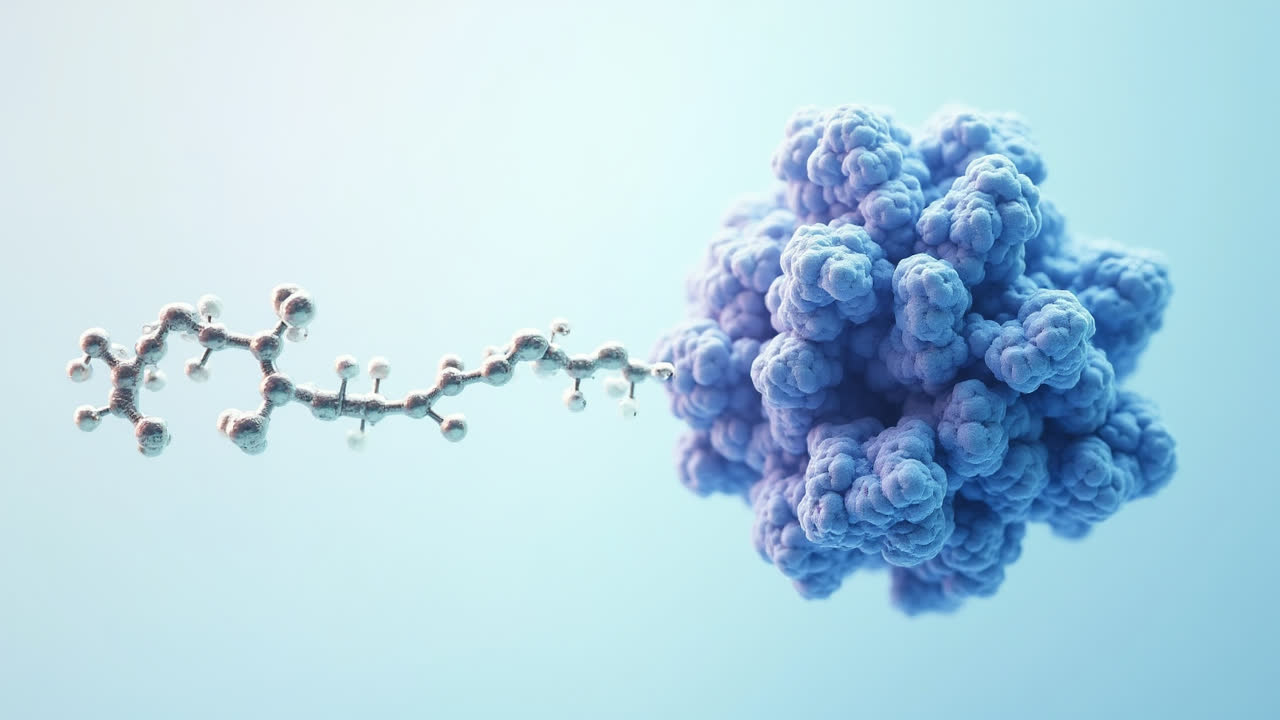
A peptide is essentially a short chain of amino acids linked together by peptide bonds. By definition, peptides contain fewer than 50 amino acids, making them smaller and simpler than proteins. The term comes from the Greek word "πεπτός" (peptós), meaning "digested," reflecting how these molecules often result from the breakdown of larger proteins.
Peptides can be further classified based on their size. Oligopeptides contain just 2-10 amino acids, while polypeptides typically have 10-50 amino acid residues. Despite their relatively simple structure, peptides maintain a linear chain configuration with a defined sequence that determines their specific biological activity.
The structure of peptides is primarily characterized by their primary sequence - the specific order of amino acids in the chain. Unlike proteins, most peptides don't fold into complex three-dimensional structures, although some can form simple secondary structures like alpha-helices or beta-sheets when they're longer. Have you ever wondered why some peptides can still have powerful biological effects despite their simplicity? The answer lies in their precise amino acid sequence, which allows them to interact with specific cellular receptors and molecules.
What Are Proteins? Definition and Complex Structure
Proteins are large, complex biomolecules consisting of one or more polypeptide chains, each containing more than 50 amino acids. As one of the four major types of biological macromolecules (alongside carbohydrates, lipids, and nucleic acids), proteins are the workhorses of cellular function and structure. The term "protein" comes from the Greek word "πρωτεῖος" (proteios), meaning "primary" or "of first importance," highlighting their fundamental role in living organisms.
What truly distinguishes proteins from peptides is their intricate structural organization. While peptides typically exist in a simple primary structure, proteins fold into complex three-dimensional conformations that enable their diverse functions. This folding occurs across four distinct levels of structural organization:
- Primary structure: The linear sequence of amino acids
- Secondary structure: Local folding patterns like alpha-helices and beta-sheets formed through hydrogen bonding
- Tertiary structure: The overall three-dimensional shape created by interactions between amino acid side chains
- Quaternary structure: The arrangement of multiple polypeptide chains into a functional protein complex
The folding process is driven by various forces including hydrogen bonding, ionic interactions, hydrophobic effects, and disulfide bridges. This complex architectural arrangement is not just impressive - it's essential for protein function. The specific three-dimensional shape of a protein determines how it interacts with other molecules, similar to how the shape of a key determines which lock it can open.
Functional Differences: What Roles Do They Play?
Despite being made of the same building blocks, peptides and proteins serve distinct biological functions due to their structural differences. Peptides primarily function as signaling molecules and regulators in the body. They often act as messengers, carrying information from one tissue to another, or as modulators of biological activity.
Some well-known examples of peptides include hormones like insulin (a 51-amino acid peptide that regulates blood glucose), endorphins (natural pain relievers), and various antimicrobial peptides that form part of the immune system. Many peptides act as neurotransmitters or neuromodulators in the brain, affecting everything from mood to appetite. I've always found it fascinating how something as simple as a small chain of amino acids can have such profound effects on our physiology!
Proteins, on the other hand, perform an incredibly diverse array of functions thanks to their complex structures. They serve as structural components (like collagen in skin or keratin in hair), enzymes that catalyze biochemical reactions, transport molecules (like hemoglobin that carries oxygen), immune system components (antibodies), and much more. Their intricate folding patterns allow for specific binding sites and catalytic centers that enable these sophisticated functions.
To put it simply: peptides typically regulate the activities of other molecules (especially proteins), while proteins themselves perform the majority of cellular work, serving as the main functional units in living organisms.
Comparative Analysis: Peptides vs Proteins
| Characteristic | Peptides | Proteins |
|---|---|---|
| Size | Shorter chains with fewer than 50 amino acids | Longer chains with more than 50 amino acids |
| Structural Complexity | Primarily linear with only primary structure (some may have simple secondary structures) | Complex 3D conformations with primary, secondary, tertiary, and often quaternary structures |
| Amino Acid Composition | Can contain both essential amino acids and other naturally occurring amino acids | Typically composed of the 20 standard amino acids |
| Molecular Weight | Lower molecular weight (typically < 10,000 Daltons) | Higher molecular weight (typically > 10,000 Daltons) |
| Bonding | Primarily peptide bonds between amino acids | Peptide bonds plus hydrogen bonds, disulfide bridges, ionic and hydrophobic interactions |
| Typical Functions | Signaling, regulation, hormone activity, neurotransmission | Structural support, enzymatic catalysis, transport, immune response, regulation |
| Stability | Generally less stable and more susceptible to degradation | More stable due to complex folding and structural reinforcement |
| Examples | Oxytocin, vasopressin, endorphins, enkephalins | Collagen, hemoglobin, antibodies, insulin, enzymes |
Synthesis and Formation in Biological Systems
The formation of both peptides and proteins in living organisms involves similar biochemical pathways, though with some distinct differences. Protein synthesis follows the central dogma of molecular biology: DNA is transcribed into messenger RNA (mRNA), which is then translated into a polypeptide chain by ribosomes. This process requires a complex machinery of ribosomes, transfer RNAs (tRNAs), and various enzymes and factors.
After translation, many proteins undergo post-translational modifications such as glycosylation, phosphorylation, or proteolytic cleavage. These modifications fine-tune the protein's function, stability, and targeting within the cell. The folding process, often assisted by chaperone proteins, is critical for the protein to achieve its functional three-dimensional structure.
Peptides, interestingly, can form through several different pathways. Some are directly synthesized from DNA templates like proteins (these are called ribosomal peptides). However, many peptides are actually produced through the enzymatic cleavage of larger precursor proteins. This process, known as proteolysis, generates bioactive peptides from their inactive precursors. For example, the hormone insulin is initially synthesized as preproinsulin, which undergoes several cleavage steps to produce the active peptide hormone.
Other peptides, particularly those with unusual amino acids or structures, are synthesized by specialized enzymatic complexes without using the ribosomal machinery (non-ribosomal peptides). These include many antibiotics and other bioactive compounds produced by bacteria and fungi. Isn't it remarkable how nature has evolved multiple pathways to create these essential molecules?
Practical Applications and Importance
Understanding the distinction between peptides and proteins has significant implications across various fields, from medicine and pharmacology to nutrition and biotechnology. In pharmaceutical research, peptide-based drugs have emerged as an important class of therapeutics due to their high specificity and relatively low toxicity. Examples include GLP-1 receptor agonists for diabetes, antimicrobial peptides, and various hormonal therapies.
The smaller size of peptides compared to proteins offers advantages in drug development, such as better tissue penetration and lower immunogenicity. However, their typically short half-life in the body presents challenges that researchers are actively working to overcome through various modifications and delivery systems.
In the food and nutrition industry, both proteins and bioactive peptides play important roles. Complete proteins containing all essential amino acids are vital nutritional components, while bioactive peptides derived from food sources (like milk or soy) may offer health benefits beyond basic nutrition. These include effects on blood pressure, cholesterol levels, immune function, and more.
Biotechnology has embraced both peptide and protein engineering to create novel molecules with enhanced properties or entirely new functions. From industrial enzymes to biopharmaceuticals, engineered proteins and peptides are revolutionizing numerous sectors. The ability to design and produce custom peptides and proteins has opened up exciting possibilities for addressing challenges in medicine, agriculture, and environmental science.
Frequently Asked Questions
Can peptides turn into proteins?
No, peptides don't directly transform into proteins. While both are made of amino acids, proteins are synthesized as complete units through the process of translation from mRNA. Peptides are either synthesized directly as short amino acid chains or are produced by breaking down larger proteins. The distinction is based on size and structure - peptides have fewer than 50 amino acids and simpler structures, while proteins are larger with complex three-dimensional conformations. They represent distinct classes of biomolecules, each with their own synthesis pathways and functions in biological systems.
Are peptides more easily absorbed than proteins?
Yes, peptides are generally more easily absorbed than intact proteins. Due to their smaller size and simpler structure, peptides can be transported across intestinal membranes more efficiently through specific peptide transporters. This is why protein hydrolysates (proteins broken down into peptides) are often used in medical nutrition and sports supplements for faster absorption. However, most dietary proteins undergo digestion in the gastrointestinal tract, breaking down into peptides and individual amino acids before absorption, so the body has evolved efficient mechanisms for processing both forms.
What makes some peptides biologically active while others are not?
The biological activity of peptides is primarily determined by their specific amino acid sequence and resulting structure, which enables them to interact with target receptors or molecules in the body. Active peptides typically have precise arrangements of amino acids that create binding sites complementary to their targets. Factors that influence activity include the peptide's charge distribution, hydrophobicity pattern, three-dimensional conformation, and stability against enzymatic degradation. Some peptides require post-translational modifications like disulfide bond formation, glycosylation, or phosphorylation to become active. Others might be inactive precursors that need enzymatic cleavage to reveal their active sites, as seen with many hormone precursors like proinsulin.
Conclusion: The Spectrum of Amino Acid Chains
The distinction between peptides and proteins represents more of a continuum than a rigid boundary. Both are fundamental classes of biomolecules composed of amino acids linked by peptide bonds, but they differ significantly in size, structural complexity, and functional diversity. Peptides, with their shorter chains and simpler structures, primarily serve regulatory and signaling roles, while proteins, with their intricate three-dimensional architectures, perform the majority of structural and functional work in living organisms.
Understanding these differences is not merely an academic exercise but has profound implications for fields ranging from medicine and nutrition to biotechnology. As research continues to unravel the complexities of these molecules, we gain better tools for harnessing their potential in addressing human health challenges and other applications.
Perhaps the most fascinating aspect of both peptides and proteins is how their functions emerge from the relatively simple foundation of amino acid sequences. Through evolutionary refinement, nature has created an incredibly diverse array of these molecules, each precisely tailored to its biological role. This elegant system continues to inspire scientists and serves as a testament to the remarkable complexity and efficiency of life at the molecular level.