Ivermectin vs Avermectin: What's The Difference? Complete Guide

When exploring antiparasitic medications, two names frequently appear in scientific literature and veterinary discussions: Ivermectin and Avermectin. While they sound similar and share certain characteristics, these compounds have distinct differences that impact their applications, effectiveness, and usage in both human and veterinary medicine. Have you ever wondered exactly how these two related compounds differ?
The confusion between these medications is understandable – after all, they're closely related. Ivermectin is actually derived from Avermectin, but with some important modifications that give it unique properties. In this comprehensive guide, we'll explore everything you need to know about these fascinating compounds that have revolutionized parasite control worldwide.
What is Ivermectin? Origins and Applications
Ivermectin stands as one of the most significant antiparasitic medications discovered in modern medicine. Originally developed in the 1970s, this medication has transformed both human and veterinary medicine with its remarkable efficacy against various parasites. But what exactly makes Ivermectin so special?
At its core, Ivermectin belongs to a class of drugs known as macrocyclic lactones. Its mechanism of action is quite fascinating – it targets specific receptors in the nerve and muscle cells of parasites, effectively causing paralysis and eventual death of these unwanted organisms. I've seen firsthand how dramatically effective this medication can be when properly administered for the right conditions.
In veterinary medicine, Ivermectin has become virtually indispensable. It's widely used to treat parasitic infestations in livestock, horses, and companion animals like dogs and cats. For large animal veterinarians working with farm operations, Ivermectin-based products are often a first-line defense against common parasites that can devastate animal health and productivity.
For humans, Ivermectin has proven particularly valuable in treating conditions like river blindness (onchocerciasis) and certain types of roundworm infections. The medication has had such a profound impact on global health that its discoverers, William Campbell and Satoshi Ōmura, received the Nobel Prize in Physiology or Medicine in 2015. This recognition underscores just how revolutionary this medication has been in tackling parasitic diseases that affect millions worldwide.
In recent years, Ivermectin has garnered attention for potential off-label uses, including treatment for scabies, head lice, and more controversially, as an investigational treatment for viral conditions. However, it's important to note that any use outside approved indications should be approached with caution and under medical supervision. The science is still evolving on many of these applications, and what works in a laboratory setting doesn't always translate to clinical effectiveness.
Understanding Avermectin: The Parent Compound
Avermectin represents not a single medication but rather an entire class of natural compounds that has fundamentally transformed how we approach parasite control. Discovered in the 1970s through samples collected from a Japanese golf course (of all places!), Avermectin has an origin story as fascinating as its molecular structure.
The compound is naturally produced by the soil bacterium Streptomyces avermitilis, a microorganism that has unwittingly provided humanity with one of our most powerful tools against parasitic infections. The discovery process itself was a triumph of scientific persistence and methodical screening – researchers had to evaluate thousands of soil samples before identifying this particular bacterium and its remarkable antiparasitic properties.
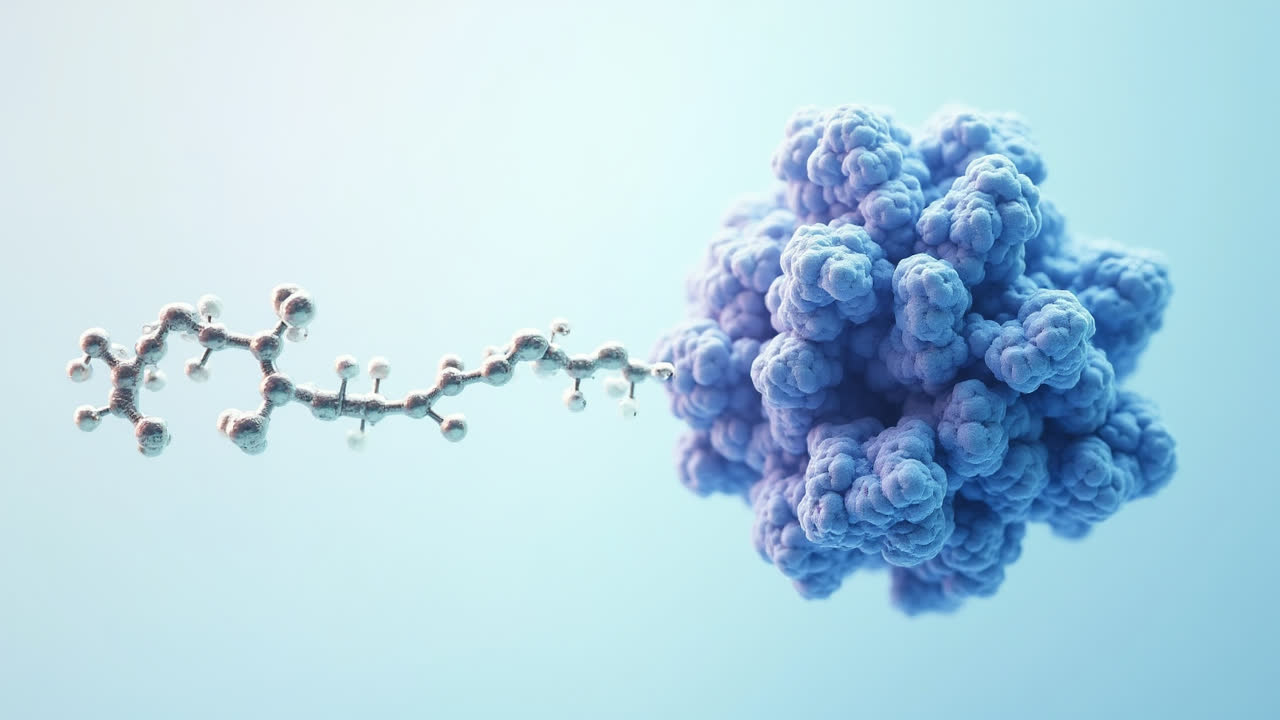
Structurally, Avermectin features a complex macrocyclic lactone ring with sugar moieties attached. This unique molecular architecture is directly responsible for its potent effects against parasites. When examining Avermectin's structure under advanced imaging techniques, scientists can actually identify the specific binding sites that make it so effective at disrupting parasite nervous systems.
Avermectin works by binding to specific receptors in parasites' nervous and muscle cells. This interaction disrupts normal functioning, essentially short-circuiting the parasites' ability to move and feed. For farmers dealing with parasite-infested livestock, Avermectin-based treatments have been nothing short of revolutionary, dramatically improving animal health and agricultural productivity worldwide.
In agricultural applications, Avermectin has proven invaluable as a pesticide, helping to combat plant-parasitic nematodes that can devastate crops. Its effectiveness in both animal and plant parasite control makes it an essential component of integrated pest management strategies. Sometimes I wonder how much global agricultural output has been saved by this single class of compounds – the number must be staggering.
Key Similarities Between Ivermectin and Avermectin
Despite their differences, these compounds share several important characteristics that help explain their similar applications and effectiveness. Understanding these similarities provides valuable context for appreciating why these medications are often mentioned together in scientific and medical literature.
- Common Origin: Both compounds trace their origins to the same soil bacterium, Streptomyces avermitilis, highlighting nature's remarkable ability to produce compounds with medicinal value.
- Structural Relationship: Ivermectin is derived directly from Avermectin, retaining much of the parent compound's core chemical structure while featuring specific modifications.
- Mechanism of Action: Both compounds target the nervous systems of parasites in similar ways, binding to glutamate-gated chloride channels and disrupting normal neurological function.
- Broad-Spectrum Activity: Both medications demonstrate effectiveness against a wide range of parasites, including nematodes, mites, ticks, and various arthropods.
- Safety Profile: When used as directed, both compounds generally display favorable safety profiles in their approved applications, though specific contraindications exist for each.
These shared characteristics explain why confusion sometimes exists between these medications. If you've ever had a veterinarian prescribe one of these compounds for your pet or livestock, they likely explained the medication's general mechanism without necessarily distinguishing between the specific variants. For practical purposes in many treatment scenarios, the similarities often outweigh the differences.
Critical Differences Between Ivermectin and Avermectin
While the similarities are significant, understanding the distinct differences between these compounds is crucial for proper application and usage. These differences influence everything from potency to specific indications and potential side effects.
| Characteristic | Ivermectin | Avermectin |
|---|---|---|
| Definition | A specific medication derived from Avermectin with modified structure | A class of natural compounds produced by Streptomyces avermitilis bacteria |
| Chemical Structure | Contains a dihydro B1a component with modified chemical structure | Parent compound with unmodified macrocyclic lactone structure |
| Potency | Generally more potent due to structural modifications | Effective but typically less potent than Ivermectin derivatives |
| Medical Approval | FDA-approved for specific human and veterinary applications | Primarily used as base for developing derivatives rather than direct medical use |
| Availability | Available as prescription medication in various formulations | Primarily found in research and development contexts |
| Specific Applications | Approved for onchocerciasis, strongyloidiasis, and various veterinary parasites | Used primarily as precursor compound and in agricultural applications |
| Research Focus | Current research includes potential antiviral properties | Research focuses on developing new derivatives with enhanced properties |
| Commercial Products | Marketed under various brand names globally | Rarely found in commercial products without modification |
These differences highlight why Ivermectin has become the more widely recognized and utilized compound in clinical settings. The structural modifications that transform Avermectin into Ivermectin result in enhanced potency and improved pharmacokinetic properties that make it more suitable for medical applications.
When prescribing these medications, healthcare providers must carefully consider these differences to ensure the right compound is selected for the specific parasite and host being treated. The distinction becomes particularly important when considering off-label applications, where understanding the precise properties of each compound is essential for proper risk-benefit analysis.
Applications in Human and Veterinary Medicine
The applications of these compounds span across species barriers, demonstrating their versatility and importance in global health. From rural veterinary clinics to international public health programs, these medications play crucial roles in parasite management strategies.
Human Medical Applications
In human medicine, Ivermectin has established itself as a crucial medication for several conditions. It's perhaps best known for its role in onchocerciasis (river blindness) control programs throughout Africa and Latin America. The medication kills the microfilariae that cause this devastating disease, preventing the progression to blindness that once affected millions. I once spoke with a public health worker who described the transformation in certain West African villages after Ivermectin distribution programs began – communities that had been devastated by river blindness for generations were suddenly seeing hope for a future without this affliction.
Strongyloidiasis, a roundworm infection that can become life-threatening in immunocompromised individuals, represents another approved indication for Ivermectin in human medicine. The medication is also increasingly used (sometimes off-label) for treating scabies and head lice infestations, particularly in cases where first-line treatments have failed.
Veterinary Applications
In the veterinary world, both compounds have found extensive applications, though Ivermectin-based products dominate the market due to their enhanced potency. For livestock producers, these medications provide effective control against internal parasites like gastrointestinal worms and lungworms, as well as external parasites including mites, lice, and some tick species.
Companion animal practitioners regularly prescribe Ivermectin for heartworm prevention in dogs, though careful dosing is essential as some breeds (particularly those with MDR1 gene mutations like Collies) can be sensitive to the medication. For horses, Ivermectin has become a cornerstone of deworming protocols worldwide, dramatically improving equine health outcomes since its introduction.
Agricultural applications extend beyond animal health to crop protection, where Avermectin derivatives help combat plant-parasitic nematodes that can severely impact yields. This dual-purpose functionality across both animal and plant health makes these compounds particularly valuable in integrated agricultural systems.
Frequently Asked Questions About Ivermectin and Avermectin
Can Ivermectin and Avermectin be used interchangeably in medical treatments?
No, Ivermectin and Avermectin cannot be used interchangeably in medical treatments. While they share similarities in their mechanism of action, Ivermectin is a specific derivative of Avermectin that has been modified for enhanced potency and improved pharmacokinetic properties. Medical products are formulated with specific compounds at precise dosages based on extensive clinical testing. Ivermectin has received FDA approval for specific human and veterinary applications, while Avermectin itself is primarily used as a base for developing derivatives rather than for direct medical use. Always follow healthcare provider guidance regarding specific medication usage.
Why is Ivermectin more commonly prescribed than Avermectin?
Ivermectin is more commonly prescribed than Avermectin primarily because it has been specifically developed and optimized for medical use. The structural modifications made to the original Avermectin compound result in Ivermectin having greater potency, better pharmacokinetic properties, and a more favorable safety profile for therapeutic applications. Additionally, Ivermectin has undergone extensive clinical trials and has received regulatory approval for specific medical indications in both humans and animals, while Avermectin itself is generally considered a precursor compound. The research, development, and clinical validation processes have established Ivermectin as the standard therapeutic agent, while Avermectin remains primarily important as the foundational compound from which various derivatives are developed.
What safety precautions should be taken when using these compounds?
Several important safety precautions should be taken when using Ivermectin or Avermectin compounds. First, always use these medications under professional medical or veterinary guidance, following prescribed dosages exactly. Never use veterinary formulations for human treatment or vice versa, as concentrations and inactive ingredients differ significantly. Certain dog breeds with MDR1 gene mutations (such as Collies and related breeds) may be sensitive to these compounds and require special consideration. These medications should be used cautiously or avoided in pregnant animals unless specifically prescribed by a veterinarian. When applying topical formulations, wear gloves to prevent skin absorption and wash hands thoroughly afterward. Store all medications out of reach of children and pets, and be aware of potential drug interactions with other medications. Finally, report any adverse reactions to your healthcare provider or veterinarian immediately.
Conclusion: Understanding the Relationship Between These Important Compounds
The relationship between Ivermectin and Avermectin illustrates an important principle in pharmacology – how structural modifications to natural compounds can enhance their medicinal properties. Avermectin provided the essential foundation, while the development of Ivermectin represents scientific innovation that improved upon nature's original design.
For medical and veterinary professionals, understanding the distinctions between these compounds is essential for proper prescribing and patient education. For livestock producers and pet owners, recognizing the specific properties of Ivermectin-based products helps ensure they're used safely and effectively.
As research continues, we may discover additional applications for these remarkable compounds or develop new derivatives with enhanced properties. The story of Ivermectin and Avermectin reminds us that some of our most valuable medications have origins in the natural world – specifically, in this case, from bacteria in ordinary soil. Who knows what other medical breakthroughs might be waiting to be discovered in similarly humble environments?