What's the Difference Between Isotonic Hypotonic and Hypertonic Solutions?
Understanding Isotonic, Hypotonic, and Hypertonic Solutions: A Complete Guide
When I first started learning about isotonic hypotonic and hypertonic solutions, I remember being confused by all the terminology. But once you understand the basics of osmosis and osmotic pressure, these concepts become much clearer. These three types of solutions play a crucial role in biology, medicine, and even everyday applications like food preservation.
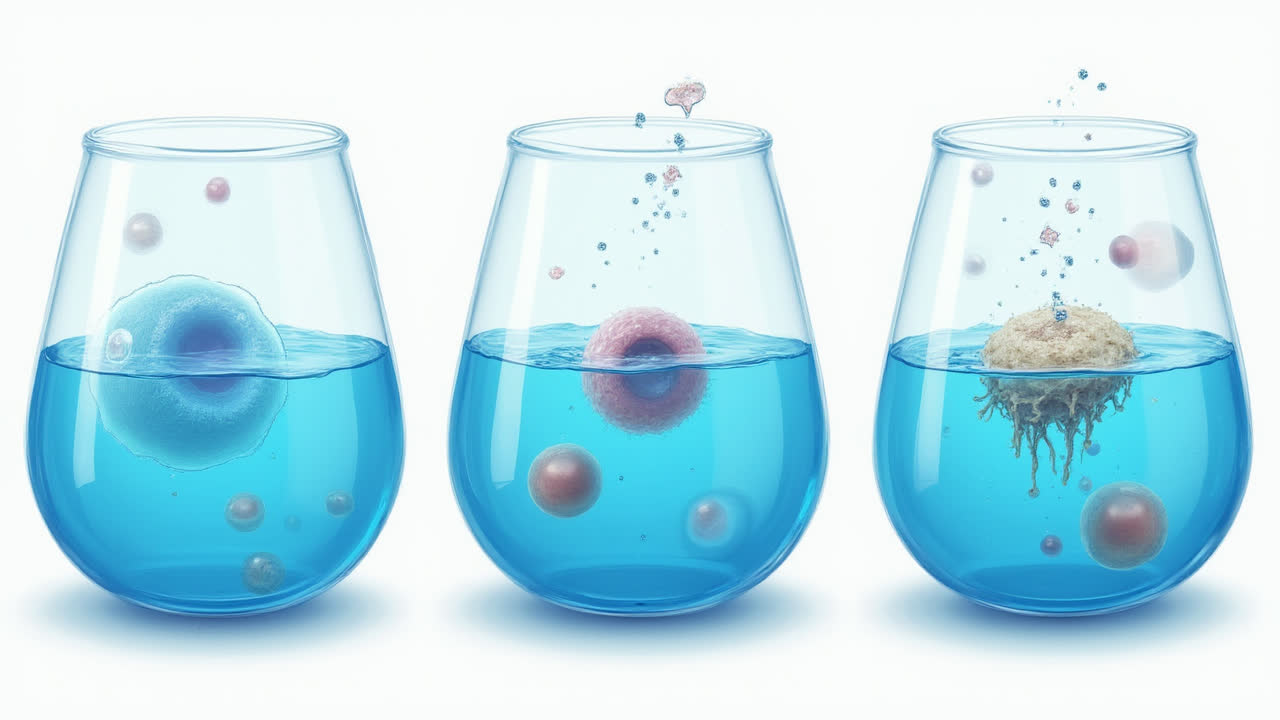
In simple terms, these solution types differ based on their solute concentration and how they affect surrounding cells. Isotonic solutions have equal osmotic pressure, hypotonic solutions have lower osmotic pressure, and hypertonic solutions have higher osmotic pressure. But what does this actually mean for cells and how we use these solutions?
What Makes a Solution Isotonic?
An isotonic solution maintains the same concentration of solutes as the cells or other solutions it's compared to. Think of it like Goldilocks - not too concentrated, not too dilute, but just right! When red blood cells are placed in an isotonic environment, they maintain their normal shape and function.
You encounter isotonic solutions more often than you might realize. Saline solution (0.9% sodium chloride) used in hospitals is isotonic with our blood cells. Similarly, 5% dextrose in water is another common isotonic solution used in medical settings. These solutions are crucial because they don't cause cell swelling or shrinking, making them safe for intravenous administration.
The beauty of isotonic solutions lies in their balance. They allow for the exchange of nutrients and waste without disrupting the cell's internal environment. This is why they're often used as carriers for medications or in contact lens solutions - they won't irritate or damage delicate tissues.
Understanding Hypotonic Solutions
Now, hypotonic solutions are quite different. They contain a lower concentration of solutes compared to the cells they interact with. When I was teaching my kids about this concept, I explained it using a sponge analogy - the cells act like sponges soaking up water from the dilute solution around them.
This water influx can have dramatic effects. Animal cells may swell and even burst (a process called cytolysis), while plant cells develop turgid pressure that helps keep them rigid. It's fascinating how the same solution can have such different outcomes depending on the cell type!
Hypotonic environments aren't always harmful though. They're essential for some biological processes. For instance, certain cells need to absorb water to function properly, and some medical treatments intentionally use hypotonic solutions for specific therapeutic purposes.
Hypertonic Solutions Explained
On the opposite end of the spectrum, we have hypertonic solutions. These contain a higher concentration of solutes than the surrounding cells. I always find it interesting to watch what happens when you put a slug on salt - the hypertonic environment draws water out of the slug, causing it to shrivel (though I don't recommend actually doing this experiment!).
In medical applications, hypertonic saline is sometimes used to treat severe hyponatremia (low sodium levels) or to reduce brain swelling after injuries. The high concentration draws excess water out of cells, reducing pressure. It's a powerful tool that must be used carefully to avoid cellular damage.
Food preservation is another fascinating application of hypertonic solutions. Have you ever wondered why salted fish or meat lasts longer? The high salt concentration creates a hypertonic environment that literally sucks the life out of microorganisms trying to spoil the food. I've used this principle when making my own preserved vegetables at home.
The Science Behind Osmotic Pressure
Understanding osmotic pressure is key to grasping these concepts. It's the minimum pressure needed to prevent solvent (usually water) from flowing across a semipermeable membrane. The higher the solute concentration, the greater the osmotic pressure.
Picture a U-shaped tube with a semipermeable membrane in the middle. If you put pure water on one side and a sugar solution on the other, water will flow toward the sugar side to equalize concentrations. The pressure needed to stop this flow is the osmotic pressure. This fundamental principle drives how isotonic, hypotonic, and hypertonic solutions interact with cells.
Sometimes I struggle to wrap my head around the invisible forces at work here. It's amazing that something as simple as dissolved salt or sugar can create such powerful pressures and affect living cells so dramatically. Nature's engineering never ceases to amaze me!
Real-World Applications and Examples
These solution types appear everywhere in our daily lives. Sports drinks are carefully formulated to be isotonic, ensuring they replace fluids efficiently without causing cellular stress. I've noticed the difference myself when exercising - isotonic drinks feel much gentler on my stomach than plain water or sugary beverages.
In gardening, understanding these concepts is crucial for plant health. Overwatering can create hypotonic conditions around roots, potentially leading to root rot. Conversely, excessive fertilization creates hypertonic conditions that can damage plants by drawing out their moisture. My grandmother always said "water deeply but infrequently" - now I understand the science behind her wisdom!
Medical professionals rely on this knowledge constantly. From IV fluid selection to wound care solutions, choosing the right tonicity can mean the difference between healing and harm. It's remarkable how such fundamental chemistry principles have such profound practical implications.
| Characteristic | Isotonic Solution | Hypotonic Solution | Hypertonic Solution |
|---|---|---|---|
| Solute Concentration | Equal to cell's concentration | Lower than cell's concentration | Higher than cell's concentration |
| Osmotic Pressure | Equal osmotic pressure with cells | Lower osmotic pressure than cells | Higher osmotic pressure than cells |
| Water Movement | No net water movement | Water flows into cells | Water flows out of cells |
| Effect on Animal Cells | Maintains normal cell shape | Cells swell, may burst | Cells shrink (crenate) |
| Effect on Plant Cells | No change in cell structure | Cells become turgid | Cells undergo plasmolysis |
| Common Examples | 0.9% saline, sports drinks | Distilled water, tap water | Sea water, 3% saline |
| Typical Applications | IV fluids, contact lens solution | Rehydration therapy, plant watering | Food preservation, treating edema |
| Membrane Behavior | Equilibrium across membrane | Water influx across membrane | Water efflux across membrane |
Clinical Significance and Medical Uses
In healthcare settings, isotonic solutions are the workhorses of fluid therapy. Normal saline and lactated Ringer's solution are isotonic and used for volume replacement without disrupting cellular equilibrium. I've witnessed patients receive these fluids countless times during my volunteer work at the hospital.
Sometimes doctors deliberately use hypotonic solutions to treat hypernatremia (elevated sodium levels) or to provide free water to patients. However, these must be administered cautiously to prevent rapid cellular swelling, especially in the brain. The delicate balance required highlights the importance of understanding these concepts in medicine.
Hypertonic solutions have specialized uses too. They're employed to correct severe electrolyte imbalances or reduce dangerous brain swelling after trauma. While powerful, they're typically reserved for specific situations due to their potent effects on cellular water balance.
Frequently Asked Questions
What happens if you drink pure water (hypotonic) versus saltwater (hypertonic)?
When you drink pure water, your body may experience water intoxication if consumed in large amounts quickly. The hypotonic water dilutes your blood sodium levels, potentially causing cells to swell. In contrast, drinking seawater (hypertonic) dehydrates you because your body uses precious freshwater to flush out the excess salt, making you thirstier. This is why people stranded at sea can't drink seawater to survive.
How do isotonic sports drinks work better than plain water during exercise?
Isotonic sports drinks contain electrolytes (like sodium and potassium) in concentrations similar to your body fluids. This allows faster absorption in the small intestine compared to plain water. They replace both fluids and the electrolytes lost through sweat, maintaining proper muscle function and preventing cramping. Plain water, being hypotonic, is absorbed more slowly and doesn't replace lost salts.
Can understanding tonicity help with gardening and plant care?
Absolutely! Understanding tonicity principles helps prevent common gardening mistakes. Overwatering creates hypotonic conditions causing root rot, while over-fertilizing creates hypertonic conditions that can 'burn' plants by drawing out their water. Using properly diluted fertilizers maintains an isotonic environment, promoting healthy plant growth. This knowledge also explains why wilted vegetables become crisp again in water - they absorb water from the hypotonic environment.
Conclusion: Mastering the Basics of Solution Tonicity
Understanding isotonic, hypotonic, and hypertonic solutions isn't just academic - it's practical knowledge that applies to everything from healthcare to cooking. I hope this guide has helped clarify these important concepts and shown you how they impact our daily lives.
Whether you're a student, healthcare professional, or just curious about how things work, remember that these principles are all about balance. Isotonic solutions maintain equilibrium, hypotonic solutions bring water in, and hypertonic solutions draw water out. This seemingly simple concept has far-reaching implications for how we understand and interact with the living world around us.
Next time you're at the hospital, tending to your garden, or even just selecting a sports drink, you'll have a deeper appreciation for the science of osmosis and tonicity. It's amazing how understanding these microscopic processes can help us make better decisions in our macroscopic world!
References:
- http://www.thoughtco.com/definition-of-hypertonic-and-examples-605232
- http://www.slideshare.net/dewisivasamy/the-effects-of-hypotonic-hypert
- http://www.phschool.com/science/biology_place/biocoach/biomembrane1/hy
- https://commons.wikimedia.org/w/index.php?curid=33041250
- https://commons.wikimedia.org/w/index.php?curid=33041248
- https://commons.wikimedia.org/w/index.php?curid=33041247
- https://commons.wikimedia.org/w/index.php?curid=1685428