H. influenzae vs Influenza Virus: Critical Differences Explained
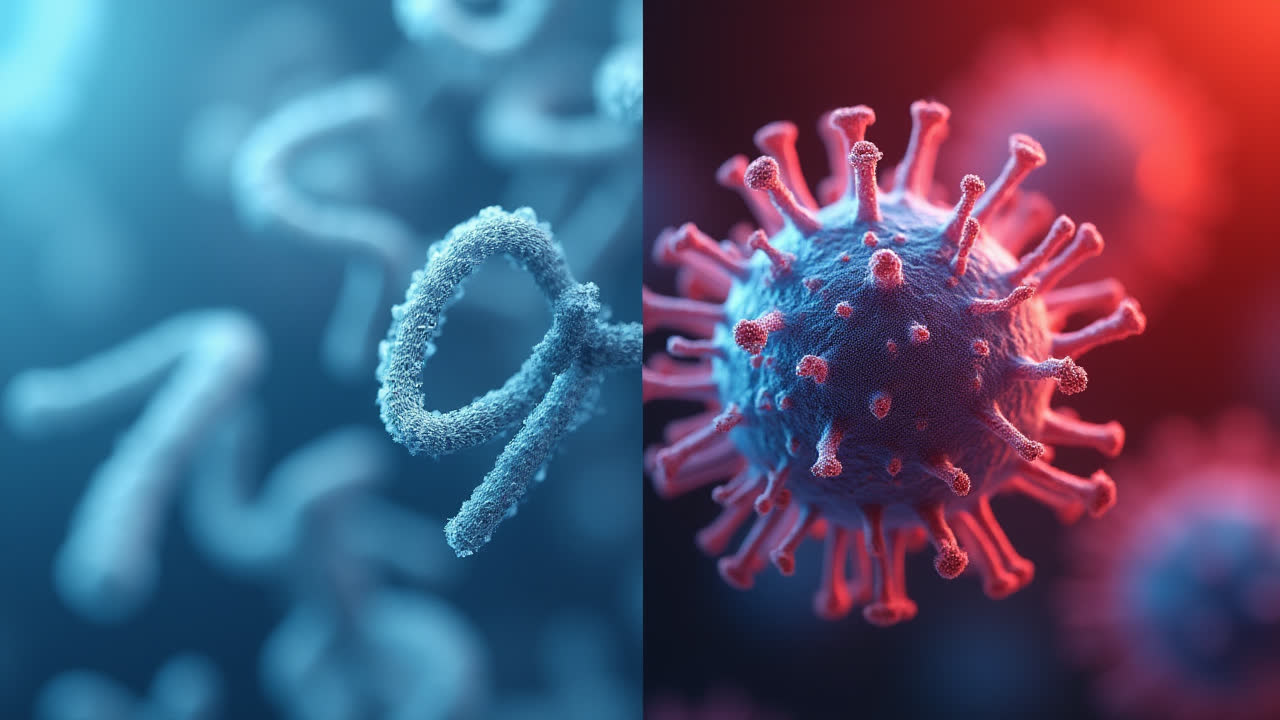
Understanding Haemophilus influenzae: The Bacterium
Haemophilus influenzae is not, as its name might suggest, the cause of influenza (flu). It's actually a gram-negative bacterium that was mistakenly thought to cause the flu when it was first discovered during the 1890 flu pandemic. Despite this historical confusion, H. influenzae is a distinct pathogen with its own characteristics and disease profile.
This bacterium is a small, non-motile, coccobacillary organism that's part of the Pasteurellaceae family. Measuring between 0.3 to 1 micrometer in length, it has a thin peptidoglycan layer and an outer membrane containing lipopolysaccharides - typical characteristics of gram-negative bacteria. As a mesophilic organism, it thrives at temperatures between 35°C and 37°C, which happens to be human body temperature. No wonder it finds our bodies such hospitable environments!
There are several serotypes of H. influenzae, labeled from a to f, with type b (Hib) being the most virulent and common form, especially in children under five. The bacterium has a polysaccharide capsule that helps it evade the immune system and colonize the human body. I was shocked to learn that before the Hib vaccine became widely available, this bacterium was the leading cause of bacterial meningitis in children!
H. influenzae primarily causes infections in parts of the body that are typically not susceptible to germs, such as the fluids surrounding the brain and spinal cord. The most common clinical manifestations include:
- Meningitis (inflammation of the membranes covering the brain and spinal cord)
- Bacteremia (bacteria in the bloodstream)
- Pneumonia (lung infection)
- Epiglottitis (swelling of the epiglottis, which can block airflow to the lungs)
- Cellulitis (skin infection)
- Infectious arthritis (joint infection)
- Otitis media (middle ear infection)
Interestingly, H. influenzae has developed resistance to penicillin, making treatment more challenging. However, combinations like amoxicillin and clavulanic acid remain effective for mild infections. For more severe cases, clinicians might turn to newer antibiotics or combination therapies. The good news is that the Hib vaccine has dramatically reduced the incidence of these infections, especially in developed countries where vaccination rates are high.
Understanding Influenza Virus: The Viral Pathogen
The influenza virus, on the other hand, is a completely different type of pathogen. It's a virus, not a bacterium, belonging to the Orthomyxoviridae family. Unlike bacteria which are complete cells, viruses are much smaller and simpler structures that consist of genetic material wrapped in a protein coat. They absolutely need host cells to replicate - they're essentially parasitic entities that hijack our cellular machinery.
What makes influenza viruses particularly interesting (and challenging from a public health perspective) is their genetic structure. They contain a negative-sense, single-stranded RNA genome that's segmented into multiple pieces. This segmentation facilitates something called "antigenic shift" - the ability to dramatically change their surface proteins, which is why we need new flu vaccines each year. I remember my grandmother telling me how she survived the 1968 Hong Kong flu pandemic, and it's remarkable to think that the virus has continued to evolve since then!
There are four main types of influenza viruses: A, B, C, and D. Influenza A and B are the ones that cause seasonal epidemics in humans each year. Influenza A is particularly concerning because it can infect multiple species - it's found in aquatic birds (its primary reservoir), as well as mammals like humans and pigs. This ability to jump between species creates opportunities for novel strains to emerge. Influenza B primarily circulates among humans, while C causes mild infections, and D mainly affects cattle.
The symptoms of influenza typically appear 1-4 days after infection and commonly include:
- Fever and chills
- Cough and sore throat
- Runny or stuffy nose
- Muscle and body aches
- Headaches
- Fatigue
- Sometimes vomiting and diarrhea (more common in children)
While many people recover from the flu without complications, it can lead to serious secondary bacterial infections, particularly pneumonia. Other potential complications include acute respiratory distress syndrome, encephalitis, meningitis, worsening of existing conditions like asthma, and even cardiovascular diseases. The risk of complications is higher in vulnerable populations such as the elderly, very young children, pregnant women, and people with certain chronic medical conditions.
Unlike bacterial infections, antibiotics are ineffective against viral infections like influenza. Instead, antiviral medications such as oseltamivir (Tamiflu) and zanamivir (Relenza) may be prescribed, especially for high-risk individuals. However, these are most effective when started within 48 hours of symptom onset – a window that's often missed since many people don't seek treatment immediately.
Key Differences: H. influenzae vs Influenza Virus
Now that we've examined each pathogen individually, let's directly compare them to highlight the crucial differences. Understanding these distinctions is essential for proper diagnosis, treatment, and prevention strategies.
| Characteristic | Haemophilus influenzae | Influenza Virus |
|---|---|---|
| Type of organism | Bacterium (complete cellular organism) | Virus (non-cellular, requires host cells) |
| Size | 0.3-1 micrometer (much larger) | 80-120 nanometers (much smaller) |
| Genetic material | DNA and RNA (complete genome) | Segmented, negative-sense RNA |
| Primary diseases | Meningitis, epiglottitis, pneumonia, bacteremia | Influenza (seasonal flu) |
| Transmission | Respiratory droplets, close contact | Respiratory droplets, aerosols, contact with contaminated surfaces |
| Treatment | Antibiotics (except penicillin) | Antiviral medications, supportive care |
| Prevention | Hib vaccine (primarily for children under 5) | Annual influenza vaccine, hand hygiene |
| Seasonality | No distinct seasonal pattern | Seasonal epidemics (winter in temperate regions) |
The name similarity between these two pathogens continues to cause confusion. H. influenzae was named during the 1890 influenza pandemic because scientists incorrectly believed it caused the flu. By the time they realized their mistake years later, the name had already stuck. It's one of those historical quirks in medical naming that we just have to live with!
Prevention Strategies: Vaccines and Beyond
Despite their differences, both H. influenzae and influenza virus infections can be prevented through vaccination. The development of these vaccines represents one of the greatest public health achievements of modern medicine.
For H. influenzae type b (Hib), vaccines were first introduced in the 1980s and have been remarkably successful. Before widespread vaccination, Hib was the leading cause of bacterial meningitis among children under five in the United States, with approximately 20,000 cases annually. Today, invasive Hib disease has been reduced by more than 99% in countries with routine Hib vaccination programs. The current recommendation is for all children to receive the Hib vaccine as part of their routine immunization schedule, with doses typically given at 2, 4, 6, and 12-15 months of age.
Influenza vaccines, commonly known as flu shots, have a different challenge due to the virus's ability to mutate rapidly. That's why new flu vaccines are developed each year based on predictions about which strains will be most prevalent in the upcoming flu season. While flu vaccines aren't perfect (effectiveness varies from year to year), they remain our best tool for preventing influenza and reducing its severity when breakthrough infections occur. I make sure my family gets our flu shots every October - it's become something of a fall tradition for us!
Beyond vaccination, preventing the spread of both pathogens involves similar hygiene practices:
- Regular handwashing with soap and water for at least 20 seconds
- Covering coughs and sneezes with a tissue or elbow (not hands)
- Avoiding close contact with sick individuals
- Staying home when sick to prevent spreading infection to others
- Cleaning and disinfecting frequently touched surfaces
- Maintaining good overall health through nutrition, exercise, and adequate sleep
For healthcare settings, additional precautions may include isolation of infected patients, use of personal protective equipment by healthcare workers, and implementation of specific infection control protocols. These measures have become even more stringent and visible following the COVID-19 pandemic, which has heightened awareness of respiratory disease transmission in general.
Frequently Asked Questions
Can you get H. influenzae and influenza virus at the same time?
Yes, it is possible to be infected with both H. influenzae bacteria and the influenza virus simultaneously. This is known as a co-infection or secondary infection. In fact, viral respiratory infections like influenza can damage the respiratory epithelium (the cells lining the respiratory tract), making it easier for bacteria like H. influenzae to establish an infection. This is why bacterial pneumonia is a common complication following influenza infection, particularly in elderly or immunocompromised individuals. If you have flu symptoms that improve but then suddenly worsen with high fever, increased cough, or difficulty breathing, seek medical attention immediately as this could indicate a secondary bacterial infection requiring antibiotic treatment.
Does the flu vaccine protect against H. influenzae infections?
No, the seasonal influenza vaccine (flu shot) does not directly protect against Haemophilus influenzae infections. These are two completely different pathogens requiring different vaccines. The flu vaccine is designed specifically to target influenza viruses, while the Hib vaccine protects against H. influenzae type b bacteria. However, there is an indirect benefit: by preventing influenza infection, the flu vaccine may reduce the risk of secondary bacterial infections, including those caused by H. influenzae. For complete protection, children should receive both the age-appropriate influenza vaccine and the Hib vaccine as part of their regular immunization schedule.
How can I tell if I have an H. influenzae infection or influenza?
It can be difficult to distinguish between these infections based on symptoms alone, and proper diagnosis requires laboratory testing. Influenza typically presents with sudden onset of fever, muscle aches, fatigue, cough, and sore throat. H. influenzae infections, on the other hand, can cause various clinical syndromes depending on which part of the body is affected. Meningitis from H. influenzae presents with fever, headache, stiff neck, and altered mental status. Epiglottitis causes severe sore throat, difficulty swallowing, and breathing problems. If you're experiencing severe symptoms like high fever, difficulty breathing, confusion, or stiff neck, seek medical attention immediately. Healthcare providers can perform specific tests to identify whether bacteria or viruses are causing your symptoms, which guides appropriate treatment.
Conclusion: Understanding the Distinction
Despite their confusingly similar names, Haemophilus influenzae and the influenza virus are fundamentally different pathogens that cause distinct diseases. H. influenzae is a bacterium that can cause severe invasive diseases like meningitis and epiglottitis, while the influenza virus causes the seasonal flu. Their treatments differ significantly – antibiotics for bacterial H. influenzae infections versus antiviral medications and supportive care for viral influenza.
The good news is that both pathogens can be prevented through vaccination. The Hib vaccine has drastically reduced the incidence of invasive H. influenzae type b disease in children, while annual flu vaccines help protect against seasonal influenza. By understanding the differences between these pathogens, we can better recognize symptoms, seek appropriate medical care, and take preventive measures to protect ourselves and our communities.
Remember, if you're ever unsure about your symptoms or concerned about a possible infection, consult with a healthcare provider. Early diagnosis and treatment can significantly improve outcomes for both of these infections. And don't forget to stay up-to-date with your vaccinations – they remain our most powerful tools in preventing these diseases!