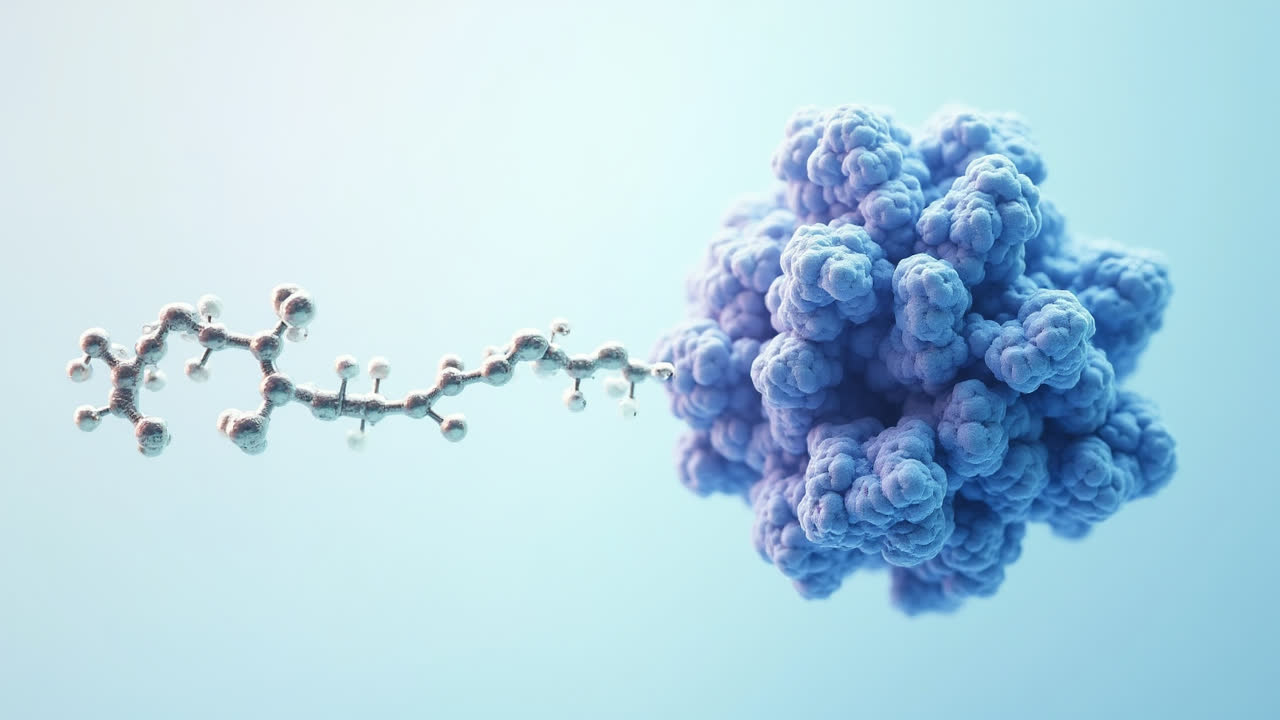
Essence vs Serum: Which Skincare Product Does Your Skin Need?
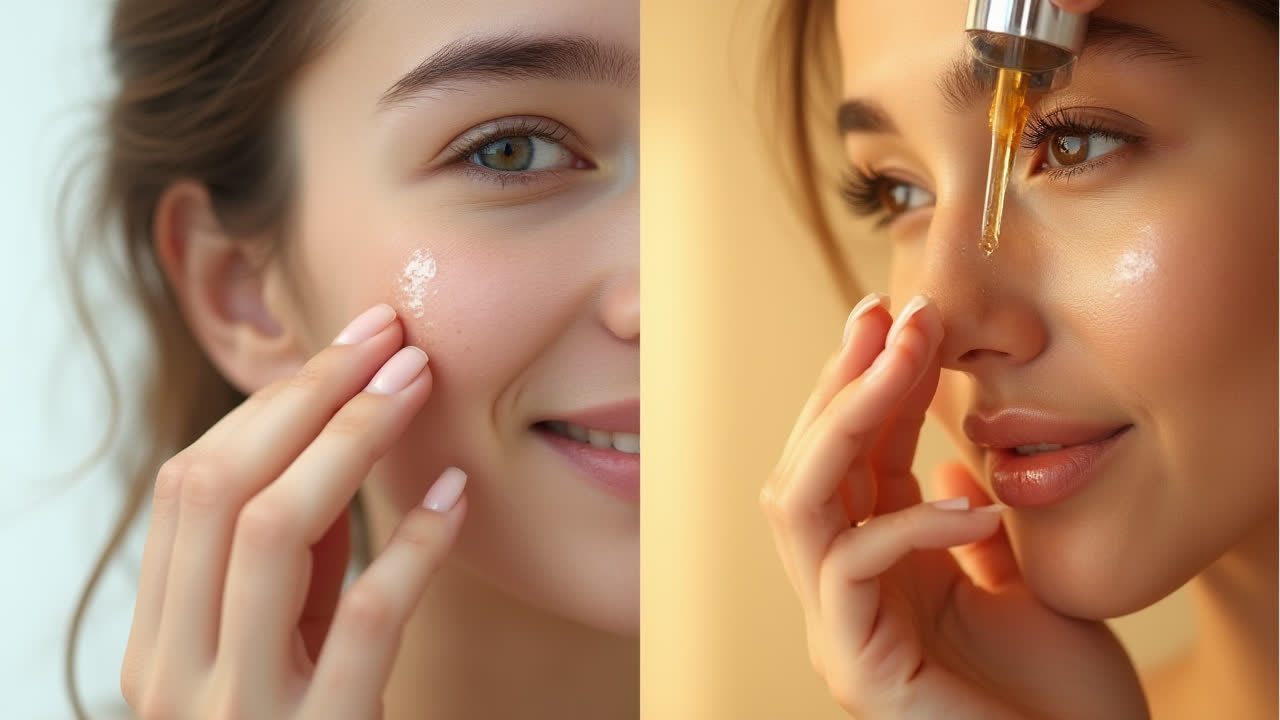
Have you ever stood in the skincare aisle, feeling completely overwhelmed by the endless array of bottles and jars promising miracles for your skin? You're not alone. One of the most common confusions in the skincare world revolves around essence and serum - two products that might seem interchangeable but serve distinctly different purposes in your skincare routine.
I remember my first encounter with Korean skincare about five years ago. The sales associate handed me both an essence and a serum, and I nodded politely while secretly wondering if I was being upsold unnecessary products. Fast forward to today, and I can't imagine my routine without both! But what exactly sets these products apart?
Essence is a lightweight, hydrating product that preps your skin for the next steps in your skincare routine, while serum contains more concentrated active ingredients specifically targeting concerns like wrinkles, hyperpigmentation, or acne. Think of essence as laying the groundwork and serum as the specialized treatment team.
Let's dive deeper into these skincare staples to understand why you might need one, the other, or both in your daily routine. After all, isn't it time we demystified these bottles of skin-loving goodness?
Understanding Serums: Your Targeted Treatment
A serum isn't just another moisturizer - it's a specialized treatment with a specific mission. Think of serums as the special operations team of your skincare routine, designed to target and address particular skin concerns with precision and potency.
What makes serums so effective is their formulation. They contain a high concentration of active ingredients like vitamins, peptides, antioxidants, and exfoliants. These powerful ingredients are delivered in a lightweight vehicle with smaller molecular structures that can penetrate deeper into the skin. Because they're so concentrated, a little goes a long way - typically just a few drops are needed for your entire face.
The texture of serums varies, but they usually have a clear, gel-like consistency that feels less thick than moisturizers. Some might have a slightly tacky feel initially, but they should absorb relatively quickly without leaving a heavy residue. Despite their lightweight nature, serums can be powerhouses of hydration when formulated with ingredients like hyaluronic acid.
There's a serum for virtually every skin concern you can imagine:
- Anti-aging serums - Packed with retinol, peptides, or growth factors to target fine lines and wrinkles
- Brightening serums - Often contain vitamin C, niacinamide, or alpha arbutin to even skin tone and fade dark spots
- Hydrating serums - Feature hyaluronic acid, glycerin, or ceramides to boost moisture levels
- Acne-fighting serums - Include salicylic acid, tea tree oil, or zinc to combat breakouts
- Calming serums - Contain ingredients like centella asiatica, aloe, or green tea to soothe irritation
When using a serum, timing matters. They should be applied after cleansing and toning but before moisturizing. This sequence ensures that the active ingredients in your serum can reach your skin cells without barriers. And here's a pro tip I've learned through trial and error: give your serum about a minute to fully absorb before moving on to the next step in your routine. This pause allows those precious active ingredients to properly sink in before you apply anything else.
One thing to watch out for - not all serums play nicely together. For example, using retinol alongside AHAs or vitamin C might cause irritation. If you're new to serums, it's best to start with a lower concentration and perform a patch test before committing to regular use. Your skin might need time to adjust to these potent formulations.
Essence Explained: The Hydration Booster
Essences are the unsung heroes of a thorough skincare routine. Originating from Korean skincare philosophy, these watery products might seem simple, but they serve a crucial purpose. An essence is essentially (pun intended!) a hydration booster that prepares your skin to better absorb subsequent products.
Have you ever poured water onto bone-dry soil? Most of it runs off without soaking in. But if you moisten the soil first, additional water absorbs beautifully. Your skin works similarly - an essence creates that initial layer of hydration that helps everything else sink in more effectively.
The texture of essences is typically water-like or slightly viscous, feeling refreshing and lightweight on the skin. Don't let this fool you into thinking they're just expensive water! Good essences are packed with humectants like glycerin or hyaluronic acid that draw moisture into the skin, along with a moderate concentration of beneficial ingredients such as antioxidants, brightening agents, or fermented extracts.
What makes essences particularly special is how they function as hybrids between toners and serums. They're more hydrating and treatment-oriented than most toners, yet more lightweight and less concentrated than serums. This middle-ground position makes them perfect for layering in a comprehensive skincare routine.
Applying an essence correctly can enhance its benefits. After cleansing and toning, pour a small amount into your palms and gently press it into your skin rather than rubbing. This patting motion helps with absorption and minimizes product waste. Some people prefer to use cotton pads, but I've found the direct hand application method allows more product to reach my skin rather than being absorbed by the pad.
Essences are particularly beneficial for those with dehydrated skin (which, by the way, is different from dry skin - dehydrated skin lacks water, while dry skin lacks oil). They can also be a game-changer for people who find that their skincare products don't seem to absorb well or who feel that their skin needs an extra boost of hydration without the heaviness of additional moisturizer.
Unlike serums, which target specific concerns, essences focus more on overall skin health. They create a foundation of hydration and nourishment that benefits every skin type and concern. Think of essence as setting the stage for the rest of your skincare performance to shine.
Essence vs Serum: Side-by-Side Comparison
Now that we've explored both products individually, let's compare them directly to clarify the key differences and help you determine when to use each in your skincare routine.
| Comparison Point | Essence | Serum |
|---|---|---|
| Consistency | Lightweight, watery, fluid-like | Thicker, often gel-like or slightly oily |
| Primary Purpose | Hydration and preparation of skin for better product absorption | Targeted treatment for specific skin concerns |
| Active Ingredient Concentration | Lower concentration | Higher concentration |
| Skin Penetration | Works primarily on the surface layers | Penetrates deeper into the skin |
| Application Order | After toner, before serum | After essence, before moisturizer |
| Application Method | Typically patted or pressed into the skin | Usually massaged in with fingertips |
| Cost Range | Generally more affordable | Often more expensive due to concentrated actives |
| Best For | All skin types, especially dehydrated skin | Specific concerns like aging, pigmentation, acne |
When to Use Both Essence and Serum
Is it redundant to use both essence and serum? Absolutely not! These products are actually designed to complement each other when used in the correct sequence. The essence acts as a primer, creating the optimal environment for your serum to work effectively.
I've found that my serums seem to work better when I've prepped my skin with essence first. It's like the difference between planting seeds in properly prepared soil versus just tossing them on hard ground. The essence creates that fertile environment where your serum's active ingredients can really flourish.
Here's how to incorporate both into your routine:
- Cleanse your face thoroughly
- Apply toner (if you use one)
- Apply essence, patting it gently until absorbed
- Apply serum, focusing on areas with specific concerns
- Follow with moisturizer and sunscreen (in the morning)
This layering technique, often referred to as the "Korean skincare approach," follows the principle of applying products from thinnest to thickest consistency. This ensures optimal absorption and effectiveness of each product.
There are certain skin types and concerns that particularly benefit from using both products:
Dehydrated but oily skin: An essence provides necessary hydration without heaviness, while a non-comedogenic serum can target oil production or acne.
Aging skin with multiple concerns: An essence with fermented ingredients can support overall skin health, while targeted serums can address specific aging concerns like fine lines or loss of firmness.
Sensitive skin with specific issues: A gentle, soothing essence can calm the skin, making it better prepared to receive treatment from a specialized serum without irritation.
Of course, not everyone needs both products. If you're minimalist-minded or on a budget, you might choose based on your primary concern. If overall hydration and skin health is your focus, an essence might be sufficient. If you're targeting specific concerns like deep wrinkles or stubborn dark spots, a serum might be the better investment.
Remember that skincare is highly individual. What works beautifully for one person might not work for another. Don't you think it's worth experimenting to find what gives your unique skin that healthy, radiant glow?
How to Choose the Right Product for Your Skin
With so many options available, selecting the right essence or serum for your skin can feel overwhelming. Here's a simplified approach to finding your perfect match.
First, identify your primary skin concern. Is it dehydration? Aging? Acne? Hyperpigmentation? This will be your guiding star when navigating the crowded skincare market. For instance, if dehydration is your main issue, an essence might be your best starting point. If you're targeting specific concerns like stubborn wrinkles or dark spots, a serum would likely be more effective.
Next, consider your skin type. Those with oily skin might prefer water-based formulations that won't add extra shine, while dry skin types might benefit from slightly richer textures. Sensitive skin requires careful ingredient selection - look for soothing components like centella asiatica, chamomile, or aloe and avoid potential irritants like alcohol or fragrance.
Label reading becomes your superpower when choosing skincare. For essences, look for hydrating ingredients like hyaluronic acid, glycerin, and fermented extracts. For serums, match active ingredients to your concerns: vitamin C for brightening, retinol for anti-aging, niacinamide for multiple benefits including pore reduction and skin barrier support.
Budget considerations also matter in this decision. Essences generally require more product per application than serums, but they typically cost less per ounce. Serums tend to be pricier due to their concentrated formulations, but you use less product each time. Consider which approach gives you better value for addressing your specific concerns.
When introducing new products, patience is essential. Give your skin time to respond - at least 4-6 weeks for most products to show results. And remember, consistency is key. The best product for your skin is ultimately the one you'll use regularly as part of your routine.
Still unsure? Many brands offer sample or travel sizes that allow you to test products before committing to full-sized versions. This approach has saved me from investing in full bottles of products that didn't work for my skin. Isn't it better to test-drive before making the full investment?
Common Mistakes to Avoid
Even skincare enthusiasts can make mistakes when using essences and serums. Avoiding these common pitfalls will help you get the most from your products.
One frequent error is applying these products in the wrong order. Remember: essence before serum! Using them in reverse means your serum won't penetrate as effectively, and you'll miss out on the hydration benefits of your essence. The rule of thumb is to apply products from thinnest to thickest consistency.
Another mistake is using too much product. With serums especially, more isn't better. These concentrated formulas are designed to be effective in small amounts - typically just 2-3 drops for your entire face. Using excess product doesn't enhance results; it just wastes your investment. Essences can be applied more generously, but even they don't require soaking your face.
Impatience between layers can also reduce effectiveness. Each product needs time to absorb before applying the next. I've caught myself rushing through my routine on busy mornings, only to feel products pilling up on my skin. Give each layer about 30 seconds to a minute to sink in before proceeding.
Many people make the mistake of mixing incompatible ingredients. For example, using a vitamin C serum immediately after an AHA/BHA essence might reduce the effectiveness of both products or cause irritation. Some active ingredients work best at different times of day or on alternate days. When in doubt, keep it simple or consult with a dermatologist about your specific product combination.
Finally, don't fall into the trap of product overload. While the multi-step Korean skincare routine has gained popularity, not everyone's skin benefits from numerous layers of products. Some skin types, particularly those prone to congestion or sensitivity, might do better with a more minimalist approach. Listen to your skin - if it feels overwhelmed, scale back.
Frequently Asked Questions
Can I use both essence and serum in the same routine?
Absolutely! In fact, they're designed to work together. The essence hydrates and prepares your skin, making it more receptive to the active ingredients in your serum. Apply the essence first, let it absorb for about 30 seconds, then follow with your serum. This layering approach maximizes the benefits of both products and is a cornerstone of effective skincare routines.
How long does it take to see results from essences and serums?
Results timeframes vary depending on the product and your skin concerns. Hydrating benefits from essences can be noticed almost immediately, with your skin feeling more plump and moisturized. For serums targeting issues like hyperpigmentation, fine lines, or acne, expect to wait 4-12 weeks for noticeable improvement. Skin cells regenerate approximately every 28 days, so give products at least one full skin cycle before evaluating their effectiveness. Consistency is key - daily use will yield better results than occasional application.
Are more expensive essences and serums always better?
Not necessarily. While price often reflects ingredient quality and concentration, there are excellent affordable options available. What matters most is finding formulations with effective ingredients that suit your specific skin concerns. I've personally found mid-range products that outperform luxury options. Focus on the ingredient list rather than the price tag - look for active ingredients positioned high in the list (indicating higher concentration) and formulations free from potential irritants if you have sensitive skin. Some affordable brands like The Ordinary, The Inkey List, and CosRx offer high-quality formulations at budget-friendly prices.
Conclusion: Finding Your Perfect Skincare Balance
Understanding the difference between essence and serum empowers you to make informed skincare choices tailored to your unique needs. While essences hydrate and prepare the skin, serums deliver concentrated ingredients to target specific concerns. Both have their place in a comprehensive skincare routine.
The beauty of modern skincare is its flexibility - you can customize your routine based on what your skin is telling you. Some days you might need the hydrating boost of an essence and the targeted treatment of a serum. Other days, your skin might benefit from simplifying. Trust your skin's feedback and adjust accordingly.
Remember that consistency trumps complexity. A simple routine you follow faithfully will yield better results than an elaborate regimen you can't maintain. Start with products addressing your primary concerns, then adjust as needed.
Have you found your perfect essence or serum yet? Or perhaps you've discovered the ideal combination of both? Whatever stage of your skincare journey you're in, keep exploring and learning about what makes your unique skin thrive.