Dill vs Fennel: Ultimate Herb Comparison Guide (With Uses)
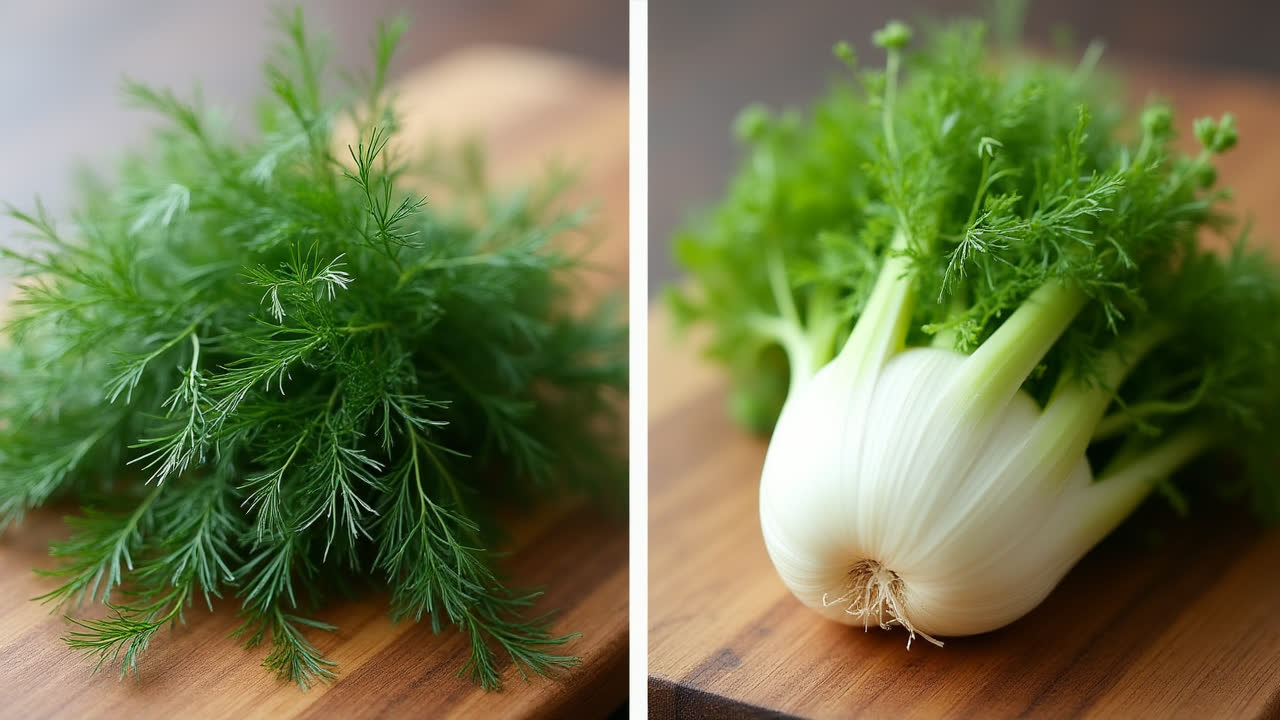
If you've ever confused dill and fennel in the grocery store, you're not alone. These feathery green herbs look remarkably similar, but they offer distinctly different flavors and culinary applications. Both belonging to the Apiaceae family, these aromatic herbs can transform ordinary dishes into culinary delights—but knowing when to use each can make all the difference in your cooking.
I remember the first time I grabbed fennel instead of dill for a cucumber salad recipe. The strong licorice flavor completely changed my dish, and while not unpleasant, it certainly wasn't what I had intended! That experience taught me to pay closer attention to these similar-looking herbs. Have you ever made a similar mistake in your kitchen adventures?
In this comprehensive guide, we'll explore everything you need to know about dill and fennel—their distinct characteristics, flavor profiles, culinary uses, and how to choose the right herb for your recipes. Whether you're an experienced chef or a curious home cook, understanding these versatile herbs will elevate your cooking to new heights.
Understanding Dill: The Delicate Annual Herb
Dill (Anethum graveolens) is an annual herb with a light, grassy flavor and subtle notes of licorice and citrus. Its feathery green leaves, often called dill weed in culinary contexts, have a delicate appearance that adds both visual appeal and flavor to dishes. The distinctive aroma of dill is immediately recognizable to many home cooks.
As an annual plant, dill completes its life cycle in one growing season. It grows quickly, reaching heights of 16-24 inches with slender stems that branch into those characteristic feathery leaves. The plant produces small yellow flowers in umbrella-shaped clusters, which eventually develop into the flat, oval seeds that we use as a spice.
I've grown dill in my garden for years, and one thing I've noticed is how it self-seeds readily—sometimes appearing in unexpected spots the following year! It's a relatively low-maintenance herb that prefers full sun and well-draining soil. During summer months, fresh dill is abundant, though you'll find it year-round in most grocery stores thanks to greenhouse cultivation.
Dill leaves are most flavorful when fresh and tend to lose their potency when dried. The flavor profile is distinctly different between the leaves and seeds—the leaves offer that signature grassy, slightly anise-like taste, while the seeds have a warmer, slightly bitter flavor reminiscent of caraway. This dual nature makes dill particularly versatile in the kitchen.
Exploring Fennel: The Versatile Perennial Plant
Unlike dill, fennel (Foeniculum vulgare) is a hardy perennial plant that returns year after year in suitable climates. Native to the Mediterranean region, fennel has been cultivated for thousands of years for both culinary and medicinal purposes. Perhaps the most unique aspect of fennel is that the entire plant is edible—from its bulbous base to its feathery fronds and seeds.
Fennel grows taller than dill, often reaching heights of 3-5 feet, with sturdy, branched stalks that emerge from a round, white bulb at the base. The leaves are similar to dill in their feathery appearance but are typically longer and have a much more pronounced licorice flavor. This strong aniseed taste is what most distinctly separates fennel from dill in culinary applications.
The bulb of fennel—crisp, layered, and slightly sweet—is what truly sets it apart from dill (which has no bulb). When I first discovered fennel bulb at my local farmers market, I was intimidated by its unusual appearance. But after learning to thinly slice it for salads or roast it until caramelized, it quickly became a staple in my kitchen. The texture is similar to celery but with a more complex flavor that mellows and sweetens when cooked.
Fennel's distinctive flavor comes from anethole, an aromatic compound that gives it that characteristic licorice or anise-like taste. This flavor is most concentrated in the seeds, which are commonly used in sausages, breads, and various spice blends. The leaves can be used as an herb for garnishing or flavoring dishes, particularly those featuring fish or pork.
Dill vs Fennel: Comprehensive Comparison
| Characteristic | Dill | Fennel |
|---|---|---|
| Plant Type | Annual herb | Perennial herb |
| Edible Parts | Leaves (as herb) and seeds (as spice) | Entire plant: bulb, stalks, leaves, seeds, flowers |
| Flavor Profile | Mild, grassy with subtle licorice notes | Strong licorice/anise flavor, more pronounced |
| Leaf Appearance | Feathery, delicate, shorter | Feathery, but longer and more substantial |
| Height | 16-24 inches (40-60 cm) | 3-5 feet (90-150 cm) |
| Bulb | No bulb | Large, layered white bulb |
| Common Culinary Uses | Fish dishes, pickles, potato salads, yogurt sauces | Roasted vegetables, salads, Italian sausage, fish |
| Storage Longevity | Fresh: 1-2 weeks in refrigerator | Bulb: up to 2 weeks; fronds: 3-4 days |
While both herbs share similarities in appearance and belong to the same botanical family, they function quite differently in cooking. I've found that dill's more delicate flavor makes it perfect for dishes where you want a hint of fresh herbaceous notes without overpowering other ingredients. Fennel, with its more assertive character, often becomes a focal point of the dishes it's added to.
Culinary Uses of Dill: From Seafood to Pickling
Dill has earned its place in cuisines around the world, particularly in Scandinavian, Eastern European, and Mediterranean cooking. Its bright, clean flavor complements a wide variety of dishes, though it particularly shines when paired with certain foods.
One of dill's most famous applications is in seafood dishes. The herb seems to have a natural affinity for fish—whether it's salmon, trout, or white fish varieties. I often make a simple sauce by mixing chopped fresh dill with Greek yogurt, lemon juice, and a touch of garlic that transforms a plain piece of fish into something special. The herb's delicate flavor doesn't overwhelm the natural taste of seafood but enhances it beautifully.
Dill is also a star ingredient in many cold dishes and dips. It's essential in tzatziki (Greek yogurt cucumber dip), works wonderfully in potato salads, and adds brightness to creamy dressings. The classic ranch dressing often includes dill among its herb blend. When adding dill to cold dishes, I've learned to incorporate it just before serving to preserve its flavor and color.
Perhaps dill's most iconic use is in pickling. Dill pickles are a staple in many households, and the herb imparts its characteristic flavor to cucumbers through the pickling process. Both the seeds and leaves can be used in pickling, though they provide slightly different flavor profiles. I still remember my grandmother's kitchen filled with jars of pickles during canning season, the aroma of dill permeating everything.
An important tip when cooking with dill: heat diminishes its flavor significantly, so it's best added toward the end of cooking or even after removing food from heat. Unlike hardier herbs like rosemary or thyme, dill leaves wilt quickly and lose their potent oils when subjected to prolonged cooking. This is why dill works so well in cold preparations or as a finishing herb.
Culinary Uses of Fennel: The Versatile Mediterranean Staple
Fennel offers remarkable versatility in the kitchen, with each part of the plant serving a different culinary purpose. The bulb, stalks, fronds, and seeds all find their way into various dishes around the world, particularly in Mediterranean and Italian cuisine.
The fennel bulb is perhaps the most commonly used part in everyday cooking. When raw, it has a crisp texture similar to celery but with a distinct anise flavor. Thinly sliced, it adds wonderful crunch and complexity to salads—my favorite combination is fennel with oranges, black olives, and a simple olive oil dressing. The bulb's flavor mellows and sweetens considerably when cooked, taking on an almost creamy quality when roasted or braised. I've converted many fennel skeptics by slowly caramelizing the bulb until it becomes tender and subtly sweet.
Fennel seeds are potent little flavor bombs used in numerous spice blends. They're a key ingredient in Italian sausage, giving it that distinctive taste. The seeds also feature prominently in many Indian curry powders and spice mixtures. I keep a small jar of toasted fennel seeds in my pantry to add depth to soups, stews, and roasted meats. Just a small amount can transform an ordinary dish into something with complex, aromatic notes.
The feathery fronds of fennel function much like fresh herbs and make an attractive garnish. They pair particularly well with fish dishes—a tradition that dates back thousands of years in Mediterranean cooking. I often chop the fronds and add them to salad dressings or sprinkle them over finished dishes for a burst of color and a hint of licorice flavor.
Even the stalks have their uses, though they're sometimes overlooked. They can be added to stocks and broths for flavor or finely chopped and included in mirepoix (the aromatic vegetable base for many soups and sauces). Nothing goes to waste with fennel—it's truly a nose-to-tail vegetable experience!
Health Benefits and Nutritional Value
Beyond their culinary applications, both dill and fennel have been valued for centuries for their potential health benefits. Traditional medicine systems have long incorporated these herbs for various ailments, and modern research has begun to validate some of these traditional uses.
Dill contains essential oils with antibacterial and antifungal properties. It's also a good source of vitamin C, manganese, and vitamin A. Traditionally, dill has been used to aid digestion and reduce gas and bloating. Some studies suggest that compounds in dill may help manage blood sugar levels and have potential antioxidant properties. I've personally found that a cup of dill tea can help settle an upset stomach—a remedy my mother swore by.
Fennel, meanwhile, offers an impressive nutritional profile. The bulb is low in calories but high in fiber, potassium, and vitamin C. It also contains a compound called anethole, which gives fennel its characteristic flavor and has been studied for its anti-inflammatory properties. Fennel tea has long been used as a remedy for digestive issues and may help relieve symptoms of bloating and gas. It's even been traditionally used by nursing mothers to increase milk production, though you should always consult a healthcare provider before using any herb medicinally.
Both herbs contain flavonoids and phenolic compounds that function as antioxidants in the body, potentially helping to reduce oxidative stress and inflammation. Their aromatic compounds may also contribute to their digestive benefits—stimulating the production of gastric juices and enzymes that aid in the breakdown of food.
While these herbs certainly have potential health benefits, it's important to remember that culinary amounts typically provide lower concentrations of active compounds than medicinal preparations. Still, incorporating these flavorful herbs into your regular diet is a delicious way to potentially support overall health and wellbeing.
Practical Cooking Tips and Substitutions
Having worked with both herbs extensively in my kitchen, I've gathered some practical tips that might help you make the most of dill and fennel in your cooking:
Tips for Cooking with Dill:
- Add fresh dill at the end of cooking to preserve its delicate flavor and bright color.
- Store fresh dill wrapped in slightly damp paper towels in the refrigerator to extend its life.
- Freeze chopped dill in ice cube trays with a little water or olive oil for longer preservation.
- When substituting dried dill for fresh, remember that dried is more concentrated—use about 1 teaspoon dried for 1 tablespoon fresh.
- Dill stems contain flavor too! Chop them finely or use them to infuse soups and stocks.
Tips for Cooking with Fennel:
- Save fennel fronds to use as a fresh herb garnish—don't discard them!
- To reduce the licorice flavor of raw fennel bulb, soak sliced fennel in ice water for 30 minutes.
- Roast fennel bulb with a drizzle of olive oil at 400°F (200°C) for about 30-35 minutes until caramelized for a sweeter flavor.
- Toast fennel seeds in a dry pan before using to enhance their aroma and flavor.
- Store fennel bulbs in the refrigerator with the stalks and fronds removed for better space management and longer shelf life.
Can You Substitute One for the Other?
While dill and fennel do share some flavor similarities (that hint of licorice), they aren't ideal substitutes for each other in most recipes due to fennel's much stronger anise flavor. However, in a pinch:
- Fennel fronds can substitute for dill in small amounts (use about half the amount called for).
- Dill rarely makes a good substitute for fennel due to its milder flavor, but you could increase the quantity and perhaps add a tiny pinch of ground anise seed if you're desperate.
- Better substitutes for dill include tarragon or fresh parsley with a small amount of thyme.
- Better substitutes for fennel fronds include anise, tarragon, or even star anise (in very small amounts).
Growing Dill and Fennel at Home
Growing your own herbs can be incredibly rewarding, providing fresh flavors just steps from your kitchen. Both dill and fennel can be cultivated in home gardens or even in containers, though they have slightly different growing requirements.
Dill is one of the easier herbs to grow from seed and thrives in cool weather. I start mine directly in the garden after the last frost, as dill doesn't transplant well due to its long taproot. The seeds germinate quickly, usually within 10-14 days, and before long, those feathery greens emerge. Dill prefers full sun and well-draining soil, and it doesn't need particularly rich soil to thrive—in fact, too much fertilizer can reduce the concentration of flavorful oils.
One interesting thing about growing dill is its tendency to bolt (go to seed) quickly in hot weather. While this can be frustrating when you want leafy growth, it's perfect if you're after dill seeds for pickling or other uses. I've learned to make successive plantings every few weeks during the growing season to ensure a continuous supply of fresh dill leaves.
Fennel requires a bit more commitment, especially if you're growing it for the bulb. Florence fennel (the bulbing variety) needs a longer growing season, rich soil, and consistent moisture to develop those prized bulbs. I start fennel seeds indoors about 4 weeks before the last expected frost, then transplant the seedlings carefully to avoid disturbing the roots. Regular watering is crucial for bulb development—inconsistent moisture can lead to smaller bulbs or premature bolting.
An important note for garden planning: never plant dill and fennel near each other! They can cross-pollinate, resulting in hybrid seeds that produce plants with unpredictable characteristics and flavor profiles. I learned this lesson the hard way after having a strange-tasting crop that was neither quite dill nor quite fennel. Additionally, fennel can inhibit the growth of certain other garden plants, including tomatoes and beans, so plan your garden layout accordingly.
Frequently Asked Questions About Dill and Fennel
Can I use dill and fennel interchangeably in recipes?
While both herbs belong to the same family and share some visual similarities, they aren't ideal substitutes for each other in most recipes. Fennel has a much stronger licorice flavor than dill, which means it can easily overpower dishes where dill's more delicate taste is desired. If you must substitute, use fennel fronds in much smaller amounts than the dill called for (about half). For the reverse, dill rarely provides enough intensity to replace fennel, though you could increase the quantity and perhaps add a small pinch of ground anise seed to approximate the flavor.
How can I store fresh dill and fennel to maintain their flavor?
For fresh dill, wrap the stems loosely in slightly damp paper towels, place in a plastic bag, and store in the refrigerator. This method usually keeps dill fresh for about a week. Alternatively, you can stand dill stems in a glass with a small amount of water (like flowers), cover loosely with a plastic bag, and refrigerate. For fennel, store the bulb in the refrigerator's crisper drawer, ideally in a perforated plastic bag. The fennel fronds should be removed and stored separately, wrapped in damp paper towels. Fennel bulbs can last up to two weeks when properly stored, while the fronds typically stay fresh for 3-4 days.
What are some classic recipes that showcase dill and fennel?
Dill shines in classic dishes like gravlax (Nordic cured salmon), Polish dill pickle soup, Greek tzatziki sauce, and traditional potato salad. It's also essential in Ukrainian borscht and many Eastern European dishes. For fennel, classic recipes include Italian finocchio al forno (roasted fennel), fennel and orange salad, fennel-crusted pork tenderloin, and Italian sausage with fennel. The seeds are key ingredients in many spice blends, including Chinese five-spice powder and Indian panch phoron. Both herbs pair beautifully with fish—dill in a light, fresh way, and fennel with its more assertive anise character.
Conclusion: Choosing Between Dill and Fennel
Understanding the differences and similarities between dill and fennel opens up new culinary possibilities in your kitchen. While these herbs may look alike at first glance, their distinct flavor profiles and culinary applications make them unique ingredients worth exploring individually.
Dill offers a delicate, fresh flavor that enhances dishes without overwhelming them—perfect for seafood, dairy-based dips, and pickles. Its subtle character makes it an excellent supporting player in many recipes, adding brightness and a hint of herbaceous complexity.
Fennel, with its more pronounced licorice notes and versatile parts, serves as both herb and vegetable in the kitchen. From the crisp, anise-flavored bulb to the aromatic seeds, fennel delivers bold flavor that often takes center stage in dishes.
Rather than viewing these herbs as interchangeable or competitive, I've come to appreciate how they each fill different roles in my cooking repertoire. On days when I want subtle, fresh flavors, dill is my go-to herb. When I'm after something with more presence and depth, fennel steps up to the plate.
I encourage you to experiment with both herbs in your cooking. Start with classic pairings—dill with salmon, fennel with pork—and then venture into more creative territory. You might discover flavor combinations that become new favorites in your culinary arsenal. The world of herbs offers endless possibilities for the curious cook, and dill and fennel represent just two of the many flavorful paths worth exploring.