Cleanser vs Toner: Essential Differences You Need to Know
Have you ever stared at the skincare aisle feeling completely overwhelmed? You're not alone. Understanding the difference between cleanser and toner is crucial for building an effective skincare routine that addresses your unique needs. While both products clean your skin, they serve distinctly different purposes that complement each other perfectly when used correctly.
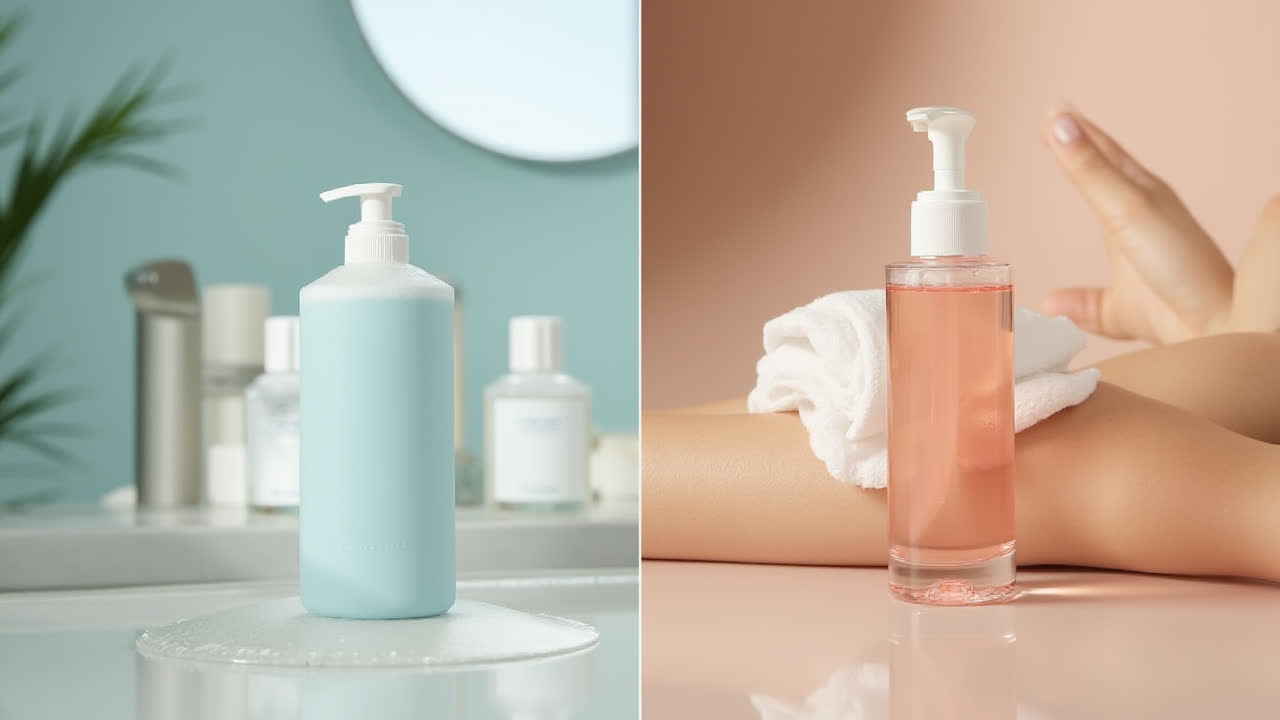
The main difference is straightforward: cleansers remove dirt, makeup, and impurities from your skin, while toners balance your skin's pH, tighten pores, and provide additional cleansing benefits. Think of cleanser as the workhorse that does the heavy lifting, and toner as the sophisticated assistant that refines and perfects the job.
I've spent years experimenting with various skincare products, and I've learned that using both cleanser and toner makes a noticeable difference in my skin's appearance and health. Let's dive deeper into how these products work and why they both deserve a spot in your daily routine.
What Is a Cleanser and What Does It Do?
A cleanser is a skincare product specifically designed to remove dirt, oil, makeup, dead skin cells, and environmental pollutants from your skin. It's the foundation of any skincare routine, comparable to washing your hands before eating—it's simply non-negotiable if you want healthy skin. Even if you don't wear makeup, your skin collects countless impurities throughout the day that need to be removed.
Have you ever gone to bed without washing your face and woken up with a breakout? That's because those accumulated oils and particles can clog your pores overnight. A good cleanser works by breaking down these substances so they can be washed away, leaving your skin fresh and prepared for the next steps in your routine.
Cleansers come in various formulations to address different skin types and concerns. Gel cleansers, with their light, refreshing texture, work wonders for oily and combination skin by removing excess sebum without stripping the skin. Cream cleansers, on the other hand, provide gentle cleansing with added moisturizing benefits, making them ideal for dry or sensitive skin types that need extra hydration.
Foam cleansers create a rich, bubbly lather that deeply cleanses the skin and effectively removes oils. These are particularly beneficial for those with combination skin who need balanced cleansing. For those who prefer a multitasking option, micellar waters use tiny oil molecules suspended in soft water to attract dirt and makeup like magnets—no rinsing required.
The right cleanser for you depends entirely on your skin type and personal preferences. Someone with oily, acne-prone skin might benefit from a gel cleanser containing salicylic acid to help control breakouts, while someone with mature skin might prefer a cream cleanser with hydrating ingredients to combat dryness and fine lines. The key is finding a cleanser that effectively cleans your skin without leaving it feeling tight, dry, or irritated.
What Is a Toner and Why Should You Use It?
Toner is the skincare step that many people skip, not realizing its important benefits. A toner is a water-based liquid that quickly penetrates the skin to provide hydration while removing any remaining traces of dirt or cleanser residue. Modern toners have evolved significantly from the harsh, alcohol-based astringents of the past that would strip your skin and leave it feeling tight and dry.
The primary function of a facial toner is to balance your skin's pH level. Our skin naturally maintains a slightly acidic pH (around 5.5), but cleansers—especially alkaline soaps—can disrupt this balance. A good toner helps restore this optimal pH, which strengthens your skin barrier and helps prevent moisture loss and irritation.
Beyond pH balancing, toners offer additional benefits depending on their formulation. Some toners contain exfoliating ingredients like glycolic or lactic acid that help remove dead skin cells and improve texture. Others include anti-inflammatory ingredients like chamomile or aloe vera to soothe redness and irritation. Hydrating toners with ingredients like hyaluronic acid or glycerin can provide an extra boost of moisture before you apply serums or moisturizers.
There are several ways to apply toner. The traditional method involves saturating a cotton pad and gently swiping it across your face. However, many people now prefer the "patting" method—pouring a small amount into clean hands and pressing it directly onto the skin—which reduces waste and allows for better absorption. For a refreshing boost, some toners come in spray bottles that let you mist your face for instant hydration throughout the day.
While not absolutely essential for everyone, toners can be particularly beneficial for specific skin concerns. Those with oily or acne-prone skin might find that toners with witch hazel or tea tree oil help control excess sebum and prevent breakouts. People with dry or sensitive skin might benefit from alcohol-free, hydrating toners that add moisture without irritation. If you're battling the signs of aging, look for toners with antioxidants and peptides that help protect and repair the skin.
Cleanser vs Toner: Key Differences Explained
| Feature | Cleanser | Toner |
|---|---|---|
| Primary Purpose | Removes dirt, oil, makeup, and impurities | Balances skin pH and provides additional cleansing |
| When to Use | Morning and evening as the first step | After cleansing, before serums and moisturizers |
| Texture/Consistency | Varies: gel, cream, foam, oil, balm | Liquid, usually water-based |
| Application Method | Massage onto skin, then rinse (most types) | Apply with cotton pad or pat directly with hands |
| Benefits for Oily Skin | Removes excess sebum and prevents clogged pores | Controls oil production and tightens pores |
| Benefits for Dry Skin | Gentle cleaning without stripping natural oils | Adds hydration and prepares skin for moisturizer |
| Optional or Essential | Essential for all skin types | Beneficial but optional depending on skin needs |
| Key Ingredients to Look For | Surfactants, glycerin, ceramides, oils | Hydrating agents, botanical extracts, mild acids |
How to Incorporate Both Into Your Skincare Routine
Creating an effective skincare routine isn't just about having the right products—it's about using them in the correct order to maximize their benefits. The general rule is to apply products from thinnest to thickest consistency, which is why toner follows cleanser in a standard routine. But let's break down exactly how and when to use each product for optimal results.
Start your routine, both morning and evening, with a cleanser appropriate for your skin type. Take about a dime-sized amount of product and massage it onto damp skin using gentle, circular motions for 30-60 seconds. This gives the cleanser enough time to break down dirt and oil effectively. Rinse thoroughly with lukewarm water—never hot, as high temperatures can strip your skin of its natural oils and cause irritation. Pat your face dry with a clean towel; don't rub, as this can irritate your skin.
Once your face is clean but still slightly damp, it's the perfect time to apply toner. If using a cotton pad, saturate it with toner and gently sweep across your face, avoiding the eye area. Start from the center of your face and move outward. If you prefer the patting method, pour a small amount into your palms and press gently into your skin. Allow the toner to absorb for about 30 seconds before moving on to the next step in your routine.
For those with specific skin concerns, you might consider a targeted approach. In the morning, focus on protection—use a gentle cleanser followed by a hydrating or antioxidant-rich toner to prepare your skin for daily environmental stressors. In the evening, your routine can be more treatment-oriented—consider a more thorough cleanse, perhaps even double cleansing if you wear makeup or sunscreen, followed by a toner with active ingredients that work overnight to address concerns like aging or uneven texture.
I've found that listening to my skin's changing needs has been crucial. Sometimes, especially during winter months when my skin feels drier, I'll opt for a creamier cleanser and a more hydrating toner. During summer, when my T-zone gets oilier, I switch to a gel cleanser and a balancing toner with witch hazel. Your skincare routine should be flexible enough to adapt to your skin's changing needs, whether due to seasons, hormones, or other factors.
Common Mistakes to Avoid With Cleansers and Toners
Even with the best products, improper use can prevent you from seeing the results you want. One common mistake is over-cleansing—washing your face too frequently or using a cleanser that's too harsh for your skin type. This can strip away natural oils, leading to dehydration, irritation, and even increased oil production as your skin tries to compensate. Unless you have extremely oily skin, most people only need to cleanse twice daily.
Another frequent error is using water that's too hot. Hot water might feel good, especially during cold weather, but it can damage your skin barrier by removing essential oils. Always opt for lukewarm water when cleansing your face. Similarly, avoid aggressive scrubbing or using rough washcloths that can cause micro-tears in the skin's surface.
When it comes to toners, a major mistake is choosing products containing high concentrations of alcohol, which can severely dry out your skin. While these might provide a temporary "tight" feeling that some mistake for cleanliness, they're actually damaging your skin barrier over time. Modern toners should hydrate and balance, not strip and dry.
Applying toner incorrectly can also reduce its effectiveness. Using too much product wastes your toner and doesn't improve results. A few drops or a light misting is usually sufficient. Additionally, waiting too long after cleansing to apply toner can make it less effective—toner works best on slightly damp skin when pores are more receptive to its benefits.
Perhaps the biggest mistake of all is not customizing your products to your specific skin type and concerns. What works for your friend or a social media influencer might not be right for you. Take time to understand your skin's unique needs—whether it's excess oil, dryness, sensitivity, or aging concerns—and choose products specifically formulated to address those issues.
Which Product Is Right for Your Skin Type?
Navigating the world of skincare products can feel overwhelming, but understanding your skin type makes the process much simpler. For those with oily skin, look for gel or foam cleansers that contain ingredients like salicylic acid or tea tree oil to help control excess sebum. Follow with a toner containing witch hazel or niacinamide, which can help regulate oil production and minimize the appearance of pores without over-drying.
If you have dry skin, cream or oil-based cleansers are your allies. These formulations clean effectively while preserving your skin's natural moisture barrier. Ingredients like hyaluronic acid, glycerin, and ceramides help maintain hydration. Your toner should also focus on hydration—look for alcohol-free formulas containing rose water, glycerin, or hyaluronic acid that add moisture rather than remove it.
Those with combination skin face the challenge of addressing different concerns in different areas of the face. A balanced approach works best: consider a gentle foaming cleanser that removes excess oil without stripping moisture, followed by a balancing toner. You might even benefit from multi-masking or using different products on different areas of your face.
For sensitive skin, gentle is the keyword. Choose fragrance-free, hypoallergenic cleansers with minimal ingredients to reduce the risk of irritation. Micellar water can be an excellent option for sensitive skin types. Follow with a soothing toner containing ingredients like aloe vera, chamomile, or centella asiatica (also known as cica) to calm and reduce redness.
If you're dealing with mature skin or anti-aging concerns, look for cleansers with hydrating ingredients and antioxidants. Avoid anything too stripping, as mature skin tends to be drier. Your toner should contain ingredients that support collagen production and cellular turnover—look for peptides, niacinamide, or gentle exfoliating acids like lactic acid at low concentrations.
Remember that your skin's needs may change with seasons, hormonal fluctuations, or age. What worked for you a year ago might not be ideal now. Pay attention to how your skin responds to products and be willing to adjust your routine accordingly. Sometimes less is more—if your current routine is working well, don't feel pressured to add more products just because they're trendy.
Frequently Asked Questions About Cleansers and Toners
Can I skip toner if I use a good cleanser?
While cleanser is considered essential for all skin types, toner falls into the "beneficial but optional" category. If you're using a pH-balanced cleanser and your skin feels good without toner, you might be able to skip this step. However, toners provide additional benefits beyond what cleansers offer, including extra hydration, pore refinement, and targeted treatment for specific skin concerns. Many people find that adding a toner improves their overall skin texture and appearance, especially those with oily, combination, or acne-prone skin. If you're new to toners, try incorporating one into your routine for a few weeks to see if you notice positive changes in your skin.
How often should I use cleanser and toner?
Most dermatologists recommend cleansing your face twice daily—once in the morning and once in the evening. However, if you have very dry or sensitive skin, you might benefit from simply rinsing with water in the morning and using cleanser only in the evening. Toner is typically used after each cleansing session, so also twice daily for most people. If you're using a toner with active ingredients like exfoliating acids, you might want to start with once-daily application and gradually increase as your skin builds tolerance. Listen to your skin—if it feels tight, dry, or irritated, you might be cleansing or toning too frequently or using products that are too harsh for your skin type.
Are natural or organic cleansers and toners better for the skin?
Natural or organic isn't necessarily better or worse—what matters most is finding products with ingredients that work well for your specific skin type and concerns. Some natural ingredients like tea tree oil, aloe vera, and chamomile have well-documented skincare benefits. However, natural products can still cause irritation or allergic reactions, especially if they contain essential oils or plant extracts that you're sensitive to. Conversely, some synthetic ingredients have been extensively tested for safety and efficacy. The best approach is to focus on the specific ingredients and their effects rather than whether a product is labeled as natural or not. Always patch test new products, regardless of their origin, and pay attention to how your skin responds.
Conclusion: Creating Your Perfect Skincare Routine
Understanding the difference between cleanser and toner is just the beginning of creating an effective skincare routine. While cleansers remove impurities and prepare your skin for subsequent products, toners balance your skin's pH and provide additional benefits tailored to your specific concerns. Together, they create a powerful foundation for the rest of your skincare regimen.
The perfect routine doesn't necessarily mean using the most expensive products or following complicated multi-step systems. Instead, it's about consistency and choosing products that address your unique skin needs. Start with the basics—a good cleanser and, if beneficial for your skin type, a complementary toner—before adding more specialized treatments like serums or exfoliants.
Remember that skincare is highly individual. What works wonders for one person might cause problems for another. Don't be afraid to experiment (cautiously) with different products and adjust your routine based on how your skin responds. Pay attention to seasonal changes, hormonal fluctuations, and lifestyle factors that might affect your skin's needs.
Ultimately, the goal is healthy, comfortable skin that you feel confident in. Whether that means a minimalist routine with just a few carefully selected products or a more elaborate regimen with specialized treatments, the right approach is the one that works for you. By understanding the role each product plays in your routine, you can make informed choices that support your skin's health and appearance for years to come.