Autophagy vs Heterophagy: Key Differences in Cellular Recycling
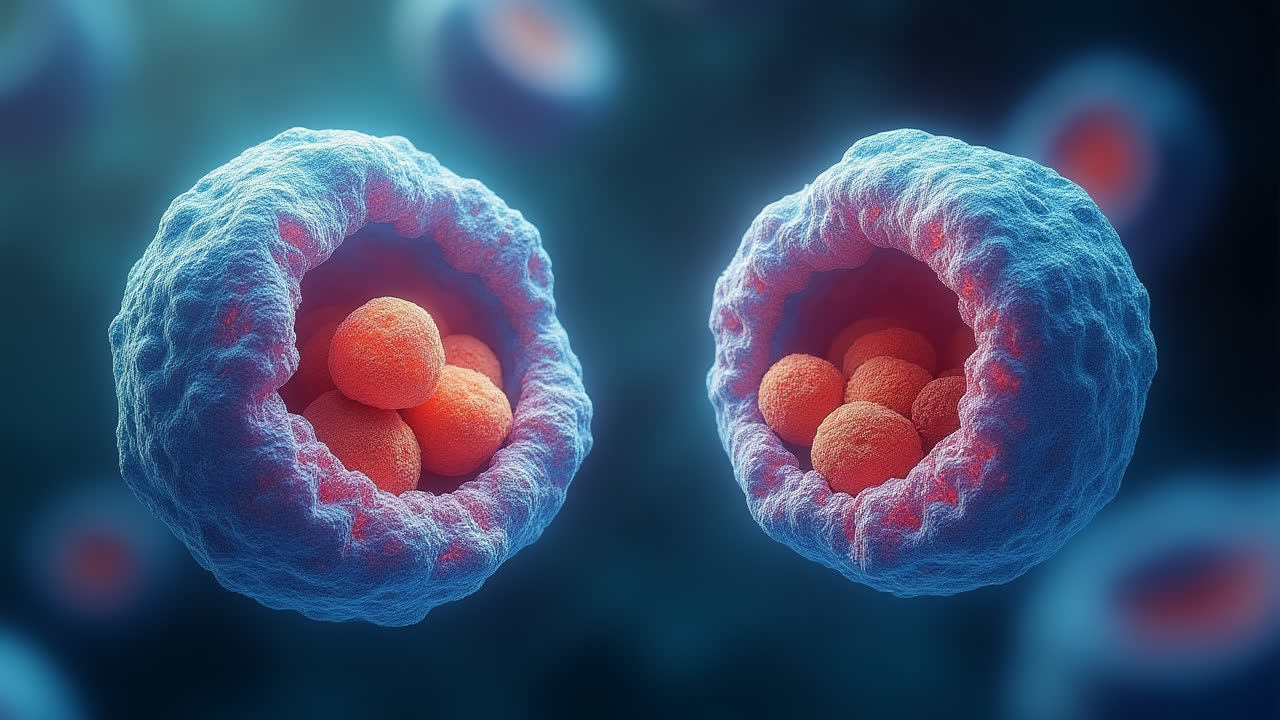
Autophagy vs Heterophagy: Understanding Cellular Recycling Processes
Have you ever wondered how our cells manage their waste and recycle materials? Our bodies have fascinatingly complex systems for maintaining cellular health. At the heart of these systems are two critical processes: autophagy and heterophagy. While both involve breaking down materials within cells, they differ fundamentally in what they target and how they operate. Understanding these differences isn't just academic—it has profound implications for health, disease treatment, and even longevity.
When cells need to break down components, they can either "eat themselves" (autophagy) or consume external materials (heterophagy). These processes might sound similar, but they serve distinct purposes in cellular function and overall health maintenance. Let's dive into these cellular cleanup crews and explore what makes them unique.
What is Autophagy? The Cell's Self-Recycling Process
Autophagy (from Greek words meaning "self-eating") is a remarkable cellular process where cells break down and recycle their own components. Think of it as the ultimate spring cleaning for your cells—removing damaged proteins, worn-out organelles, and other cellular junk that might otherwise accumulate and cause problems. The term was coined by Belgian biochemist Christian de Duve, who discovered lysosomes and later won a Nobel Prize for his work.
The process begins with the formation of a unique membrane structure called a phagophore or isolation membrane. This structure elongates and wraps around targeted cellular components, creating a double-membraned vesicle called an autophagosome. I've always found it fascinating how selective this process can be—cells can target specific organelles like damaged mitochondria (in a process called mitophagy) or invading bacteria (xenophagy). It's like having a smart waste management system that knows exactly what needs to go!
Once the autophagosome forms, it fuses with lysosomes (cellular organelles containing digestive enzymes), creating an autolysosome. Within this structure, the captured materials are broken down into their basic building blocks—amino acids, fatty acids, and sugars. The cell then recycles these components to build new proteins and structures or uses them for energy production. It's an incredibly efficient recycling system that helps maintain cellular health and function.
Autophagy isn't just important for routine cellular maintenance—it's crucial during times of stress. When nutrients are scarce, autophagic processes ramp up, allowing cells to break down non-essential components to provide energy and building materials to maintain critical functions. This cellular adaptation has been crucial throughout evolution, helping organisms survive periods of famine or environmental stress. Some researchers believe this is why caloric restriction and intermittent fasting might have health benefits—they trigger autophagy, promoting cellular renewal.
What is Heterophagy? Digesting External Materials
While autophagy focuses on recycling internal components, heterophagy (also called phagocytosis) involves cells engulfing and digesting materials from outside the cell. The term comes from Greek words meaning "different eating," highlighting that the cell is consuming external rather than self-derived materials. This process is particularly important for immune function and nutrient acquisition in various organisms.
Heterophagy begins when specialized cells recognize external particles, microorganisms, or debris through surface receptors. These receptors trigger the cell membrane to extend pseudopodia (arm-like projections) that surround and engulf the target material. The result is a phagosome—a vesicle containing the ingested material now inside the cell. Just yesterday, I was watching a microscope video of a macrophage (a type of white blood cell) chasing down and engulfing bacteria, and it was absolutely mesmerizing—like a cellular version of Pac-Man!
Similar to autophagy, the phagosome then fuses with lysosomes to form a phagolysosome. The lysosomal enzymes break down the captured material, which might include pathogens, dead cells, or other particles. In immune cells, this process is essential for destroying harmful microorganisms and presenting fragments of them (antigens) to other immune cells, coordinating a broader immune response. It's not just about waste disposal—it's a sophisticated communication system.
Heterophagy isn't limited to immune functions. Some single-celled organisms use heterophagy as their primary method of obtaining nutrients. Even in humans, certain cells like those lining the intestines can use a form of heterophagy to absorb nutrients from digested food. The versatility of this process across different organisms and cell types shows just how fundamental it is to cellular life.
Key Differences Between Autophagy and Heterophagy
While both autophagy and heterophagy serve important roles in cellular maintenance and function, they differ in several fundamental ways. Understanding these differences helps clarify their unique contributions to cellular health and their distinct roles in disease processes.
The most obvious distinction lies in what each process targets. Autophagy focuses on internal components—damaged organelles, misfolded proteins, and other cellular debris. In contrast, heterophagy targets external materials—bacteria, viruses, dead cells, and environmental particles. This difference in targets reflects their complementary roles in maintaining cellular and organismal health.
Their mechanisms also differ significantly. Autophagy involves forming a unique double-membraned structure (the autophagosome) around targeted components, while heterophagy uses extensions of the cell membrane (pseudopodia) to engulf external materials. These distinct mechanisms have evolved to efficiently handle their respective targets. I remember a professor once comparing autophagy to "bagging your own trash" and heterophagy to "picking up litter"—a simplistic but helpful analogy!
Comparison Table of Autophagy vs Heterophagy
| Feature | Autophagy | Heterophagy |
|---|---|---|
| Definition | Self-degradation and recycling of cellular components | Engulfment and digestion of external materials |
| Primary Purpose | Cellular homeostasis, adaptation to stress, removing damaged components | Defense against pathogens, nutrient acquisition, clearance of debris |
| Mechanism | Formation of double-membraned autophagosomes | Phagocytosis through cell membrane extensions (pseudopodia) |
| Vesicle Type | Autophagosome → Autolysosome | Phagosome → Phagolysosome |
| Regulation | Controlled by autophagy-related genes (ATGs) and nutrient-sensing pathways | Triggered by receptor recognition of external materials |
| Primary Cell Types | Nearly all eukaryotic cells | Specialized cells (macrophages, neutrophils, dendritic cells) |
| Role in Disease | Dysfunction linked to neurodegenerative disorders, cancer, and aging | Defects associated with immunodeficiency and chronic inflammation |
| Evolutionary Conservation | Highly conserved from yeast to mammals | Primarily developed in multicellular organisms |
Roles in Health and Disease
Both autophagy and heterophagy play crucial roles in maintaining health and can contribute to disease when dysregulated. Their importance extends far beyond basic cellular functions, influencing everything from immunity to aging and neurodegeneration.
Autophagy has gained significant attention for its role in various diseases. Defects in autophagy have been linked to neurodegenerative conditions like Alzheimer's, Parkinson's, and Huntington's diseases, where the accumulation of protein aggregates contributes to neuronal dysfunction and death. The connection makes sense—if the cell's self-cleaning mechanism falters, cellular "trash" accumulates, causing problems. I had a grandparent with Parkinson's, and learning about these connections has helped me appreciate just how complex these conditions really are.
Cancer presents a more complicated relationship with autophagy. In some contexts, autophagy acts as a tumor suppressor by removing damaged organelles that might otherwise cause mutations or cellular dysfunction. However, established tumors can hijack autophagy to survive in nutrient-poor or stressful environments. This dual role makes targeting autophagy a challenging but promising approach in cancer treatment.
Heterophagy, particularly as it relates to immune function, plays a central role in defending against infections and maintaining tissue health. Defects in phagocytosis can lead to recurring infections, chronic inflammation, and autoimmune disorders. In conditions like chronic granulomatous disease, immune cells cannot effectively kill ingested pathogens, leading to severe recurrent infections.
Both processes also change with aging. Autophagy efficiency typically declines with age, potentially contributing to the accumulation of cellular damage characteristic of aging tissues. Similarly, phagocytic cells may become less efficient at recognizing and clearing pathogens or cellular debris. Some longevity researchers speculate that interventions to maintain or enhance these cellular processes might help extend healthy lifespan—a fascinating frontier in aging research.
Similarities Between Autophagy and Heterophagy
Despite their differences, autophagy and heterophagy share several important features. Both processes ultimately rely on lysosomes—specialized organelles containing digestive enzymes—to break down their cargo. This common endpoint reflects the evolutionary conservation of cellular degradation mechanisms.
Both processes are also responsive to cellular and environmental conditions. They can be upregulated during stress or nutrient limitation, though the specific signals and pathways may differ. This adaptability allows cells to respond appropriately to changing conditions, prioritizing either self-maintenance or defense against external threats as needed.
Interestingly, there's growing evidence of crosstalk between these pathways. For instance, autophagy machinery can sometimes be recruited to enhance the destruction of pathogens captured through phagocytosis, in a process termed LC3-associated phagocytosis (LAP). This interaction highlights the sophisticated coordination between different cellular processes.
Both autophagy and heterophagy also play important roles in development and tissue remodeling. During embryonic development, autophagy helps remove unnecessary structures and cells, while heterophagy clears apoptotic cells, preventing inflammation and tissue damage. These complementary functions ensure proper tissue architecture and function throughout life.
Research and Therapeutic Implications
The growing understanding of autophagy and heterophagy has opened exciting avenues for therapeutic interventions. Researchers are exploring ways to modulate these processes to treat various conditions, from neurodegenerative diseases to cancer and infections. The 2016 Nobel Prize in Medicine awarded to Yoshinori Ohsumi for his discoveries of autophagy mechanisms underscores the field's importance.
For neurodegenerative diseases, enhancing autophagy might help clear protein aggregates that contribute to neuronal damage. Compounds like rapamycin, which inhibits mTOR (a negative regulator of autophagy), have shown promise in animal models of these conditions. However, translating these findings to humans presents challenges due to the complexity of the brain and potential side effects of broadly altering cellular processes.
In cancer treatment, both inhibiting and enhancing autophagy are being explored, depending on the cancer type and stage. For established tumors that rely on autophagy for survival, autophagy inhibitors might enhance the effectiveness of chemotherapy. Conversely, in early cancer development, promoting autophagy might help prevent the accumulation of damaged cellular components that could lead to malignant transformation.
For immune-related conditions, enhancing phagocytosis might improve the clearance of pathogens or cellular debris. Conversely, modulating excessive phagocytosis might help manage certain inflammatory or autoimmune conditions. The challenge lies in targeting these interventions specifically to affected tissues or cell types without disrupting normal functions elsewhere.
Beyond traditional drug approaches, lifestyle interventions like exercise and certain dietary patterns may influence these cellular processes. Intermittent fasting, for instance, has been shown to induce autophagy in various tissues. While more research is needed to fully understand the clinical implications, these accessible interventions offer intriguing possibilities for supporting cellular health throughout life.
Frequently Asked Questions
How does autophagy benefit overall health?
Autophagy offers numerous health benefits by maintaining cellular quality control. It removes damaged organelles, misfolded proteins, and potentially harmful aggregates that might otherwise accumulate and cause cellular dysfunction. This "cellular housekeeping" helps prevent various diseases, including neurodegenerative conditions and certain cancers. Additionally, autophagy provides energy and building blocks during nutrient limitation, helping cells adapt to changing conditions. Some research suggests that autophagy may play a role in longevity, with various interventions that extend lifespan in model organisms often enhancing autophagic processes. Regular exercise and certain dietary patterns, including intermittent fasting, may naturally stimulate autophagy, potentially contributing to their health benefits.
Can heterophagy and autophagy work together?
Yes, heterophagy and autophagy can work together and often do, particularly in immune responses. One notable example is LC3-associated phagocytosis (LAP), where components of the autophagy machinery are recruited to enhance the processing of phagosomes containing pathogens or dead cells. This collaboration improves the efficiency of pathogen destruction and antigen presentation. In some cases, autophagy can also target intracellular pathogens that have escaped from phagosomes, providing a backup defense mechanism. These interactions highlight the sophisticated coordination between different cellular degradation pathways. Research suggests that maintaining the proper function of both systems may be particularly important for preventing inflammatory diseases and supporting healthy aging.
What happens when autophagy or heterophagy becomes dysfunctional?
Dysfunction in either autophagy or heterophagy can have serious health consequences. When autophagy fails, cells accumulate damaged proteins and organelles, which can lead to cellular stress and eventual cell death. This dysfunction has been implicated in neurodegenerative diseases like Alzheimer's, Parkinson's, and Huntington's, where protein aggregates accumulate in neurons. Autophagy dysfunction also plays complex roles in cancer, sometimes promoting tumor growth and other times suppressing it. When heterophagy becomes impaired, particularly in immune cells, the body's ability to clear pathogens and cellular debris diminishes. This can result in increased susceptibility to infections, chronic inflammation, and autoimmune disorders. Both processes tend to decline with aging, potentially contributing to age-related diseases and general functional decline.
Conclusion
The distinction between autophagy and heterophagy represents just one fascinating aspect of cellular biology, yet it offers profound insights into how cells maintain their integrity and respond to their environment. These complementary processes—one focused inward, the other outward—ensure that cells can effectively manage both internal and external challenges.
As research in these areas continues to evolve, our understanding of these fundamental cellular processes deepens, opening new possibilities for therapeutic interventions. From neurodegenerative diseases to cancer and beyond, modulating autophagy and heterophagy holds promise for addressing some of our most challenging health conditions.
Perhaps most intriguingly, simple lifestyle factors like exercise, sleep quality, and dietary patterns may influence these cellular processes, potentially offering accessible ways to support cellular health throughout life. While the science continues to develop, the growing appreciation for these cellular recycling systems highlights just how sophisticated our cells truly are—constantly working to maintain balance and function in an ever-changing environment.