Acrylamide vs Bisacrylamide: Key Differences, Properties, and Applications
Understanding Acrylamide and Bisacrylamide
In the world of polymer chemistry, acrylamide and bisacrylamide stand as crucial compounds with distinctive properties and applications. These amide-containing organic compounds play vital roles in various industrial processes and laboratory techniques, particularly in gel electrophoresis and polymer production. While they share some chemical similarities, their structural differences lead to significantly different behaviors and uses in practical applications.
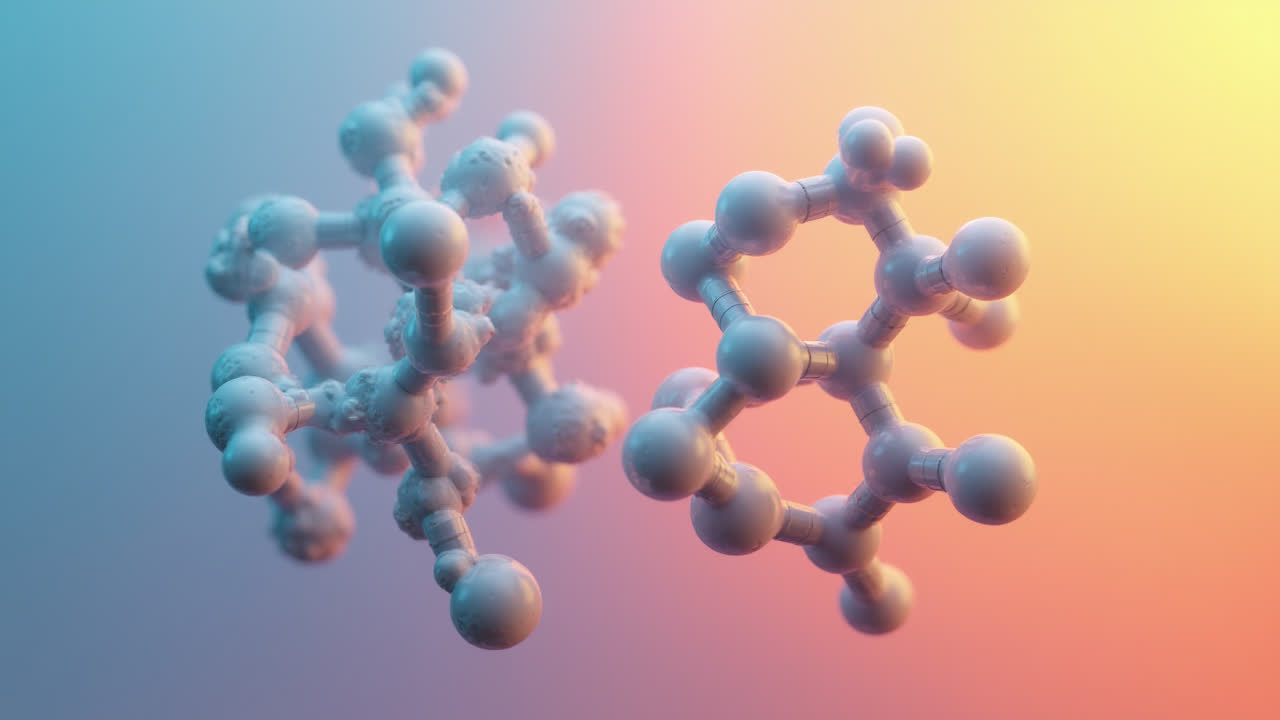
Acrylamide, with the chemical formula C₃H₅NO, is a relatively simple amide compound also known as prop-2-enamide in IUPAC nomenclature. This white, odorless crystalline solid serves as the fundamental building block in the creation of polyacrylamide polymers. On the other hand, bisacrylamide (N,N'-methylenebisacrylamide) features a more complex structure with the formula C₇H₁₀N₂O₂ and contains two acrylamide units connected by a methylene bridge, creating its characteristic N-C-N bonding arrangement.
What makes these compounds particularly interesting to chemists and biochemists? For starters, their unique chemical structures allow them to participate in polymerization reactions that create networks essential for applications ranging from water treatment to molecular biology techniques. Understanding the fundamental differences between these compounds helps scientists leverage their properties effectively for various technical and industrial purposes.
Chemical Structure and Properties of Acrylamide
Acrylamide (C₃H₅NO) presents a relatively straightforward chemical structure consisting of an amide group (-CONH₂) attached to a vinyl group (CH₂=CH-). This arrangement creates the characteristic C-N bond that defines its molecular identity. At room temperature, acrylamide appears as a white crystalline solid without any discernible odor. One of its notable physical properties is its high solubility in water and other polar solvents, making it particularly useful in aqueous reaction environments.
With a molar mass of 71.08 g/mol, acrylamide exhibits a melting point of approximately 84.5°C. Interestingly, rather than boiling when heated to high temperatures, this compound undergoes decomposition. This thermal instability is an important consideration when working with acrylamide in laboratory or industrial settings. The compound also experiences non-thermal decomposition when exposed to acids, bases, oxidizing agents, or iron, producing ammonia as a byproduct. During thermal decomposition, acrylamide breaks down to form carbon monoxide, carbon dioxide, and various nitrogen oxides.
The production of acrylamide typically involves the hydration of acrylonitrile (CH₂=CHCN), a reaction that can be expressed as:
CH₂=CHCN + H₂O → CH₂=CHCONH₂
This reaction generally employs reduced copper (Cu⁺) as a catalyst, though the yield tends to be somewhat limited. The manufacturing process faces several challenges, including the need for high temperatures, non-recyclable catalysts, and unwanted polymerization that reduces overall yield. Modern production methods often utilize immobilized nitrile hydratase to overcome these limitations and improve efficiency.
One of the most significant characteristics of acrylamide is its ability to undergo polymerization to form polyacrylamide. The repeating unit in this polymer is -CH₂CHCONH₂-, creating long chains that can be crosslinked to form network structures. These polymeric forms of acrylamide find extensive applications in various fields, particularly in gel electrophoresis for separating charged molecules in mixtures.
Chemical Structure and Properties of Bisacrylamide
Bisacrylamide, formally known as N,N'-methylenebisacrylamide, possesses a more complex molecular structure than its simpler counterpart. With the chemical formula C₇H₁₀N₂O₂, this compound features two acrylamide units connected by a methylene bridge, creating a distinctive N-C-N bonding arrangement. This structural characteristic makes bisacrylamide particularly valuable as a cross-linking agent in polymer chemistry.
At a molar mass of 154.17 g/mol, bisacrylamide contains two nitrogen atoms and two oxygen atoms within its chemical framework. Like acrylamide, it appears as a white crystalline powder at room temperature. However, its melting behavior differs—bisacrylamide melts with decomposition at approximately 185°C (365°F). Unlike acrylamide, bisacrylamide exhibits only slight solubility in water, which affects how it's used in various applications.
The name "bisacrylamide" directly reflects its composition as a combination of two acrylamide molecules linked together. This dual-acrylamide structure is the key to its functionality in polymerization processes. When combined with acrylamide monomers during polymerization, bisacrylamide forms crosslinks between polyacrylamide chains, creating a three-dimensional network structure rather than independent polymer chains.
This cross-linking capability is what makes bisacrylamide essential for many laboratory and industrial applications. During the polymerization process, the compound's dual reactive sites allow it to connect with multiple polyacrylamide chains simultaneously, effectively "tying" them together into a cohesive network. The degree of cross-linking can be carefully controlled by adjusting the ratio of bisacrylamide to acrylamide, allowing scientists to create gels with precisely tailored properties for specific applications.
In practical terms, the cross-linking provided by bisacrylamide is crucial for maintaining the structural integrity of polyacrylamide gels used in techniques like gel electrophoresis. Without this cross-linking agent, the polymer chains would remain separate and unable to form the semi-solid matrix needed for molecular separation. The resulting network structure also influences important physical properties such as gel strength, pore size, and elasticity—all of which can be fine-tuned for particular experimental requirements.
Key Differences Between Acrylamide and Bisacrylamide
The fundamental distinctions between acrylamide and bisacrylamide extend beyond their chemical formulas and structures. These differences directly influence their behavior, applications, and handling requirements in laboratory and industrial settings. Understanding these contrasts is essential for anyone working with these compounds in polymer chemistry or biochemical applications.
| Characteristic | Acrylamide | Bisacrylamide |
|---|---|---|
| Chemical Formula | C₃H₅NO | C₇H₁₀N₂O₂ |
| IUPAC Name | Prop-2-enamide | N,N'-methylenebisacrylamide |
| Molar Mass | 71.08 g/mol | 154.17 g/mol |
| Chemical Bonding | C-N bond | N-C-N bond |
| Amide Groups | One amide group | Two amide groups |
| Melting Point | 84.5°C (decomposes at high temperatures) | 185°C (365°F, melts with decomposition) |
| Water Solubility | Highly water-soluble | Slightly water-soluble |
| Primary Function | Monomer for polyacrylamide production | Cross-linking agent in polymerization |
Perhaps the most significant practical difference between these compounds lies in their functional roles during polymerization. Acrylamide serves primarily as the monomer—the basic building block that forms the backbone of polyacrylamide chains. In contrast, bisacrylamide acts as a cross-linking agent, connecting separate polymer chains to create a three-dimensional network structure.
This functional distinction has profound implications for how these compounds are used in practical applications. When creating polyacrylamide gels for electrophoresis, for example, the ratio of acrylamide to bisacrylamide directly determines the porosity and mechanical properties of the resulting gel. Higher concentrations of acrylamide produce denser gels with smaller pores, suitable for separating smaller molecules. Meanwhile, varying the bisacrylamide concentration affects the degree of cross-linking, influencing the gel's rigidity and handling characteristics.
Applications and Uses
Both acrylamide and bisacrylamide find extensive applications across various scientific and industrial domains, though their specific uses differ based on their unique properties. Their combined use in polyacrylamide gel formation represents one of the most important applications in modern biochemistry and molecular biology.
Applications of Acrylamide
As a versatile monomer, acrylamide serves numerous practical purposes across different industries. Its primary application lies in the production of polyacrylamide polymers, which are used extensively in water treatment facilities for flocculation and clarification processes. These polymers help remove suspended particles from water by causing them to clump together for easier removal. Additionally, acrylamide finds use as a binding and thickening agent in various industrial processes, including paper manufacturing and textile production.
In the construction industry, acrylamide derivatives play a role in cement formulations, enhancing certain properties of the final product. The compound also contributes to the production of contact lenses, adhesives, and soil conditioning agents. However, it's worth noting that acrylamide has gained public attention due to its formation in certain foods during high-temperature cooking processes, where it presents potential health concerns that have prompted ongoing research and regulatory scrutiny.
Applications of Bisacrylamide
Bisacrylamide's primary function as a cross-linking agent makes it indispensable in specific laboratory and industrial applications. Its most prominent use occurs in the preparation of polyacrylamide gels for protein separation techniques like gel electrophoresis. By creating crosslinks between polyacrylamide chains, bisacrylamide enables the formation of a molecular "sieve" with precisely controlled pore sizes that can separate proteins based on their molecular weights.
Beyond laboratory applications, bisacrylamide contributes to the production of specialty polymers with specific mechanical properties. The degree of cross-linking provided by bisacrylamide can be adjusted to create materials with varying levels of rigidity, elasticity, and porosity for applications ranging from medical devices to industrial filters. In some biomedical applications, bisacrylamide-cross-linked hydrogels serve as scaffolds for tissue engineering or controlled drug delivery systems.
The combination of acrylamide and bisacrylamide in polyacrylamide gel electrophoresis (PAGE) represents one of the most important analytical techniques in modern biochemistry and molecular biology. This method allows researchers to separate and analyze complex mixtures of proteins or nucleic acids with remarkable precision. By carefully controlling the ratio of acrylamide to bisacrylamide, scientists can tailor the gel's properties to optimize separation for specific molecular weight ranges, making it an invaluable tool in proteomic and genomic research.
Safety Considerations and Handling
Working with acrylamide and bisacrylamide requires careful attention to safety protocols due to their potential health hazards. Both compounds possess certain toxicological properties that necessitate proper handling techniques and protective measures in laboratory and industrial settings.
Acrylamide is classified as a potential carcinogen and neurotoxin that can be absorbed through the skin or inhaled as dust. Prolonged exposure may cause peripheral neuropathy, characterized by numbness in the limbs, muscle weakness, and impaired coordination. Additionally, acrylamide is known to be irritating to the eyes, respiratory system, and skin upon direct contact. These health concerns have prompted strict regulatory guidelines for occupational exposure limits in many countries.
Bisacrylamide shares similar health concerns, though it is generally considered slightly less hazardous than acrylamide. Nevertheless, it should be handled with appropriate precautions, including the use of personal protective equipment such as gloves, lab coats, and eye protection. Adequate ventilation is essential when working with either compound to minimize inhalation risks.
In laboratory settings, pre-made solutions or pre-cast gels are often preferred over working with powdered forms of these compounds, reducing exposure risks during preparation. When working with powder forms, handling should occur in a properly functioning fume hood to prevent inhalation of airborne particles. Additionally, proper disposal protocols must be followed for waste materials containing these compounds, typically involving polymerization to convert monomers to less hazardous polymer forms before disposal.
It's worth noting that while acrylamide has received public attention due to its formation in certain foods during high-temperature cooking, the exposure levels in properly handled laboratory samples typically present a much higher risk than dietary exposure. Nevertheless, the potential hazards associated with both compounds underscore the importance of following established safety guidelines and minimizing unnecessary exposure through proper laboratory techniques.
Frequently Asked Questions
Why is bisacrylamide used as a cross-linking agent rather than other compounds?
Bisacrylamide is preferred as a cross-linking agent because of its unique dual-acrylamide structure with two vinyl groups that can simultaneously participate in polymerization reactions. This molecular architecture allows it to form bridges between polyacrylamide chains, creating a three-dimensional network rather than linear polymers. The compound's chemical compatibility with acrylamide ensures efficient cross-linking during polymerization. Additionally, the resulting cross-linked gels offer excellent optical clarity, which is crucial for visualization in techniques like gel electrophoresis. The degree of cross-linking can also be precisely controlled by adjusting the bisacrylamide-to-acrylamide ratio, allowing researchers to tailor gel properties for specific applications.
How does the ratio of acrylamide to bisacrylamide affect polyacrylamide gel properties?
The acrylamide-to-bisacrylamide ratio significantly influences several key properties of polyacrylamide gels. Higher acrylamide concentrations create denser gels with smaller pore sizes, suitable for separating smaller molecules like peptides or nucleic acid fragments. Conversely, lower acrylamide concentrations produce gels with larger pores, better for separating larger proteins or DNA fragments. The bisacrylamide concentration directly affects the degree of cross-linking: higher amounts create more rigid, mechanically stable gels with reduced elasticity, while lower amounts result in more flexible gels with greater elasticity. Typically, standard ratios for protein electrophoresis range from 29:1 to 37.5:1 (acrylamide:bisacrylamide), but these can be adjusted based on specific experimental requirements.
Can acrylamide function as a cross-linking agent in the absence of bisacrylamide?
Acrylamide alone cannot function effectively as a cross-linking agent because it possesses only one vinyl group per molecule, limiting it to forming linear polymer chains rather than network structures. Without bisacrylamide or another cross-linking agent, polyacrylamide would form as long, independent chains with no chemical bonds between them, resulting in a material with poor mechanical stability and unsuitable for applications like gel electrophoresis. The absence of cross-linking would create a gel-like material that easily deforms and lacks the defined pore structure necessary for molecular separation. In some specialized applications, other cross-linking agents such as N,N'-diallyltartardiamide (DATD) or ethylene diacrylate can substitute for bisacrylamide, but each provides different properties to the resulting gel.
Conclusion
The distinct chemical properties and structural differences between acrylamide and bisacrylamide underscore their complementary roles in polymer chemistry. While acrylamide serves as the fundamental building block for polyacrylamide chains, bisacrylamide provides the essential cross-linking function that creates three-dimensional network structures. This relationship exemplifies how relatively simple organic compounds can work together to create materials with sophisticated properties and applications.
Understanding the chemistry behind these compounds has enabled scientists to develop precise control over gel properties for applications ranging from analytical biochemistry to industrial water treatment. By manipulating the ratio of acrylamide to bisacrylamide, researchers can tailor polyacrylamide gels with specific porosity, rigidity, and molecular sieving characteristics for particular experimental requirements.
Despite their utility, the potential health hazards associated with these compounds necessitate careful handling and appropriate safety measures in laboratory and industrial settings. Awareness of these risks, combined with proper protocols, ensures that the benefits of these versatile compounds can be leveraged safely and effectively across various scientific and industrial applications.
As research in polymer science continues to advance, the fundamental understanding of compounds like acrylamide and bisacrylamide provides a foundation for developing new materials with enhanced properties and expanded applications. Whether in traditional uses like electrophoresis or emerging fields like tissue engineering, these compounds remain important tools in the modern scientist's arsenal.